• LinkedIn
  • X
  • Facebook
  • Instagram
  • Reddit
  • Spotify
  • RSS Feed
  • News
  • Notices
  • Blog
    • Ask Annie
    • Spill the Char
    • Expert Profiles
  • Videos
  • Use Cases
    • Agriculture
    • Horticulture
    • Livestock
    • Landscaping
    • Building Materials
    • Concrete / Asphalt
    • Reforestation
    • Soil Remediation
    • Water Treatment
    • Carbon Sequestration
  • The Biochar Show
  • Store
  • About
    • Partner Directory
    • Editorial Guidelines
    • Contact

bioavailability

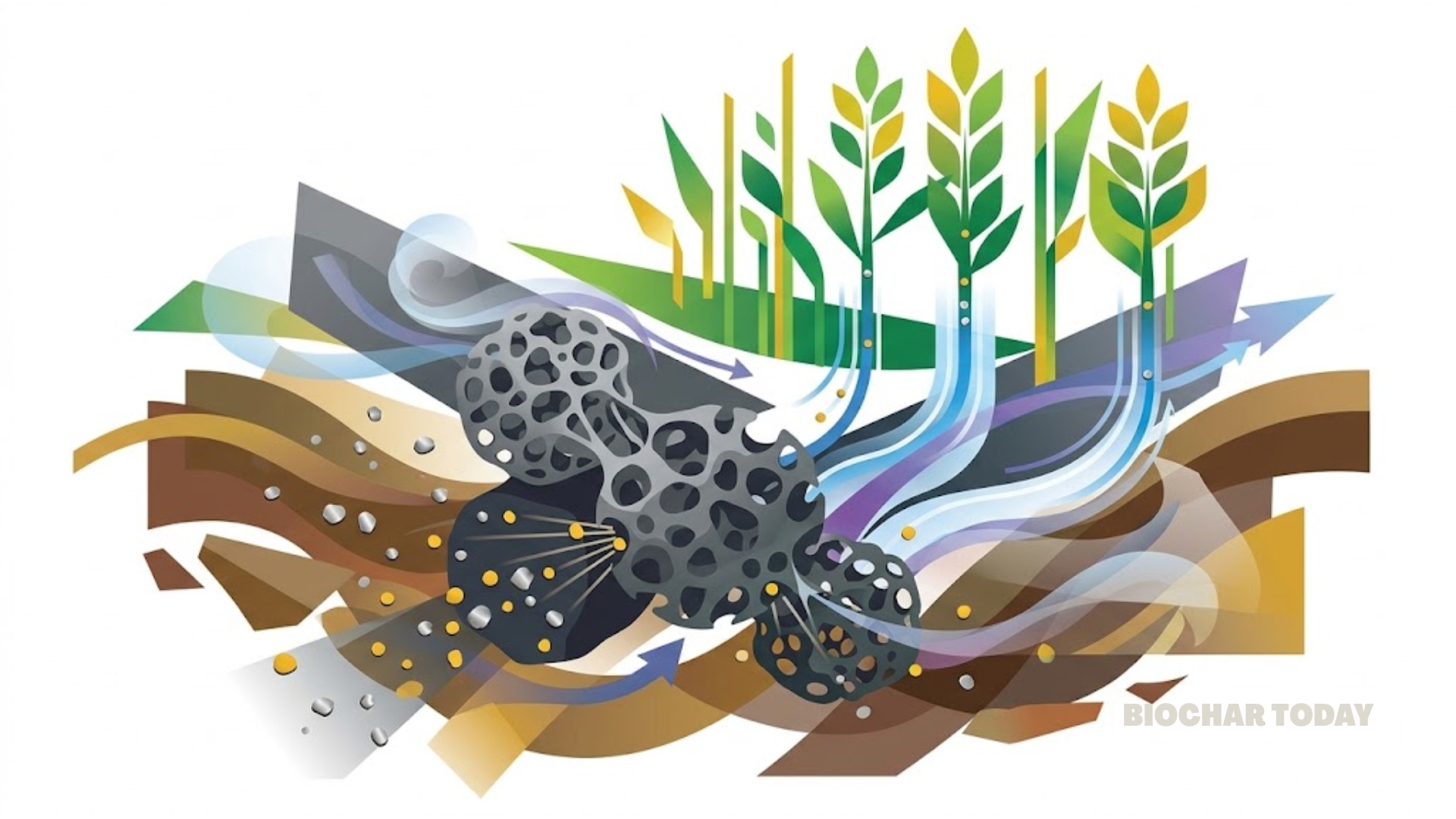
  • Biochar Application Reduces Wheat Cadmium Uptake by Up to 46 Percent Within the Microscopic Charosphere Zone

    Biochar Application Reduces Wheat Cadmium Uptake by Up to 46 Percent Within the Microscopic Charosphere Zone

  • High-Dosage Biochar Application Reduces Soil Heavy Metal Bioavailability by up to 91 Percent While Tripling Carbon Sequestration Efficiency

    High-Dosage Biochar Application Reduces Soil Heavy Metal Bioavailability by up to 91 Percent While Tripling Carbon Sequestration Efficiency

  • P-Modified Biochar Cuts Heavy Metals in Maize by Up to 61.82%, Driven by Nutrient Shifts, Not Toxin Lockdown

    P-Modified Biochar Cuts Heavy Metals in Maize by Up to 61.82%, Driven by Nutrient Shifts, Not Toxin Lockdown

  • Walnut and Almond Hull Biochars Slash Soil Zinc Bioavailability by Up To 41.2% in Contaminated Calcareous Soil

    Walnut and Almond Hull Biochars Slash Soil Zinc Bioavailability by Up To 41.2% in Contaminated Calcareous Soil

  • Biochar-Phytoremediation Increases Heavy Metal Removal by 40% and Boosts Sunflower Growth by 24% in Contaminated Soils

    Biochar-Phytoremediation Increases Heavy Metal Removal by 40% and Boosts Sunflower Growth by 24% in Contaminated Soils

  • Pyrolysis Temperature of Biochar at 750∘C Leads to 34.97% Increase in Acid-Soluble Zinc After Freeze-Thaw Aging, Challenging Heavy Metals Stability

    Pyrolysis Temperature of Biochar at 750∘C Leads to 34.97% Increase in Acid-Soluble Zinc After Freeze-Thaw Aging, Challenging Heavy Metals Stability

  • Exploring the Effects of Nanoscale Zero-Valent Iron Loaded Biochar on Soil-Plant Systems

    Exploring the Effects of Nanoscale Zero-Valent Iron Loaded Biochar on Soil-Plant Systems

  • Understanding the Risk of Sulfamethoxazole in Biochar-Soil Systems

    Understanding the Risk of Sulfamethoxazole in Biochar-Soil Systems

  • Unlocking the Potential of Biochar: A Sustainable Solution for Heavy Metal Immobilization

    Unlocking the Potential of Biochar: A Sustainable Solution for Heavy Metal Immobilization

  • Hemp and Biochar for Remediation of Heavy-Metal-Contaminated Soil from the Tar Creek Superfund Site

    Hemp and Biochar for Remediation of Heavy-Metal-Contaminated Soil from the Tar Creek Superfund Site

1 2 3
Next Page
  • LinkedIn
  • X
  • Facebook
  • Instagram
  • Reddit
  • Spotify
  • RSS Feed

GET THE NEWSLETTER

By clicking subscribe, you agree to share your email address with the site owner and Mailchimp to receive marketing, updates, and other emails from the site owner. Use the unsubscribe link in those emails to opt out at any time.

Processing…
Success! You're on the list.
Whoops! There was an error and we couldn't process your subscription. Please reload the page and try again.
  • Resources
  • Glossary
  • Partner Directory
  • About
  • Editorial Guidelines
  • Contact
  • Privacy Policy
  • Disclaimer


Loading Comments...