
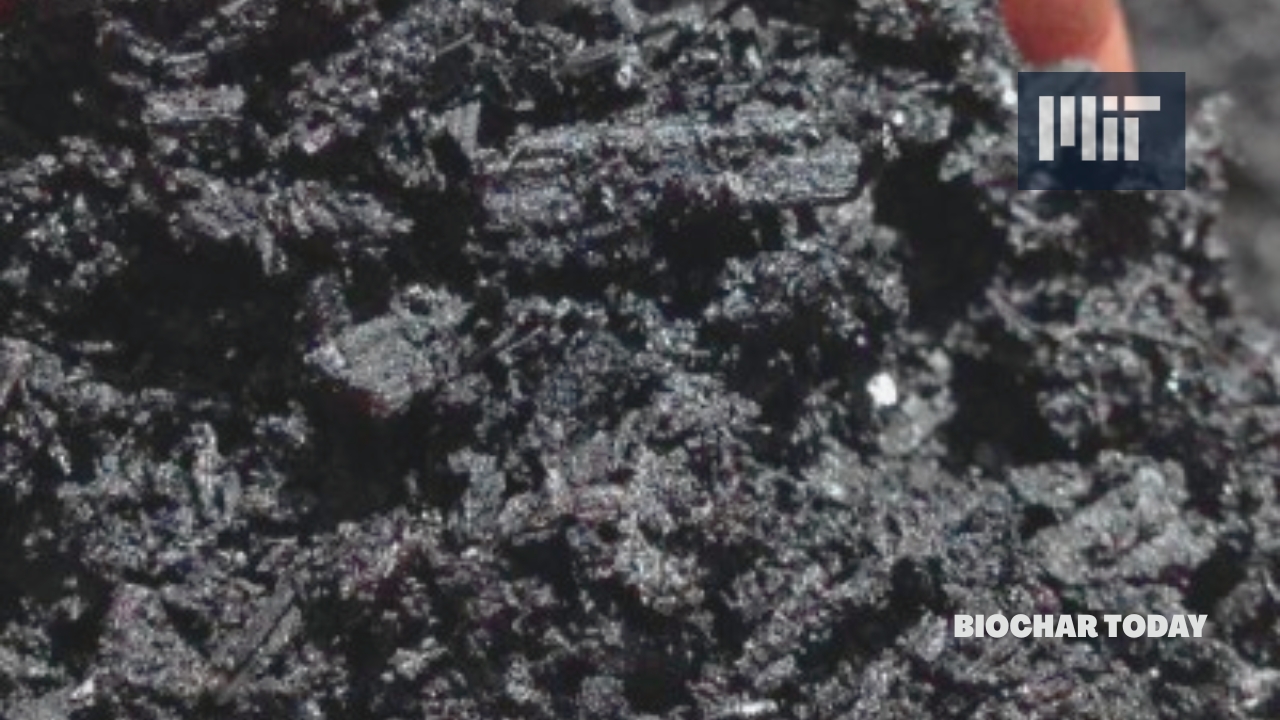
In the United States, the West Virginia State Senate Economic Development Committee has unanimously passed Senate Bill 893, a measure designed to establish the state as a competitive hub for the biocharBiochar is a carbon-rich material created from biomass decomposition in low-oxygen conditions. It has important applications in environmental remediation, soil improvement, agriculture, carbon sequestration, energy storage, and sustainable materials, promoting efficiency and reducing waste in various contexts while addressing climate change challenges. More industry. The legislation seeks to attract private investment by offering a performance-based state income tax credit for companies that establish biochar manufacturing facilities within West Virginia. This move aligns with broader regional efforts, such as the Mid-Atlantic Sustainable BiomassBiomass is a complex biological organic or non-organic solid product derived from living or recently living organism and available naturally. Various types of wastes such as animal manure, waste paper, sludge and many industrial wastes are also treated as biomass because like natural biomass these More for Value-Added Products Consortium (MASBio), which includes West Virginia University and focuses on developing economically feasible biomass systems.
The primary challenge addressed by this legislative action is the need for regional economic diversification and the mitigation of industrial carbon footprints. While federal incentives exist to bolster carbon sequestration, West Virginia has lacked a specific state-level framework to differentiate itself from other regions competing for industrial investment. Furthermore, the state faces the dual pressure of managing organic waste streams, such as wood chips from its significant timber industry, while seeking sustainable methods to reduce atmospheric emissions and improve soil health.
The proposed solution involves leveraging existing federal tax incentives through a supplemental state-level credit. Beginning July 1, 2026, qualifying biochar facilities in West Virginia would be eligible for a state tax credit against their corporate net income tax for a period of 12 years. This credit is structured as 10% of the federal tax credit received by the facility. To ensure fiscal responsibility, the credit is limited to reducing no more than 50% of a company’s state income tax liability, though it includes provisions for carrying the credit back to previous tax years.
The anticipated outcomes of SB 893 include increased private investment and the expansion of a sector currently valued globally at over $1 billion, with projections to reach $2 billion by 2033. By incentivizing the conversion of organic waste into stable charcoalCharcoal is a black, brittle, and porous material produced by heating wood or other organic substances in a low-oxygen environment. It is primarily used as a fuel source for cooking and heating. More, West Virginia expects to foster job creation in rural areas while contributing to international carbon sequestration goals. The bill now proceeds to the Senate Finance Committee, representing a critical step toward integrating the state into the high-growth “black gold” market.



Leave a Reply