

The Capital Regional District (CRD) in Victoria has selected Australian engineering firm Pyrocal PTY Ltd. to introduce new technology that will transform biosolids into biocharBiochar is a carbon-rich material created from biomass decomposition in low-oxygen conditions. It has important applications in environmental remediation, soil improvement, agriculture, carbon sequestration, energy storage, and sustainable materials, promoting efficiency and reducing waste in various contexts while addressing climate change challenges. More as part of the region’s wastewater treatment strategy. This initiative, the first of its kind in Canada, will be integrated into the Residuals Treatment Facility at the Hartland Landfill.
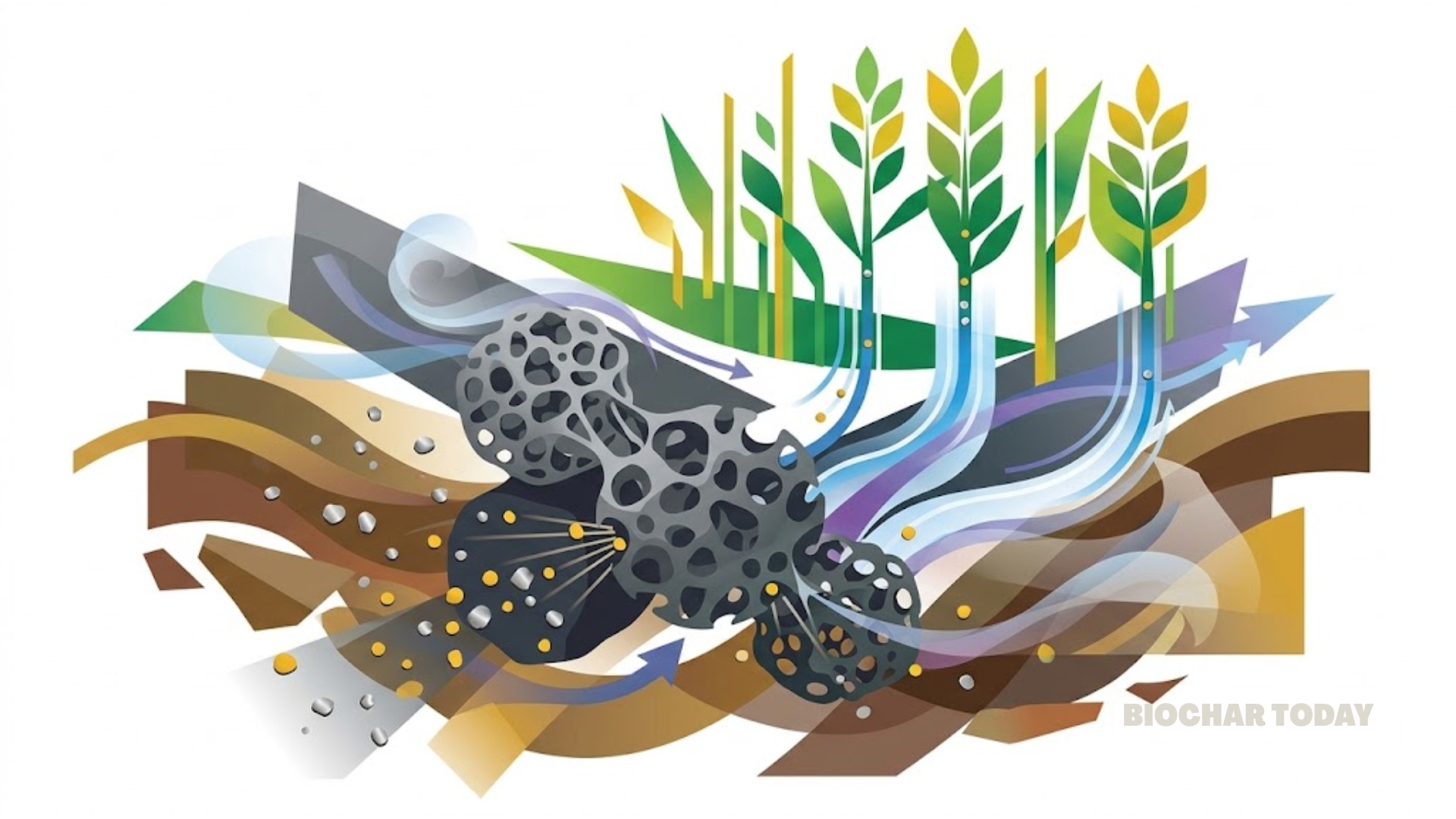
Using Pyrocal’s Continuous Carbonisation Technology (CCT), the CRD aims to process all of its Class A biosolids into biochar. This charcoal-like substance offers environmental benefits such as enhancing soil health by improving moisture and nutrient retention. The system is also expected to have a net-negative greenhouse gas impact, aiding long-term carbon removal from the atmosphere.
This move aligns with the CRD’s Long-term Biosolids Management Strategy, confirmed in March 2025, which calls for sustainable treatment solutions including pyrolysisPyrolysis is a thermochemical process that converts waste biomass into bio-char, bio-oil, and pyro-gas. It offers significant advantages in waste valorization, turning low-value materials into economically valuable resources. Its versatility allows for tailored products based on operational conditions, presenting itself as a cost-effective and efficient More or gasificationGasification is a high-temperature, thermochemical process that converts carbon-based materials into a gaseous fuel called syngas and solid by-products. It takes place in an oxygen-deficient environment at temperatures typically above 750°C. Unlike combustion, which fully burns material to produce heat and carbon dioxide (CO2), gasification More. By turning waste into a usable product, the CRD hopes to reduce reliance on out-of-region disposal while potentially generating revenue from biochar sales.
CRD Board Chair Cliff McNeil-Smith highlighted the project’s potential to improve both waste management practices and environmental outcomes in the region. Chris Coleman, Chair of the CRD’s Core Area Liquid Waste Management Committee, said the project represents a new standard for environmentally responsible liquid waste management.
Pyrocal CEO Barry Croker expressed enthusiasm about introducing their technology to North America, emphasizing the project’s significance for both the company and the biosolids sector at large.
Project costs are anticipated to be competitive with current biosolids disposal options. CRD staff will return to the Board with a detailed financial and operational plan, along with a proposed funding approach requiring public approval, before any final investment decision is made.

Leave a Reply