
Soil contamination from organic pollutants like pesticides, crude oil, and plastics is a major global issue, with the FAO reporting that 80% of agricultural soils are affected. This pollution leads to a 15-20% loss in agricultural productivity and contributes to around 13 million deaths annually worldwide. A recent review article in the journal BiocharBiochar is a carbon-rich material created from biomass decomposition in low-oxygen conditions. It has important applications in environmental remediation, soil improvement, agriculture, carbon sequestration, energy storage, and sustainable materials, promoting efficiency and reducing waste in various contexts while addressing climate change challenges. More, authored by Nandita Das and Piyush Pandey, explores a promising solution: using biochar to enhance rhizoremediation, a natural process that leverages the power of plant roots and microbes to clean up contaminated soil. This approach not only improves contaminant degradation but also provides significant bioeconomic benefits.
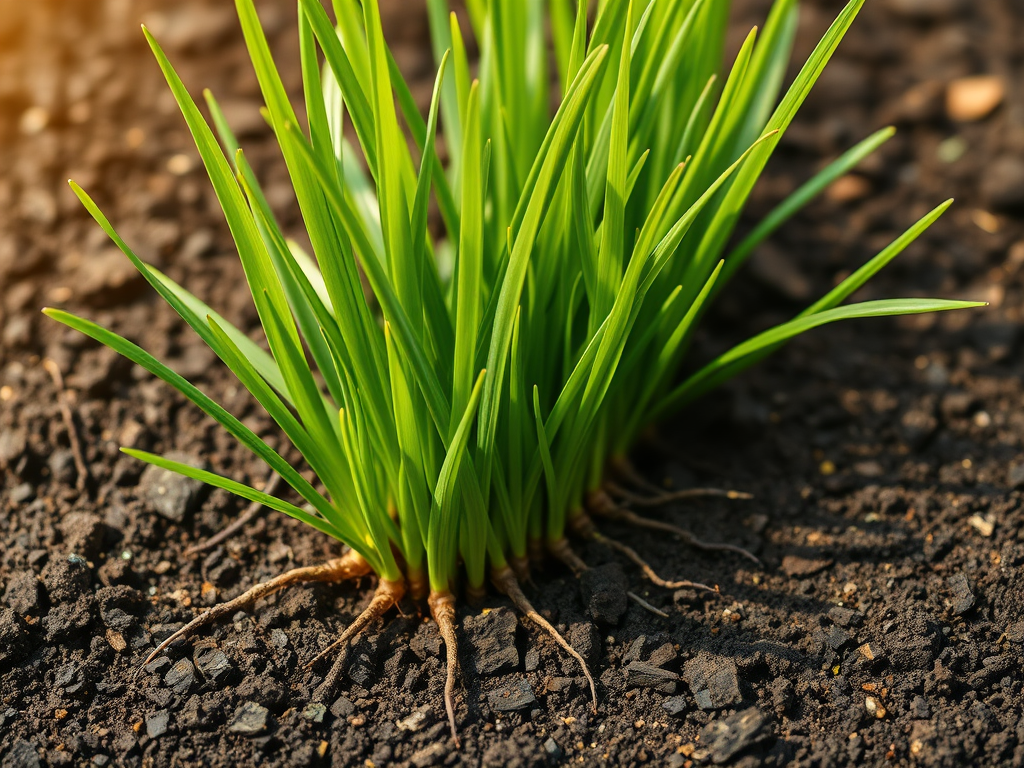
Rhizoremediation is a nature-based solution that relies on the synergistic relationship between plant roots and soil-dwelling microbes. Plants excrete chemical substances called root exudates, which create a thriving environment for beneficial bacteria that can break down organic pollutants. This process is highly effective, with studies showing that plants like ryegrass can degrade up to 90% of certain pollutants. However, rhizoremediation can be limited by low microbial activity and the low bioavailability of pollutants in the soil. This is where biochar, a porous, carbon-rich material made from biomassBiomass is a complex biological organic or non-organic solid product derived from living or recently living organism and available naturally. Various types of wastes such as animal manure, waste paper, sludge and many industrial wastes are also treated as biomass because like natural biomass these More, comes in as a powerful catalyst.
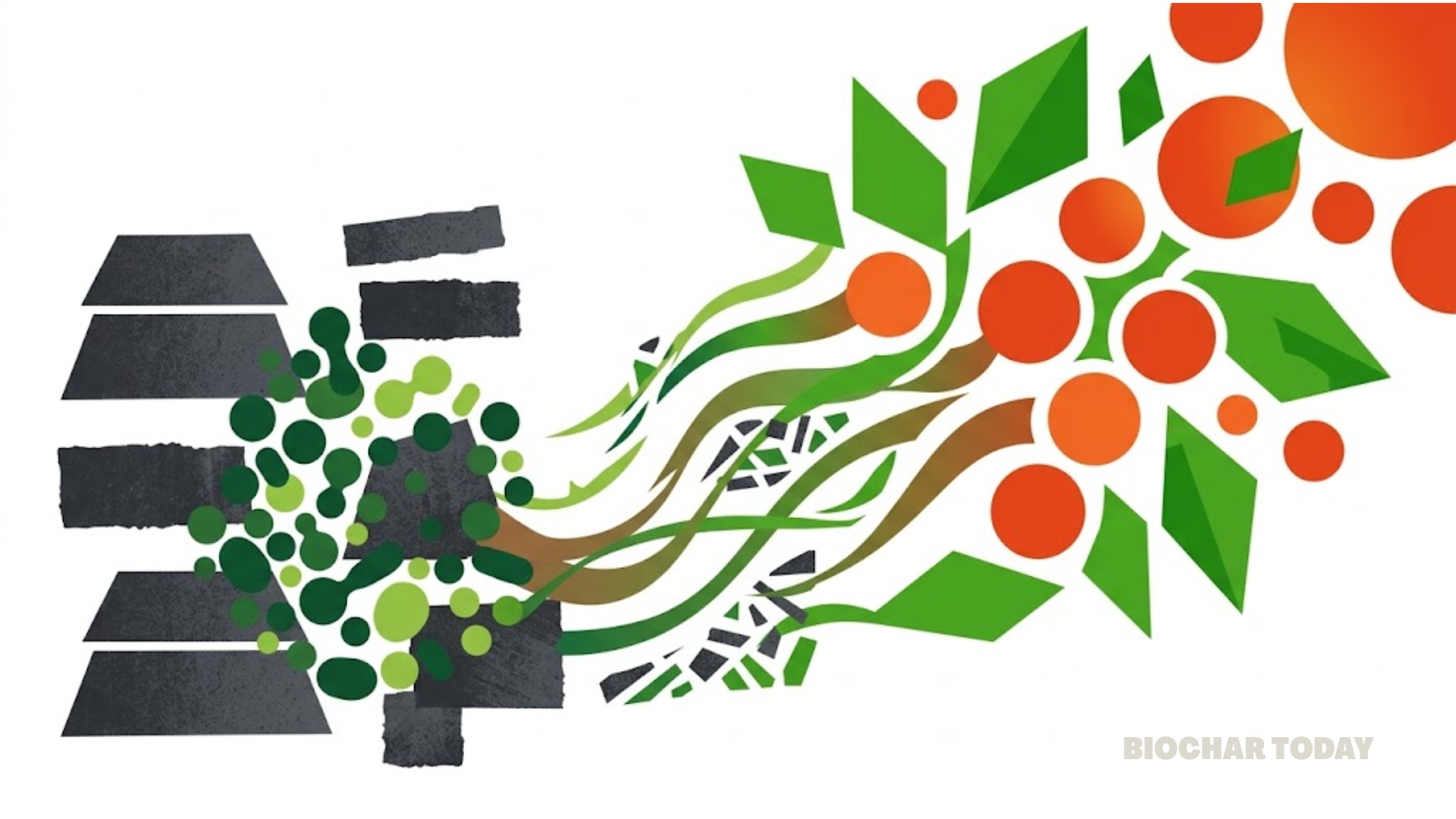
Biochar’s unique properties make it an ideal partner for rhizoremediation. Its porous structure provides a safe and stable habitat for microorganisms, allowing them to proliferate. It also has a superior adsorption capacity, meaning it can effectively bind to pollutants like polycyclic aromatic hydrocarbons (PAHs) and pesticides, making them more available for microbial degradation. Additionally, biochar is rich in essential nutrients like potassium, magnesium, calcium, and phosphorus, which further support plant and microbial growth in contaminated soil. The addition of biochar can increase a soil’s cation exchange capacity by 100%, reduce fertilizer needs by 60%, and enhance microbial populations.
The synergistic effect of combining biochar with rhizoremediation has shown remarkable results. For instance, studies have demonstrated that this combination can remove up to 85% of PAHs in ryegrass rhizospheres. In crude oil-contaminated soil, the co-application of biochar and plants has been shown to remove petroleum hydrocarbons by as much as 77%. Biochar also helps mitigate the harmful impacts of pollutants on plants, with some studies showing a 44-57% decrease in PAH uptake in cucumbers and a significant reduction in plant toxicity. This not only cleans the soil but also improves plant health and productivity.
To optimize biochar’s effectiveness, advanced engineering strategies are being developed. Chemical modifications, such as treating biochar with acids or metal salts, can significantly enhance its adsorption capacity. Physical modifications like ball milling or steam activation can increase its surface area and pore volume, making it an even better home for microbes. The production process itself is also being refined. PyrolysisPyrolysis is a thermochemical process that converts waste biomass into bio-char, bio-oil, and pyro-gas. It offers significant advantages in waste valorization, turning low-value materials into economically valuable resources. Its versatility allows for tailored products based on operational conditions, presenting itself as a cost-effective and efficient More temperature, for example, is a crucial factor, with higher temperatures leading to biochar with a larger surface area and higher carbon content, while lower temperatures result in a product with more functional groups.
Beyond its environmental benefits, the biochar market is experiencing rapid growth, valued at $2.05 billion in 2023 and projected to reach $3.99 billion by 2032. This growth, fueled by demand for sustainable agricultural and environmental solutions, presents a significant opportunity for global economic expansion and ecosystem restoration. The use of biochar aligns with several of the United Nations’ Sustainable Development Goals, including those related to clean water, affordable energy, climate action, and life on land.
In conclusion, the integration of biochar with rhizoremediation offers a powerful and sustainable approach to tackle global soil pollution. This method not only cleans contaminated land but also improves soil health, enhances crop yield, and supports a growing bioeconomy. While more long-term, in-field research is needed to fully understand its effects, the current findings highlight biochar’s immense potential in creating a cleaner, more sustainable future.
Das, N., & Pandey, P. (2025). Biochar-driven rhizoremediation of soil contaminated with organic pollutants: engineered solutions, microbiome enrichment, and bioeconomic benefits for ecosystem restoration. Biochar, 7(1), 101.




Leave a Reply