
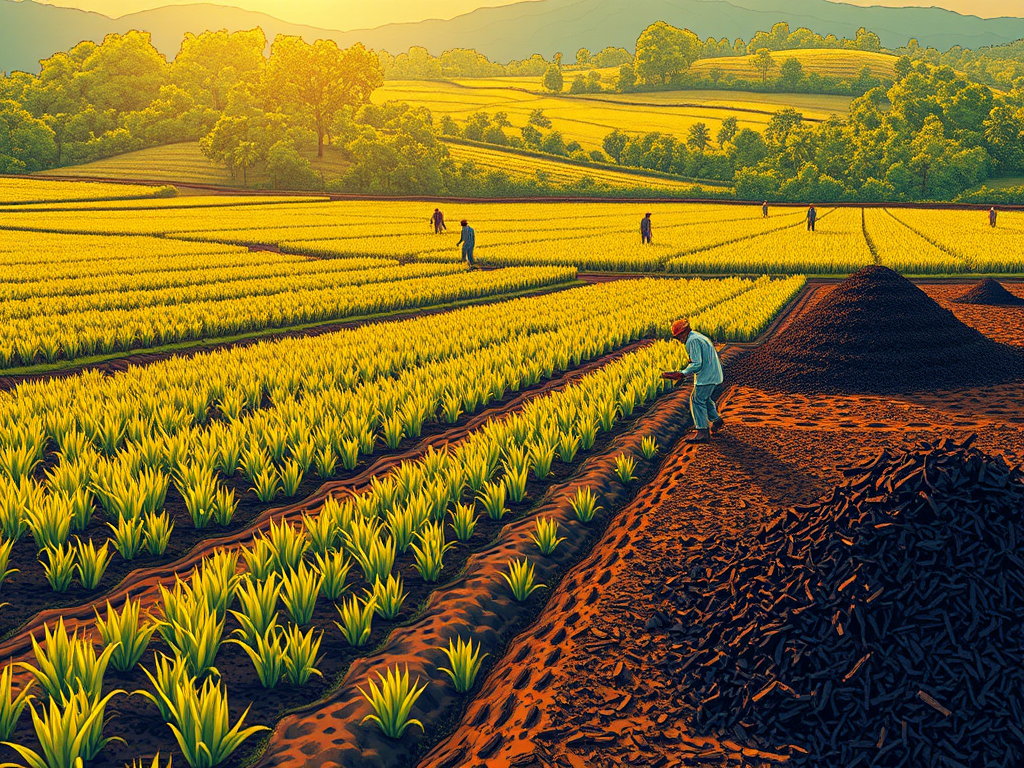
In a recent bulletin by Ch. Srinivasarao, K.A. Gopinath, G. Venkatesh, and a team of 11 other authors from various Indian agricultural research institutes, the potential of biocharBiochar is a carbon-rich material created from biomass decomposition in low-oxygen conditions. It has important applications in environmental remediation, soil improvement, agriculture, carbon sequestration, energy storage, and sustainable materials, promoting efficiency and reducing waste in various contexts while addressing climate change challenges. More for soil health management and greenhouse gas mitigation in India is thoroughly explored. India, a nation heavily reliant on agriculture, generates an estimated 500 million tons of crop residues annually. Traditionally, a significant portion of this biomassBiomass is a complex biological organic or non-organic solid product derived from living or recently living organism and available naturally. Various types of wastes such as animal manure, waste paper, sludge and many industrial wastes are also treated as biomass because like natural biomass these More, around 93 million tons each year, is burned in fields , leading to the release of substantial amounts of greenhouse gases (GHGs)Greenhouse gases (GHGs) are gases in the atmosphere that trap heat, contributing to the warming of the planet. Carbon dioxide, methane, and nitrous oxide are examples of greenhouse gases. Biochar helps to mitigate the emission of GHGs through various mechanisms. More like carbon dioxide, methane, and nitrous oxide, alongside other air pollutants. This practice not only contributes to air pollution but also results in the loss of valuable biomass and nutrients from the soil.
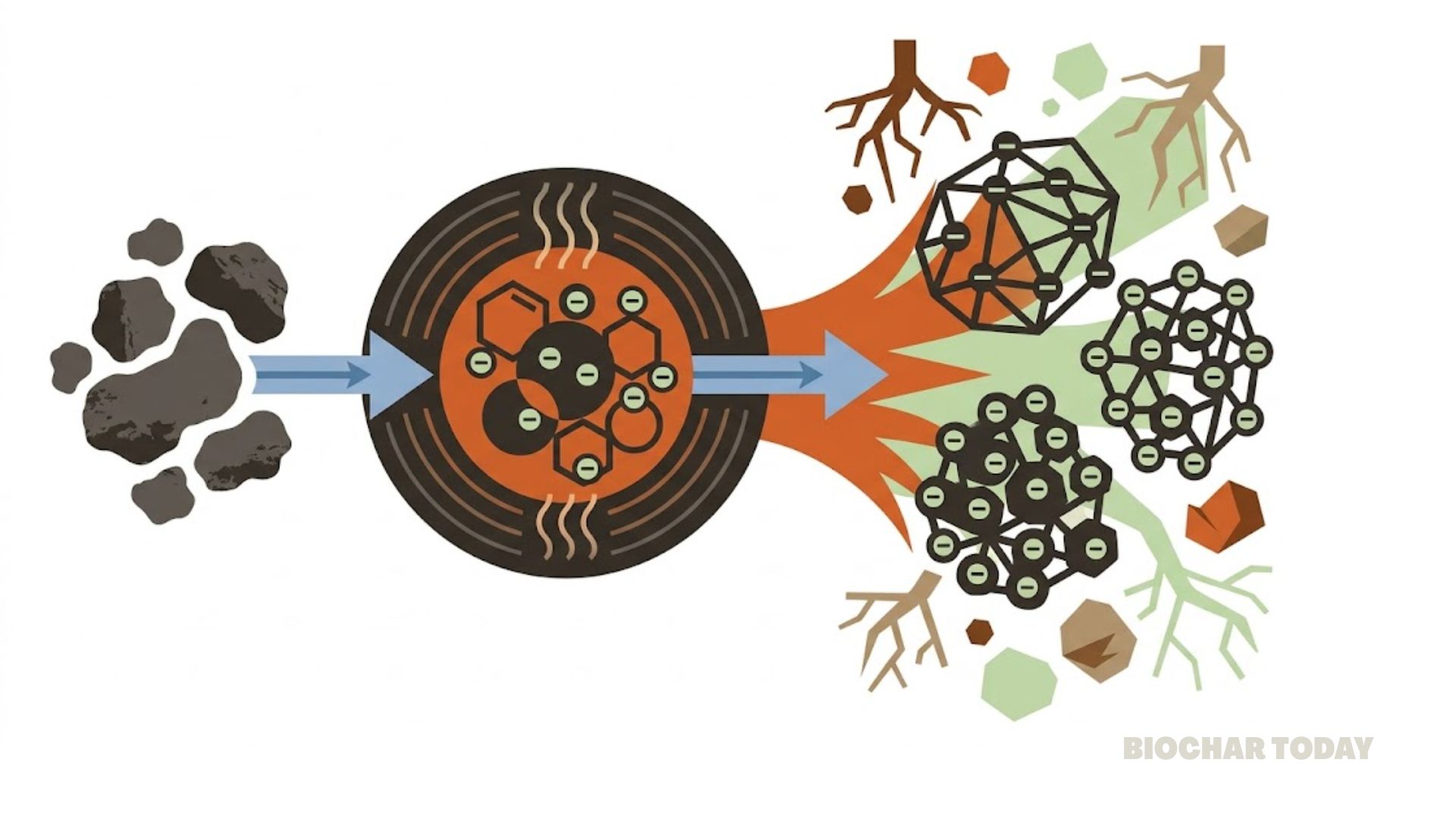
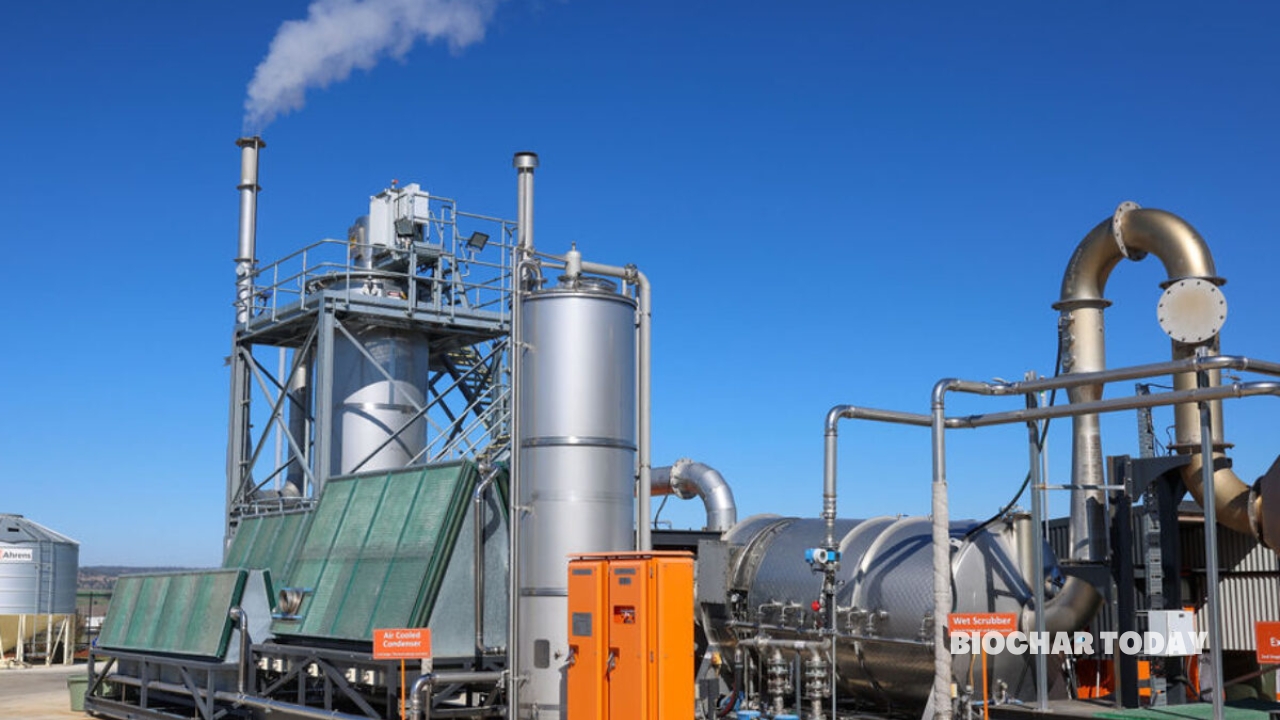
The bulletin highlights biochar as a transformative solution, converting agricultural waste from an environmental liability into a valuable asset. Biochar is a carbon-rich, porous material produced by heating biomass in a low-oxygen environment, a process known as pyrolysisPyrolysis is a thermochemical process that converts waste biomass into bio-char, bio-oil, and pyro-gas. It offers significant advantages in waste valorization, turning low-value materials into economically valuable resources. Its versatility allows for tailored products based on operational conditions, presenting itself as a cost-effective and efficient More. Unlike direct burning, which retains only 3% of initial carbon, converting biomass to biochar can sequester about 50% of the carbon, significantly increasing its persistence in the environment for centuries. This stability makes biochar a major carbon sink, capable of storing carbon for hundreds to thousands of years.
Beyond carbon sequestration, biochar offers numerous agricultural benefits. It improves soil physical properties like water holding capacityWater holding capacity is the amount of water that soil can retain. Biochar can significantly increase the water holding capacity of soil, improving its ability to withstand drought conditions and support plant growth. More and nutrient retention , and enhances biological properties by fostering beneficial microorganisms. Studies have shown that biochar can increase soil pHpH is a measure of how acidic or alkaline a substance is. A pH of 7 is neutral, while lower pH values indicate acidity and higher values indicate alkalinity. Biochars are normally alkaline and can influence soil pH, often increasing it, which can be beneficial More, reduce aluminum toxicity, and improve fertilizer use efficiency by 10-30%. For instance, biochar from sugarcane bagasse increased soil pH from 4.0-4.5 to 6.0-6.5 in a Colombian maize trial. In terms of crop productivity, the bulletin presents compelling results. Application of wheat straw biochar at 1.9 t/ha alongside recommended NPK fertilizers significantly increased maize yield on an Inceptisol soil. Another experiment showed that combining castor stalk biochar at 4 t/ha with recommended fertilizers and farmyard manure resulted in a 34% higher maize grain yield compared to fertilizer alone. While specific rates vary based on feedstockFeedstock refers to the raw organic material used to produce biochar. This can include a wide range of materials, such as wood chips, agricultural residues, and animal manure. More and soil type, experiments have successfully used rates between 5−50 t/ha. Some studies reported a 150% increase in pea biomass with 0.5 t/ha of char.
The report also emphasizes biochar’s role in mitigating non-CO2 GHGs. Biochar application can reduce nitrous oxide (N2O) emissions by up to 85% and almost completely suppress methane (CH4) emissions from agricultural soils. These reductions are crucial given that N2O and CH4 are 298 and 23 times more potent greenhouse gases than CO2, respectively. Estimates suggest that using biochar in India could lead to a 2-4% reduction in the country’s total greenhouse gas emissions.
Despite these significant advantages, the adoption of biochar in India faces constraints, including competing demands for biomass feedstocks, the initial costs of production units, and the need for further research on long-term impacts and optimal application rates. The authors stress the need for continued research, development of low-cost production technologies suitable for small and marginal farmers, and supportive policies to promote widespread biochar use.
Source: Srinivasarao, C., Gopinath, K. A., Venkatesh, G., Dubey, A. K., Wakudkar, H., Purakayastha, T. J., … & Sikka, A. K. (2013). Use of biochar for soil health management and greenhouse gas mitigation in India: Potential and constraints. Central Research Institute for Dryland Agriculture, Hyderabad, Andhra Pradesh.



Leave a Reply