
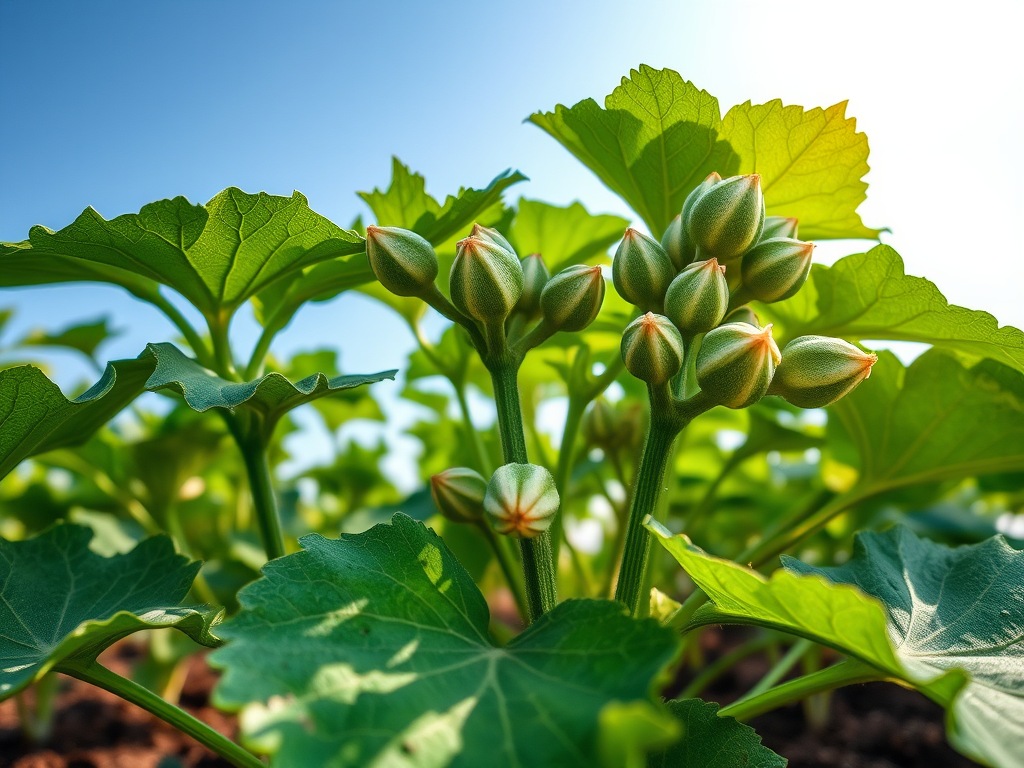
In a study published as a preprint on Preprints.org, researchers Touhidul Islam Sourav, Rofiqul Islam, and Mohammad Nuruzzaman investigated how applying wood-derived biocharBiochar is a carbon-rich material created from biomass decomposition in low-oxygen conditions. It has important applications in environmental remediation, soil improvement, agriculture, carbon sequestration, energy storage, and sustainable materials, promoting efficiency and reducing waste in various contexts while addressing climate change challenges. More could help zucchini (Cucurbita pepo) plants thrive in coastal agricultural areas challenged by soil salinity. Their work, titled “Biochar Influence on Zucchini Growth and Flowering in a Coastal Agroecosystem,” explores a sustainable approach to a common problem faced by farmers in these regions. Soil salinity and nutrient depletion can severely limit crop productivity, but biochar has emerged as a promising solution to enhance soil health and plant growth. The researchers’ findings provide valuable insights into optimizing zucchini cultivation in these challenging conditions.
The experiment was conducted in Noakhali, Bangladesh, and used a randomized complete block design with five different biochar treatments, ranging from a control group with no biochar to the highest application rate of 8 tons per hectare (T5). The study focused on key growth parameters such as leaf number, petiole length, stem length, and dry leaf weight, as well as reproductive traits like male and female flower counts. Data were collected at two intervals: 35 and 60 days after sowing.
The results showed a clear positive correlation between the amount of biochar applied and the growth and flowering of the zucchini plants. For instance, the highest application rate of 8 tons per hectare (T5) led to the best performance in nearly all measured traits. Beyond vegetative growth, biochar had a significant impact on the plant’s reproductive success. The study’s authors attribute these improvements to biochar’s ability to enhance soil structure, increase nutrient availability (especially phosphorus), and improve water retention, all of which are critical for flower induction and development. This is particularly important for zucchini, which requires both male and female flowers for successful fruit production.
The study also found that biochar application significantly increased the dry weight of leaves, a key indicator of overall plant biomassBiomass is a complex biological organic or non-organic solid product derived from living or recently living organism and available naturally. Various types of wastes such as animal manure, waste paper, sludge and many industrial wastes are also treated as biomass because like natural biomass these More and health. The T5 treatment resulted in the highest dry leaf weight at 6.68g, compared to just 2.19g in the control group, representing an over 200% increase. This increased biomass is linked to biochar’s ability to improve nutrient cycling and support higher photosynthetic efficiency.
In conclusion, this research provides a strong case for using biochar as a sustainable soil amendmentA soil amendment is any material added to the soil to enhance its physical or chemical properties, improving its suitability for plant growth. Biochar is considered a soil amendment as it can improve soil structure, water retention, nutrient availability, and microbial activity. More in coastal agroecosystems. The findings demonstrate that a biochar application rate of 8 tons per hectare is an effective strategy for significantly boosting both vegetative growth and reproductive performance in zucchini plants, ultimately offering a cost-effective solution for farmers facing saline soil conditions. While the study’s authors note that future research should examine the long-term effects of biochar on soil microbial dynamics and nutrient cycling in saline environments, this work is a crucial step toward developing sustainable agricultural practices that improve crop resilience and productivity in challenging regions.
Source: Sourav, T. I., Islam, R., & Nuruzzaman, M. (2025). Biochar Influence on Zucchini Growth and Flowering in a Coastal Agroecosystem. Preprints.org.





Leave a Reply