

Toxic heavy metals like cadmium (Cd), mercury (Hg), and lead (Pb) are some of the most persistent pollutants threatening ecosystems and human health. Traditional methods of removing these contaminants from wastewater often come with high costs and environmental drawbacks. Enter a new hope in environmental science: functionalized magnetite-biochar paired with live and dead bacteria-Enjoy the science piece reported in the journal Next Materials.
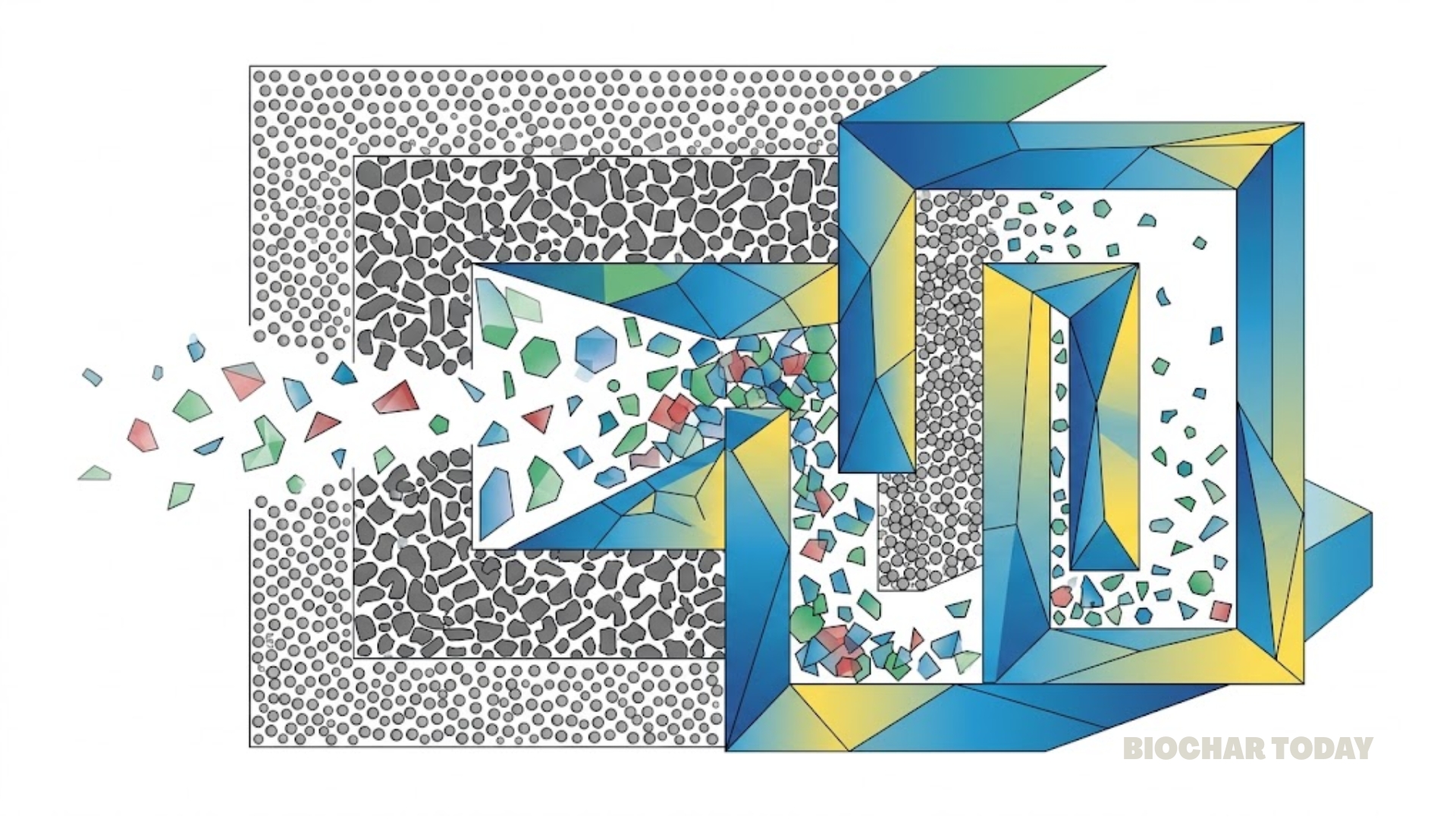
This groundbreaking composite combines the adsorption power of biocharBiochar is a carbon-rich material created from biomass decomposition in low-oxygen conditions. It has important applications in environmental remediation, soil improvement, agriculture, carbon sequestration, energy storage, and sustainable materials, promoting efficiency and reducing waste in various contexts while addressing climate change challenges. More, the magnetic properties of magnetite, and the biosorptive capabilities of bacteria to create a highly efficient, eco-friendly solution for heavy metal removal. The bacteria (both live and dead) bring their unique ability to latch onto heavy metals using functional groups like carboxyl and hydroxyl, while magnetite-biochar ensures easy recovery and reuse of the material, thanks to its magnetic nature. The study shows that this hybrid system can work under various environmental conditions while achieving remarkable removal efficiencies for Cd, Hg, and Pb. It’s also regenerative, maintaining performance through multiple treatment cycles. Moreover, the system aligns with sustainability goals by using waste-derived biochar and minimizing the need for synthetic chemicals. Beyond its technical prowess, this innovation marks a step towards bridging cost-effective practices with advanced technology. By integrating natural and engineered components, this approach provides an adaptable and scalable solution for industrial and municipal wastewater treatment.
Our take
The nuptial union of biochar and biological systems is nothing short of revolutionary. This study underscores the immense potential of biochar as part of functionalized composites for targeted applications. While biochar already shines as a carbon-negative material, coupling it with bacteria and magnetite amplifies its effectiveness in pollution control. This innovative technology could set a new benchmark in wastewater treatment, driving sustainability and advancing innovation in environmental management.
Yudha Gusti Wibowo, Dedy Anwar, Hana Safitri, Indra Surya, Sudibyo Sudibyo, Ahmad Tawfiequrrahman Yuliansyah, Himawan Tri Bayu Murti Petrus (2025) Functionalized magnetite-biochar with live and dead bacteria for adsorption-biosorption of highly toxic metals: Cd, Hg, and Pb. Next Materials,
https://doi.org/10.1016/j.nxmate.2025.100487.



Leave a Reply