

In its “Value-Adding Project from Agricultural Waste Materials,” a key component of its Biological Master Plan, Thailand’s Ministry of Agriculture and Cooperatives has released new statistics and announcements on its progress. The project aims to empower farmers by turning agricultural waste into valuable products, thereby increasing their income and fostering environmental sustainability.
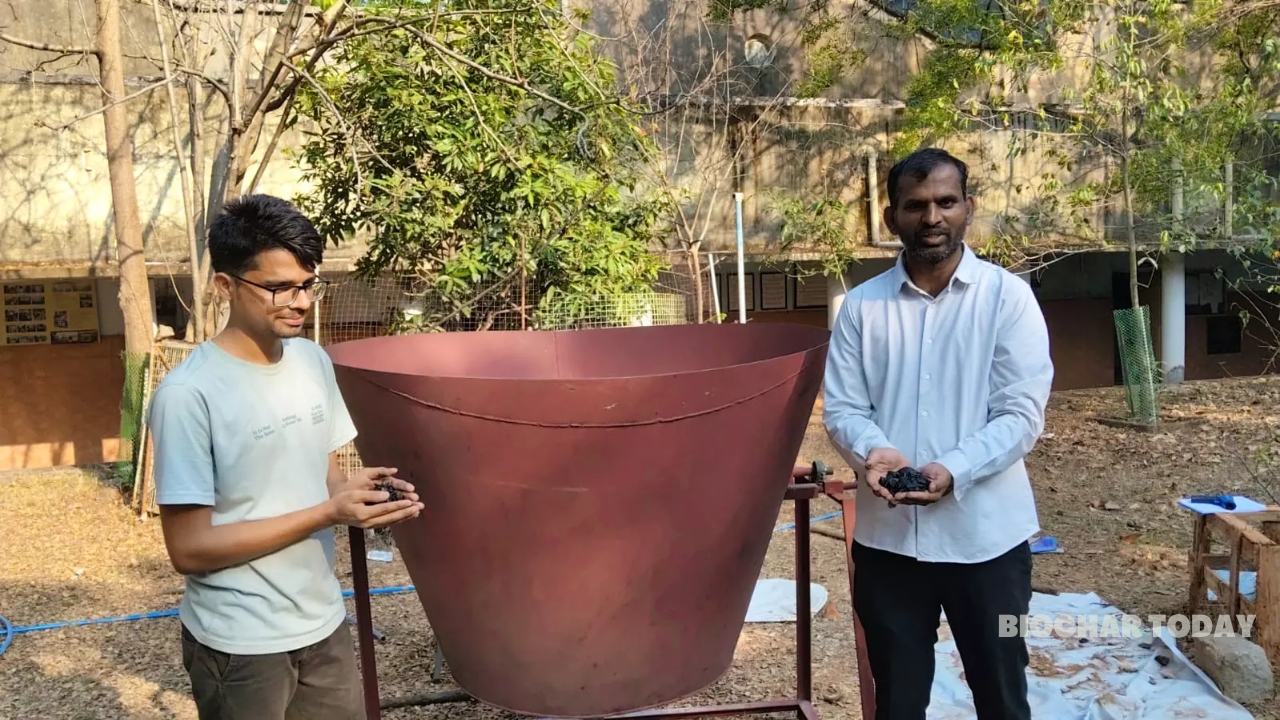
The Department of Agriculture has made significant strides in its targets. It has successfully provided training to 65 farmers on the technology to convert agricultural waste from corn and sugarcane into biocharBiochar is a carbon-rich material created from biomass decomposition in low-oxygen conditions. It has important applications in environmental remediation, soil improvement, agriculture, carbon sequestration, energy storage, and sustainable materials, promoting efficiency and reducing waste in various contexts while addressing climate change challenges. More. The project has now reached 2,500 rai, which is 71.43% of its 3,500 rai target (a rai equates to around 0.4 acres). Additionally, the department has developed a “Waste Feeder” system and a user-friendly digital platform for waste management, accessible on smartphones and computers, to aid farmers in these efforts.
The Rice Department is actively promoting the use of biological products to decompose rice straw, with a demonstration plot of 50 rai. This method not only improves soil structure and nutrient content but also provides a sustainable alternative to burning, which reduces harmful PM 2.5 emissions. A new product, “Rice Straw Pellets Fertilizer,” has been successfully prototyped and is being introduced to farmer groups in Chiang Mai and Suphan Buri provinces. This initiative has already shown a substantial increase in rice yields, from 500 kilograms per rai to 800 kilograms per rai in one community.
The Cooperative Promotion Department has exceeded its goals for training, with 341 people participating, which is 113.67% of its 300-person target. This training focuses on using technology and innovation to repurpose waste, reduce costs, and create added value. Furthermore, the department has completed its survey of waste types and quantities in participating cooperatives and farmer groups, reaching 100% of its 130-location target. These statistics show a strong and successful drive toward a more sustainable and profitable agricultural sector.
SOURCE: Add value to agricultural waste materials, increase income and reduce production costs.

Leave a Reply