
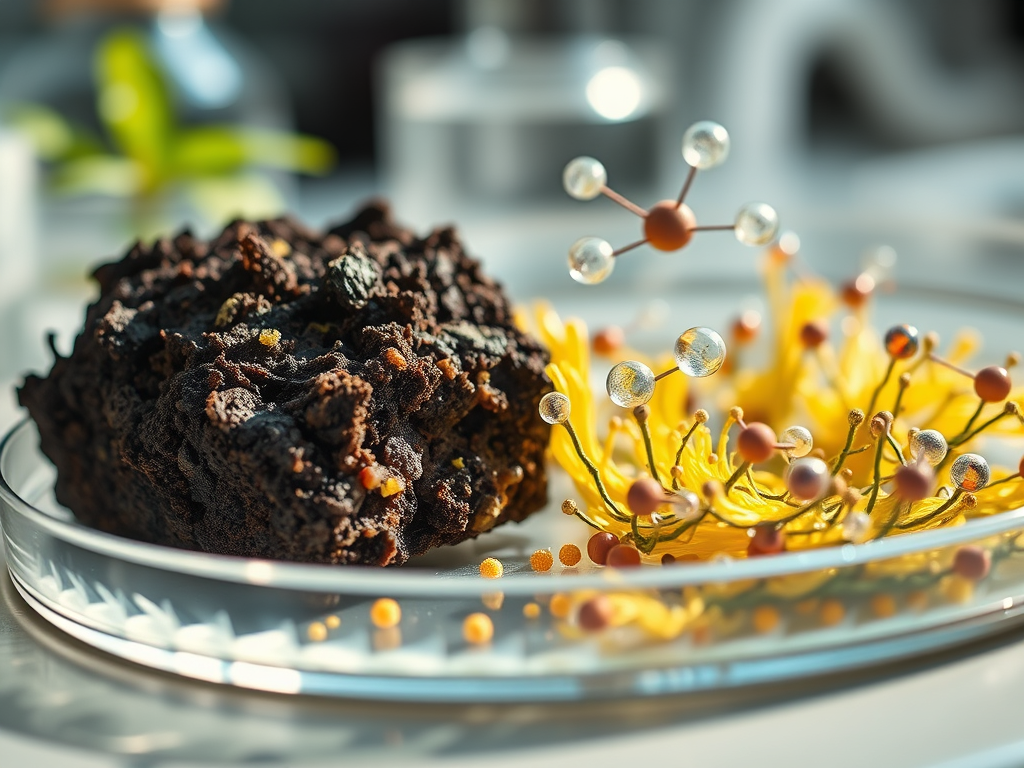
Antibiotic pollution is a major environmental crisis, with global consumption of these drugs creating a persistent contamination cycle that threatens both ecosystem integrity and human health. The problem is particularly acute in aquatic environments, with detectable antibiotic residues found in 65% of global river systems. Traditional microbial remediation methods often fall short when faced with the complexity and persistence of these pollutants. However, a recent review published by Jinli Wang et al. in the journal Clean Technologies and Environmental Policy explores an innovative and highly promising strategy: the targeted regulation of biocharBiochar is a carbon-rich material created from biomass decomposition in low-oxygen conditions. It has important applications in environmental remediation, soil improvement, agriculture, carbon sequestration, energy storage, and sustainable materials, promoting efficiency and reducing waste in various contexts while addressing climate change challenges. More to enhance microbial activity and more effectively remove antibiotics from the environment.
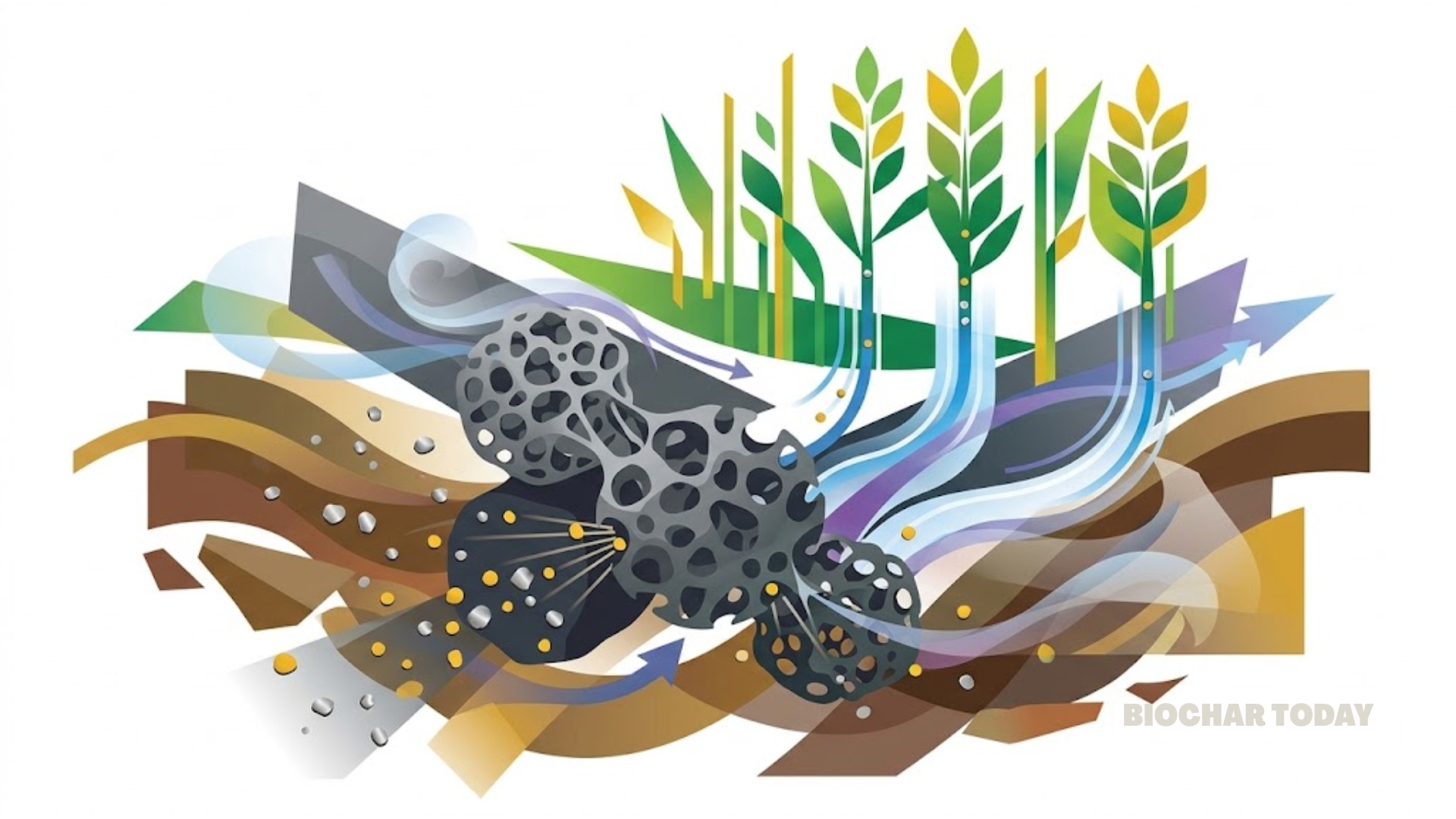
The synergy between biochar and microorganisms is based on a powerful dual-action strategy. First, biochar’s intrinsic properties—including a large surface area, high porosityPorosity of biochar is a key factor in its effectiveness as a soil amendment and its ability to retain water and nutrients. Biochar’s porosity is influenced by feedstock type and pyrolysis temperature, and it plays a crucial role in microbial activity and overall soil health. Biochar More, and rich functional groups—allow it to adsorb and immobilize various pollutants, effectively reducing their immediate concentrations and mitigating their negative impact on ecosystems. Second, biochar acts as a protective habitat, creating an ecological niche that fosters microbial growth and enhances the diversity and viability of microbial populations. This structural support and nutrient retention allows microbes to thrive and, in turn, accelerate the biodegradation of complex antibiotic molecules.
The paper highlights that this collaboration can be optimized through the purposeful engineering of biochar’s properties. One key strategy is to boost the biochar’s specific surface area, which provides more sites for both pollutant adsorptionBiochar has a remarkable ability to attract and hold onto pollutants, like heavy metals and organic chemicals. This makes it a valuable tool for cleaning up contaminated soil and water. More and microbial adhesion. For instance, one study synthesized a nitrogen-doped magnetic porous biochar with an expansive surface area of 1531 m²/g, which demonstrated a removal capacity of 502 mg g⁻¹ for sulfamethoxazole. Another approach is to strategically alter the biochar’s surface potential by manipulating its pHpH is a measure of how acidic or alkaline a substance is. A pH of 7 is neutral, while lower pH values indicate acidity and higher values indicate alkalinity. Biochars are normally alkaline and can influence soil pH, often increasing it, which can be beneficial More and redox potential, which influences the electrostatic interactions between the biochar and the charged antibiotic molecules. One experiment using a biochar-immobilized microbe system achieved an 84.10% removal efficiency for sulfonamide antibiotics at a pH of 7.0, an optimal pH for both electrostatic attraction and microbial growth. Finally, grafting specific functional groups onto the biochar surface directly mediates biochar-microbe interactions, supporting microbial adhesion, enzymatic activity, and degradation pathways.
The review presents compelling evidence from real-world applications of these biochar-microbe systems. In pilot-scale implementations, magnetic biochar-Pseudomonas consortia biofilms achieved a 92.4% sulfamethoxazole removal rate from hospital wastewater, significantly outperforming conventional activated sludge systems which only reached 68.2% removal. In other full-scale applications, daily biochar supplementation to reactors resulted in 85-89% fluoroquinolone elimination in pharmaceutical park wastewater. These systems also perform well in soil environments, with one study showing that modified biochar enhanced tetracycline degradation from 42.1% to 78.6% within 30 days. This synergistic approach consistently achieves high removal efficiencies, with one study finding that biochar-amended systems accomplished a 70-90% sulfonamide removal in 48 hours, significantly outperforming unamended microbial consortia, which only managed a 40-60% removal.
The effectiveness of these combined systems is also attributed to enhanced microbial metabolic activity and enzyme induction. Biochar can act as an auxiliary substrate for co-metabolism, providing nutrients that boost microbial growth and capacity to metabolize pollutants. Studies have quantitatively shown this effect: iron-modified biochar increased microbial reductase activity by 2.3-fold during bisphenol A degradation. The engineered biochar acts as an inducive substrate, promoting the generation of additional enzymes that expedite the transformation of pollutants.
In conclusion, this review underscores the immense potential of using biochar as a regulated scaffold to amplify microbial activity, thereby providing an effective and sustainable strategy for antibiotic remediation. However, the paper also notes several critical challenges that must be addressed in future research, including the need for long-term stability investigations, mitigation of potential secondary pollution from biochar, and a comprehensive life-cycle analysis to ensure cost-efficiency and scalability. By continuing to develop and refine these targeted strategies, biochar-microbe systems can become a pivotal tool in environmental management.
Source: Wang, J., Li, X., Li, M., Sun, H., Hou, J., Yang, Y., Liang, Y., Qin, P., Yang, Y., & Wu, Z. (2025). Targeted regulation of biochar-strengthened microorganisms for effective removal of antibiotics from the environment. Clean Technologies and Environmental Policy, 1–25.


Leave a Reply