
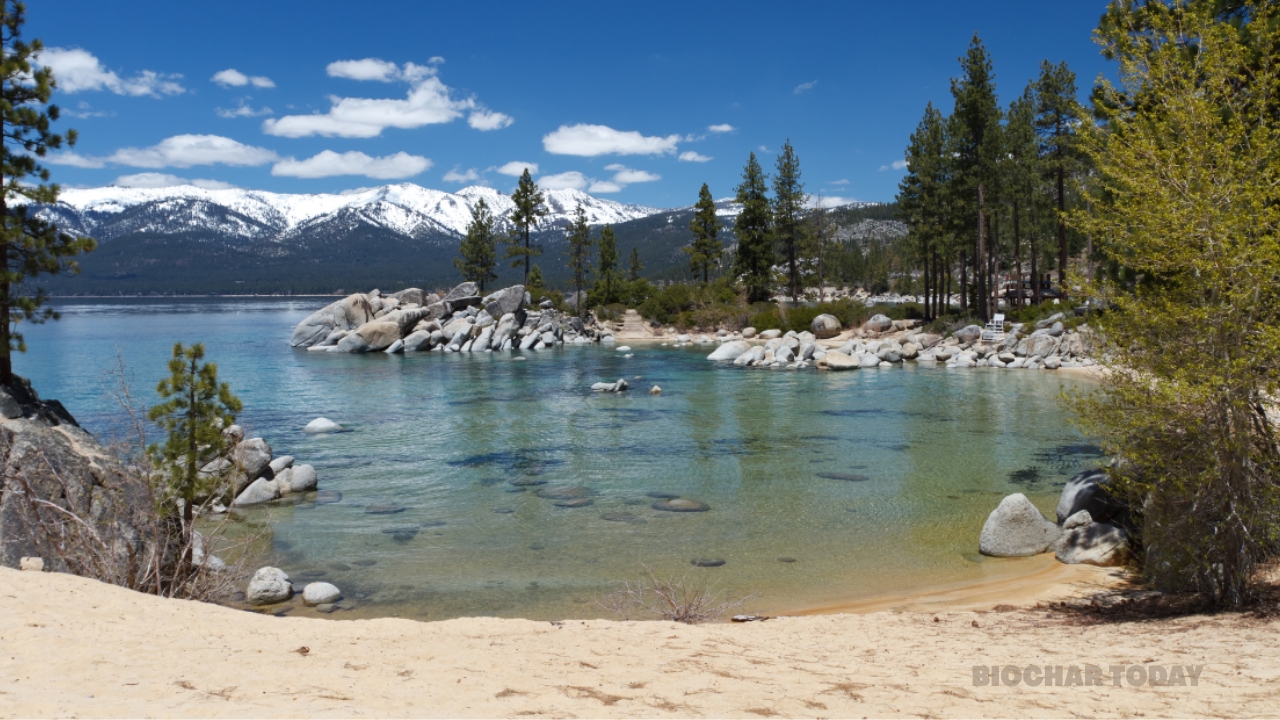
Recent funding from the Lake Tahoe license plate program, managed by the Tahoe Fund in conjunction with public agency partners like the California Tahoe Conservancy and the Nevada Division of State Lands, has catalyzed $1.2 million in new projects across the Lake Tahoe Basin. Among these critical environmental initiatives is a focus on the “Smartest Forest Fund,” which aims to harness innovation to increase the pace and scale of forest restoration. This program specifically targets the health of the Basin’s forests, which face significant threats from wildfire and climate change.
A major challenge for the Lake Tahoe region is the accumulation of woody biomassBiomass is a complex biological organic or non-organic solid product derived from living or recently living organism and available naturally. Various types of wastes such as animal manure, waste paper, sludge and many industrial wastes are also treated as biomass because like natural biomass these More and agricultural residue, which increases fuel loads and wildfire risks. Conventional disposal methods often involve pile burning, which releases carbon into the atmosphere and can damage the soil. Furthermore, maintaining the delicate ecological balance and water clarity of the lake requires sustainable solutions that improve soil health while sequestering carbon.
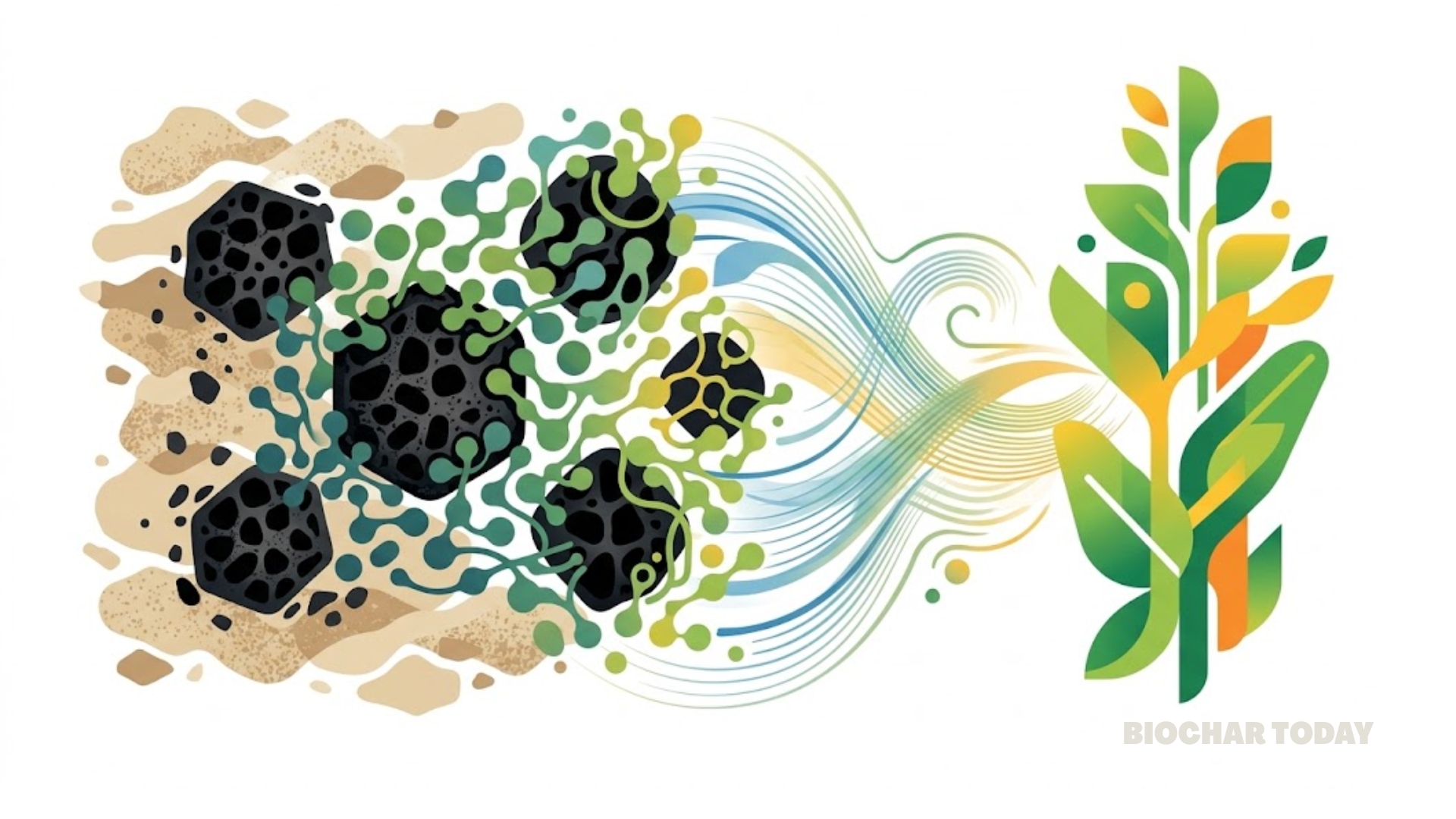
To address these issues, the Tahoe Fund is supporting research and implementation of biocharBiochar is a carbon-rich material created from biomass decomposition in low-oxygen conditions. It has important applications in environmental remediation, soil improvement, agriculture, carbon sequestration, energy storage, and sustainable materials, promoting efficiency and reducing waste in various contexts while addressing climate change challenges. More as a soil amendmentA soil amendment is any material added to the soil to enhance its physical or chemical properties, improving its suitability for plant growth. Biochar is considered a soil amendment as it can improve soil structure, water retention, nutrient availability, and microbial activity. More and carbon sequestration tool. By converting excess biomass into biochar, the program provides a stable form of carbon that can be returned to the forest floor. This solution not only mitigates wildfire risk by removing fuel but also enhances the soil’s moisture retention and nutrient-holding capacity, which is vital for the survival of native vegetation in the Basin.
The outcomes of these license plate-funded projects include enhanced forest resilience and improved water quality protection. By integrating biochar into restoration efforts, the Tahoe Fund and its partners are establishing a circular model for forest management that turns waste into a valuable ecological resource. These investments ensure that the Tahoe Basin remains a world-class natural treasure while demonstrating how localized funding can drive significant environmental progress.




Leave a Reply