
Key Takeaways
- Agricultural banana peel waste is converted into a useful carbon material to help clean pharmaceutical pollution from water.
- The newly developed composite material removes 91 percent of the steroid medicine prednisolone within three hours under natural sunlight.
- This treatment system is more effective than traditional methods because it uses solar energy and produces no harmful secondary waste.
- The cleaning material is durable and can be reused at least five times while still maintaining high performance.
- Harmful drug residues are broken down into safe substances like water and carbon dioxide during the treatment process.
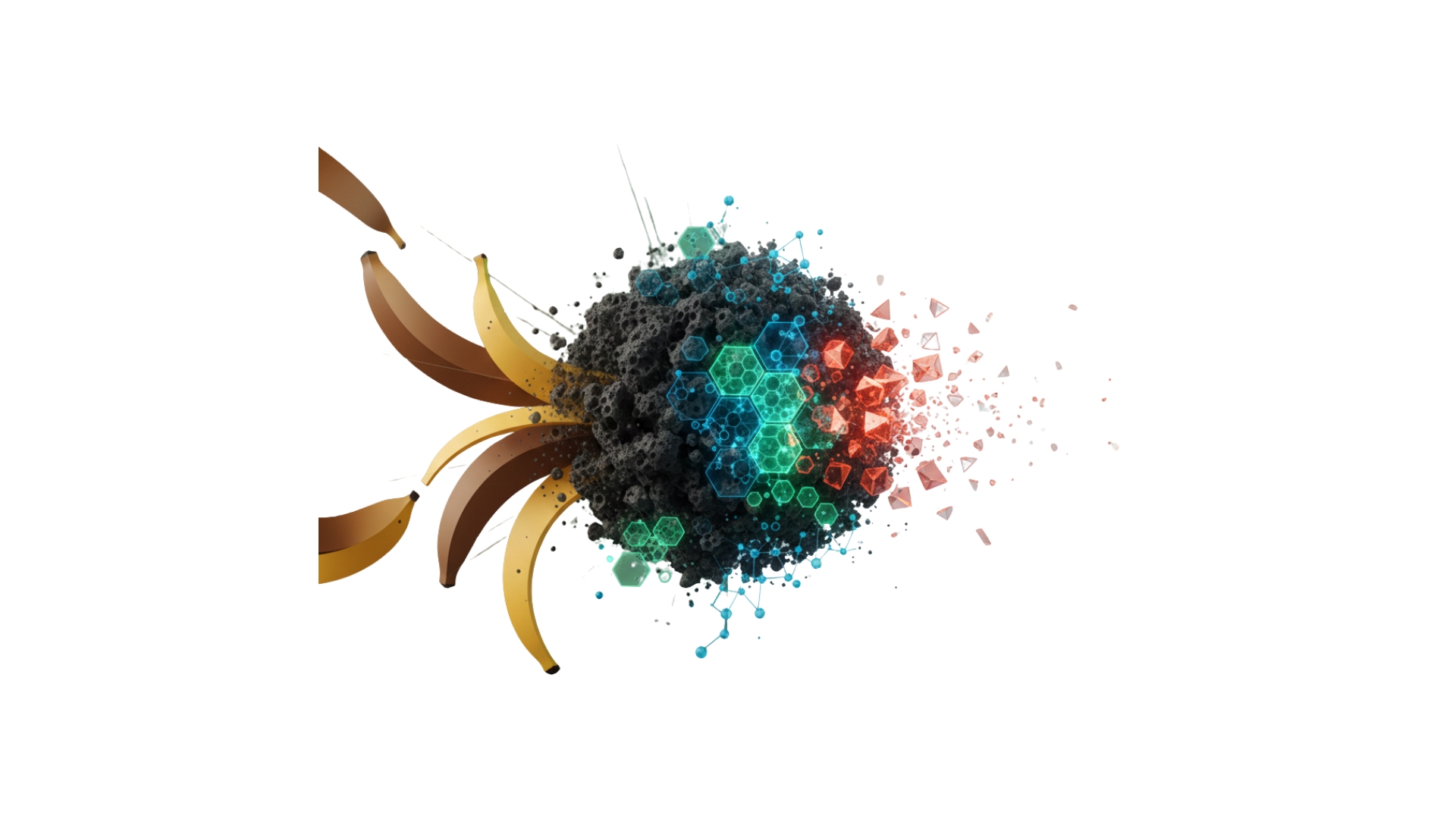
In a recent study published in the journal ACS Sustainable Resource Management, authors Mano Ranjan Barik, Ankita Ram, and Sushanta Kumar Badamali demonstrate how agricultural waste can be transformed into a high-performance environmental solution. The research team successfully converted banana peels into biocharBiochar is a carbon-rich material created from biomass decomposition in low-oxygen conditions. It has important applications in environmental remediation, soil improvement, agriculture, carbon sequestration, energy storage, and sustainable materials, promoting efficiency and reducing waste in various contexts while addressing climate change challenges. More and integrated it with other advanced materials to create a powerful tool for water purification. This specific combination was designed to tackle prednisolone, a common synthetic steroid used to treat inflammatory diseases. While beneficial for human health, prednisolone often enters water bodies through waste, where it can accumulate and harm aquatic life.
The new material, referred to as a ternary nanocomposite, works by capturing energy from sunlight to trigger chemical reactions that break down pollutants. When sunlight hits the composite, it creates reactive particles that attack the chemical structure of the steroid. The researchers found that their specific formula was significantly more effective than using any of its ingredients alone. For instance, while the primary light-absorbing component could remove about 56 percent of the pollutant, adding carbon layers and banana peel biochar boosted that efficiency to 91 percent. This improvement is due to the way the different materials work together; the carbon layers act like high-speed highways for electrons, preventing them from losing energy before they can clean the water.
Testing showed that the amount of the cleaning material used matters significantly for the best results. The study found an optimal balance where 2 grams per liter of water provided the best performance. Adding too much of the material actually made the process less efficient because the extra particles clumped together and blocked sunlight from reaching the active spots. Similarly, the concentration of the pollutant itself affects how well the system works. The material was most effective at lower concentrations, which are typical of the levels actually found in the environment. At these levels, there were plenty of active sites on the composite surface to capture and destroy the medicine molecules.
Environmental scientists are often concerned about whether water treatment materials can be used more than once. This study confirmed that the banana peel composite is remarkably durable. After five full cycles of cleaning contaminated water, the material still maintained an 81 percent removal rate, a relatively small drop from its initial performance. This stability suggests that the material could be a practical and cost-effective option for long-term use in real-world water treatment plants. Furthermore, the researchers tracked how the prednisolone broke down, finding that it was eventually converted into harmless substances like water and carbon dioxide.
The success of this approach highlights a waste-to-wealth strategy that solves two environmental problems at once. It provides a productive use for the massive amounts of banana peels generated by the food industry while offering a low-cost method to remove dangerous pharmaceuticals from our water supply. Because the system relies on natural sunlight rather than expensive ultraviolet lamps or harsh chemicals, it represents a significant step toward greener, more sustainable environmental protection technologies. This research paves the way for using other types of organic waste to create advanced materials that can help keep our planet’s water resources safe for future generations.
Source: Barik, M. R., Ram, A., & Badamali, S. K. (2025). Sustainable valorization of banana peel waste into a biochar-integrated BiOBr/rGO ternary nanocomposite for photocatalytic decomposition of prednisolone. ACS Sustainable Resource Management.



Leave a Reply