

Key Takeaways
- Scientists used walnut shells to create a high-performance material that helps turn old plastic farm films into valuable chemicals.
- Adjusting the processing temperature to exactly 350 degrees Celsius maximizes the production of useful ingredients for making new plastics.
- Running the process at a slightly higher temperature of 400 degrees Celsius makes the equipment much easier to clean and reuse.
- This new method provides a double benefit by recycling both agricultural wood waste and plastic trash at the same time.
- The research helps solve the problem of “sticky” leftovers that usually clog up recycling machinery and stop it from working.
The persistent environmental pollution caused by waste plastic mulch film has become a significant global ecological challenge, particularly in major agricultural regions like China, Europe, and the United States. In a study published in the journal Sustainable Carbon Materials, lead author Chentao Tan and a team of researchers from Shihezi University and other institutions investigated a sustainable chemical recycling method known as ex-situ catalytic pyrolysisPyrolysis is a thermochemical process that converts waste biomass into bio-char, bio-oil, and pyro-gas. It offers significant advantages in waste valorization, turning low-value materials into economically valuable resources. Its versatility allows for tailored products based on operational conditions, presenting itself as a cost-effective and efficient More. This process breaks down long-chain plastic polymers into smaller, high-value organic molecules that can serve as liquid fuels or chemical raw materials. To make this process more efficient and sustainable, the team developed a specialized catalyst using phosphoric acid-activated walnut shells, effectively turning two different types of waste into a functional resource for the circular economy.
The central focus of the research was the decisive role that temperature plays in governing what the plastic turns into and how long the catalyst remains effective. Using a microwave-assisted reactor system, the scientists tested three specific temperatures for the catalytic bed: 300, 350, and 400 degrees Celsius. They discovered a critical trade-off between the quality of the final product and the maintenance of the machinery. At the middle temperature of 350 degrees Celsius, the system achieved its highest performance in terms of product value, reaching a 69% selectivity for olefins. Olefins are highly sought-after primary building blocks in the chemical industry used to manufacture a wide variety of modern materials. However, while this temperature was excellent for production, it also triggered a side reaction called in-situ esterification. This chemical process created oxygen-containing tar that stuck to the catalyst, causing a phenomenon known as chemical deactivation.
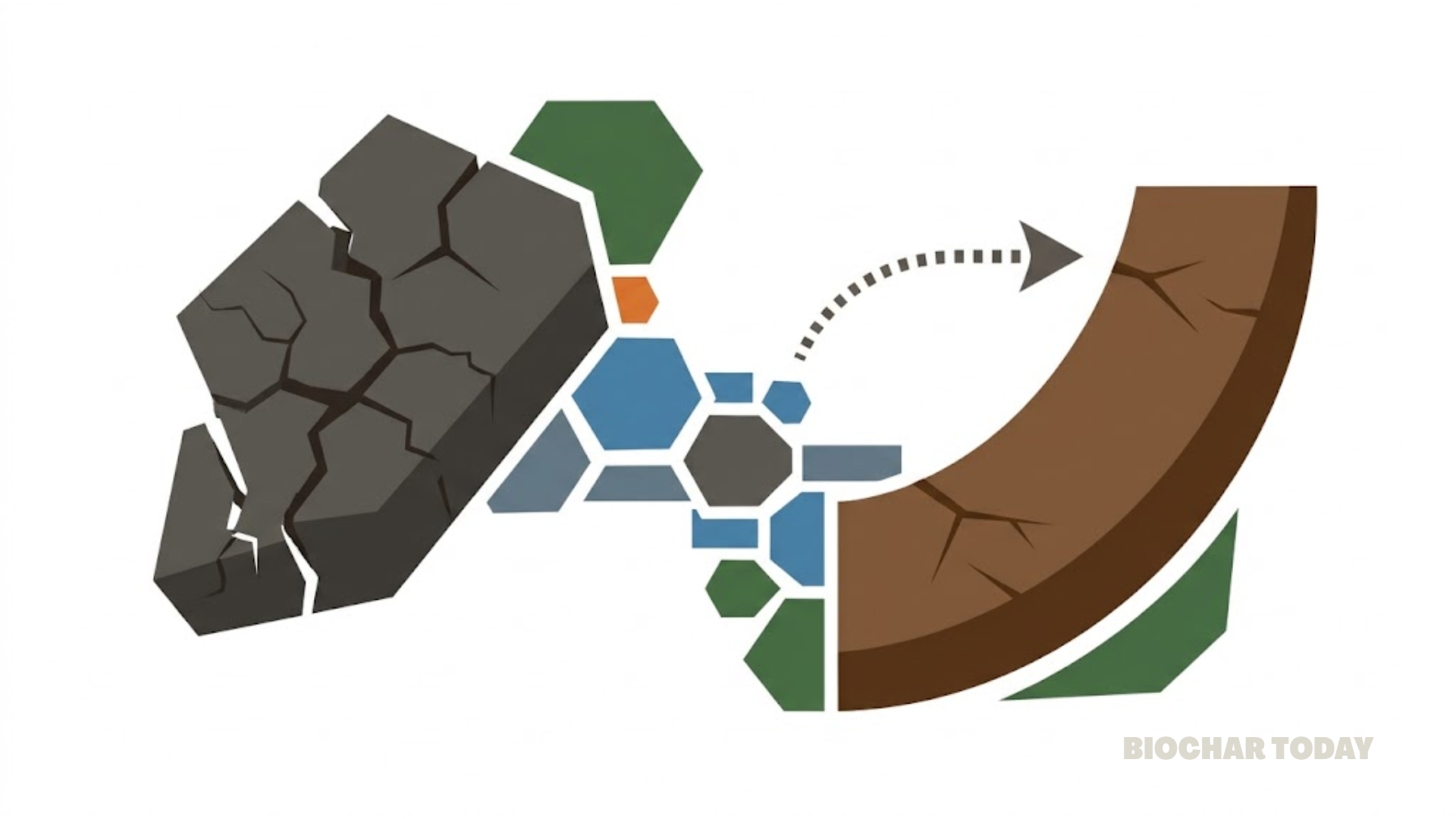
When the researchers increased the temperature to 400 degrees Celsius, the chemical behavior of the system changed significantly. At this higher heat, the production of aromatic compounds increased to 18%, and the nature of the “coke” or tar leftovers was transformed. Instead of the stubborn, sticky film seen at lower temperatures, the carbon deposits evolved into a highly reactive, oxygen-doped structure. The study utilized advanced kinetic analysis to measure the “apparent activation energy,” which is essentially a measure of how much effort is needed to trigger a reaction. They found that the tar formed at 400 degrees Celsius had the lowest energy barrier, between 40 and 50 kilojoules per mole, compared to the much higher 60 kilojoules per mole required at 300 degrees Celsius. This quantitative data proves that the higher temperature makes the catalyst much easier to regenerate, or clean, so it can be used over and over again.
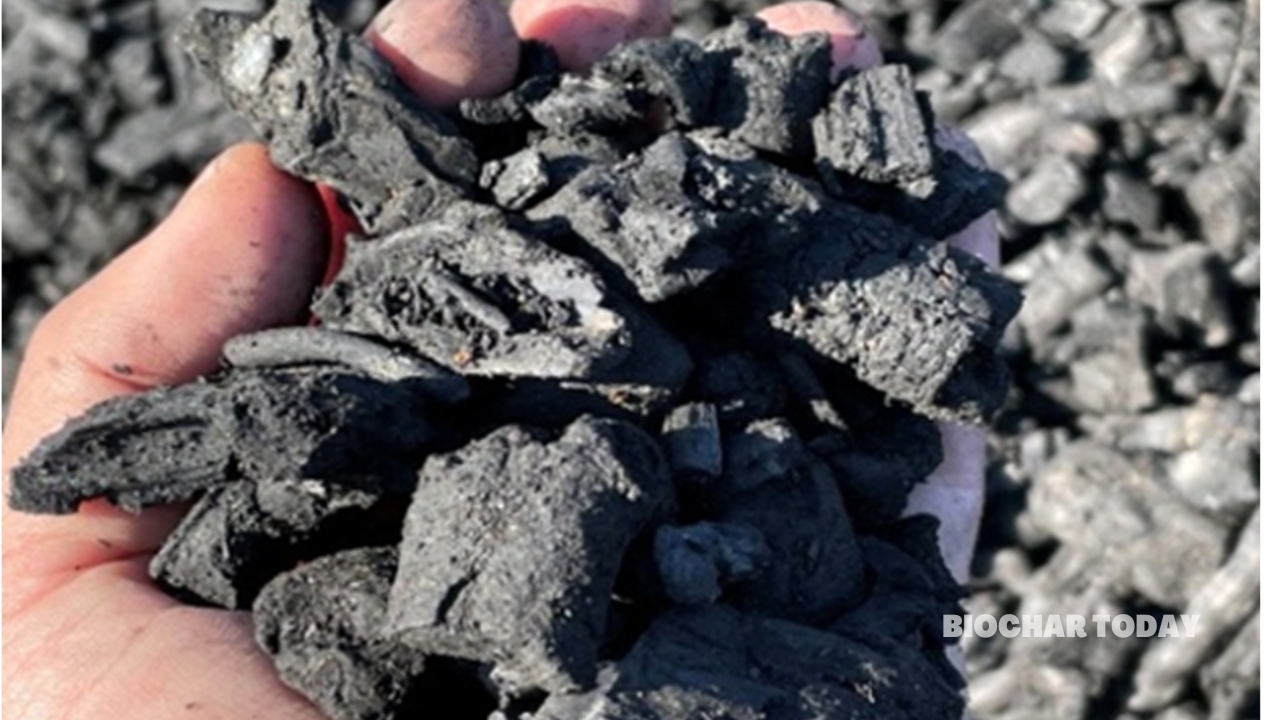
These findings provide a vital roadmap for the future of plastic upcycling. By understanding that 350 degrees Celsius is the “sweet spot” for making the best product, while 400 degrees Celsius is better for keeping the equipment running smoothly, engineers can design better recycling plants. The research also highlighted how the biocharBiochar is a carbon-rich material created from biomass decomposition in low-oxygen conditions. It has important applications in environmental remediation, soil improvement, agriculture, carbon sequestration, energy storage, and sustainable materials, promoting efficiency and reducing waste in various contexts while addressing climate change challenges. More derived from walnut shells acts as an excellent carrier for these reactions due to its large surface area and strong structure. Even though the pores of the biochar can become clogged by tar, knowing the exact chemical and thermal conditions that cause this clogging allows for the development of “self-cleaning” or easily regenerable systems. This multidimensional approach—linking the temperature to the chemistry of the leftovers and the speed of the reaction—marks a major step forward in making large-scale plastic recycling both technically possible and economically stable.
Source: Tan, C., Lan, X., Chen, X., Wang, Y., Dai, L., Huo, E., Gou, H., Jiang, Y., Zhang, J., Zhang, Y., Yan, H., & Zhao, Y. (2026). Controlling catalyst deactivation: temperature regulation for the directed synthesis of easily regenerable and refractory tar in the pyrolysis of waste films. Sustainable Carbon Materials, 2, e008.



Leave a Reply