
Key Takeaways
- The addition of biodegradable microplastics to biocharBiochar is a carbon-rich material created from biomass decomposition in low-oxygen conditions. It has important applications in environmental remediation, soil improvement, agriculture, carbon sequestration, energy storage, and sustainable materials, promoting efficiency and reducing waste in various contexts while addressing climate change challenges. More in the soil helps lock away harmful cadmium so that plants do not absorb as much of it.
- While this combination helps clean up heavy metals in the soil it can also slow down the overall growth and height of the vegetables.
- Sugarcane bagasse biochar is the most effective type when paired with these plastics for reducing the amount of metal that reaches the edible parts of the plant.
- The process works by encouraging soil microbes to create natural chelating agents that trap the cadmium and keep it away from the plant roots.
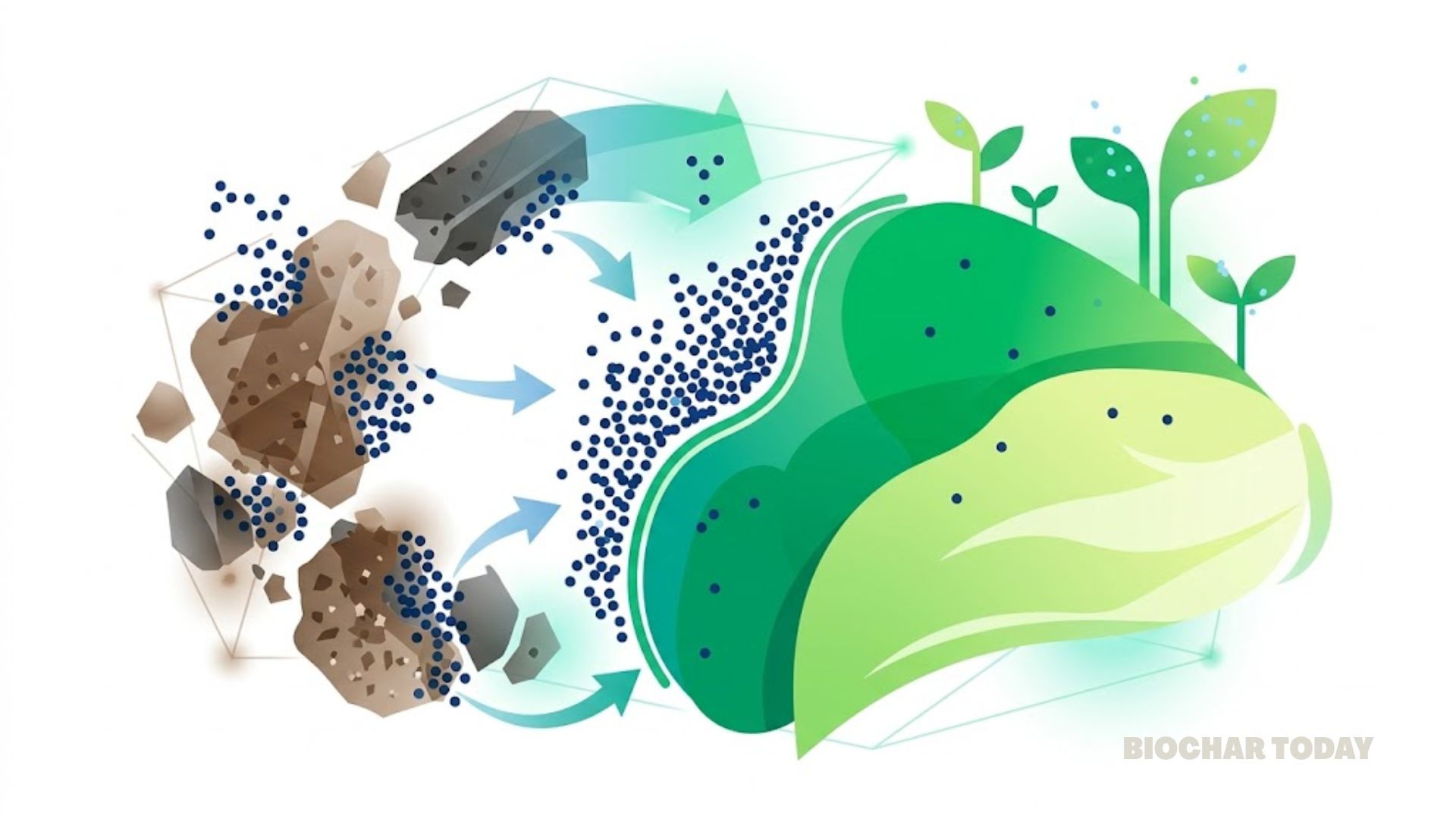
A recent study published in the journal Biochar by authors Meng Zhao, Guoyuan Zou, and their research team explores the complex interactions between agricultural waste products and emerging pollutants. The investigation focuses on how polylactic acid microplastics, which are often thought of as simple contaminants, can actually work in tandem with various types of biochar to influence the environmental behavior of heavy metals like cadmium. Specifically, the researchers looked at how these materials affect the growth of Chinese cabbage and the chemical makeup of the surrounding soil. By using sugarcane bagasse, coffee husks, and rapeseed straw to create different biochars, the study provides a comprehensive look at how specific combinations can either help or hinder the safety and health of leafy vegetables grown in contaminated environments.
The findings indicate that while applying biochar alone generally improves the growth and development of Chinese cabbage, the introduction of biodegradable microplastics creates a more nuanced set of results. Biochar acts as a beneficial soil amendmentA soil amendment is any material added to the soil to enhance its physical or chemical properties, improving its suitability for plant growth. Biochar is considered a soil amendment as it can improve soil structure, water retention, nutrient availability, and microbial activity. More because of its porous structure and alkaline nature, which can fix harmful substances and provide essential minerals to the soil. However, when polylactic acid microplastics are added to the mix, they undergo a decomposition process that releases lactic acid into the soil. This chemical change leads to a reduction in soil pHpH is a measure of how acidic or alkaline a substance is. A pH of 7 is neutral, while lower pH values indicate acidity and higher values indicate alkalinity. Biochars are normally alkaline and can influence soil pH, often increasing it, which can be beneficial More and can interfere with the availability of essential nutrients like phosphorus and potassium. Consequently, the researchers observed that plants grown in soil containing both biochar and microplastics were generally smaller and had lower chlorophyll content than those treated with biochar alone.
Despite the suppression of plant growth, the combination of microplastics and biochar yielded a significant positive result regarding food safety. The study revealed that this pairing actually enhanced the ability of the soil system to prevent cadmium from entering the plant tissues. In the most successful scenario, which involved sugarcane bagasse biochar and polylactic acid, the accumulation of cadmium in the cabbage was reduced by up to forty-two percent. This level is particularly important because it brings the heavy metal content well below the established safety limits for food products. The researchers found that the microplastics provided a unique carbon source that altered the rhizosphere environment, creating a specialized chemical barrier that trapped cadmium ions before they could be absorbed by the vegetable roots.
The underlying mechanism for this reduction in metal uptake is rooted in the stimulation of soil metabolites and microbial activity. The presence of biodegradable microplastics encouraged the formation of specific organic compounds known as iridoterpenoids and chelating agents like malic acid. These substances act like chemical claws that bind tightly to cadmium ions, effectively locking them in the soil. Furthermore, the study showed that the microplastics drove changes in the bacterial community, increasing the abundance of certain bacteria that are highly resistant to metals. These microbes participate in carbon and nitrogen cycles that further promote the fixation of cadmium into stable, insoluble forms. This suggests that the degradation of plastic mulch in the field might have unexpected benefits for remediating soil contaminated with heavy metals.
Ultimately, this research highlights a potential new strategy for managing heavy metal pollution in agricultural soils using co-pyrolyzed biochar. While the reduction in crop yield remains a concern that needs to be addressed, the significant decrease in toxic metal accumulation offers a promising path for improving the safety of crops grown in high-risk areas. The study emphasizes that the type of biochar used is a critical factor, with sugarcane bagasse showing the most prominent effect in this specific chemical synergy. As biodegradable plastics become more common in modern farming, understanding these interactions becomes essential for developing effective pollution control strategies that protect both the environment and human health through the food chain.
Source: Zhao, M., Zou, G., Li, Y., Pan, B., Wang, X., Zhang, J., Xu, L., Li, C., & Chen, Y. (2025). Biodegradable microplastics coupled with biochar enhance Cd chelation and reduce Cd accumulation in Chinese cabbage. Biochar, 7(31).



Leave a Reply