
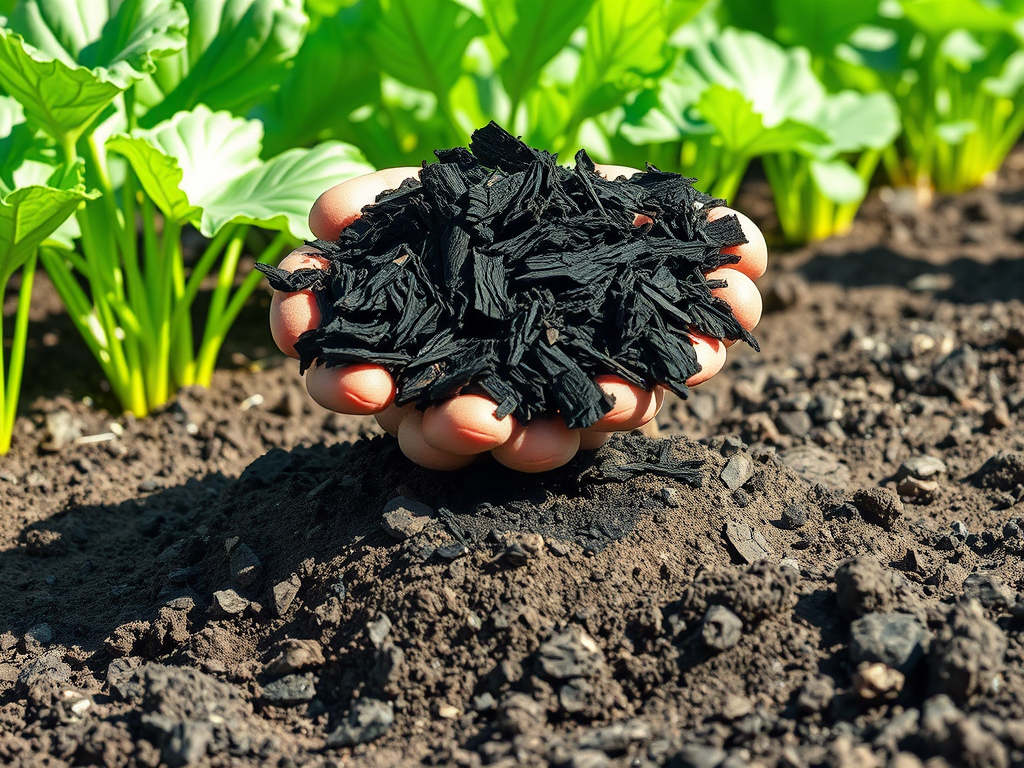
Borges et al., published a study in Water, Air, & Soil Pollution that explores the use of biocharBiochar is a carbon-rich material created from biomass decomposition in low-oxygen conditions. It has important applications in environmental remediation, soil improvement, agriculture, carbon sequestration, energy storage, and sustainable materials, promoting efficiency and reducing waste in various contexts while addressing climate change challenges. More derived from spent lime (SL), a byproduct of the sugar beet industry, to remediate soil contaminated with zinc (Zn) and cadmium (Cd). The research indicates that this SL-biochar is effective in reducing the exchangeable fractions of these heavy metals in contaminated soil.
Soil contamination from industrial activities like mining and smelting introduces heavy metals such as zinc and cadmium, posing significant environmental and health risks. Biochar, produced from biomassBiomass is a complex biological organic or non-organic solid product derived from living or recently living organism and available naturally. Various types of wastes such as animal manure, waste paper, sludge and many industrial wastes are also treated as biomass because like natural biomass these More pyrolysisPyrolysis is a thermochemical process that converts waste biomass into bio-char, bio-oil, and pyro-gas. It offers significant advantages in waste valorization, turning low-value materials into economically valuable resources. Its versatility allows for tailored products based on operational conditions, presenting itself as a cost-effective and efficient More, is gaining recognition as a promising material for soil remediation.
In this study, the authors utilized spent lime from the sugar beet-processing industry to create biochar. The SL-biochar was shown to reduce exchangeable Zn and Cd fractions in contaminated soil, with the biochar produced under oxidizing conditions leading to reductions of 3% for Zn and 20% for Cd.
This research suggests that SL-biochar can effectively immobilize heavy metals in contaminated soils, offering a potential solution for soil remediation.
SOURCE: Borges, R., Soares, M. B., Pollo, M. P., Alleoni, L. R. F., Giroto, A. S., Gonçalves, M., Müller, M., Jablonowski, N. D., & Ribeiro, C. (2025). Zinc and Cadmium Remediation in Contaminated Soil by CaCO3-Biochar Material from Sugar Beet Industry. Water Air Soil Pollut, 236, 325.


![Eucalyptus Wood Waste-Derived Biochar Achieves a Ninety-Eight Percent Removal Efficiency for Benzo[ghi]perylene in Vehicle-Wash Wastewater](https://biochartoday.com/wp-content/uploads/2026/10/SCIENCE-BLOGS-2026-2026-10-19T160523.703.jpg)


Leave a Reply