
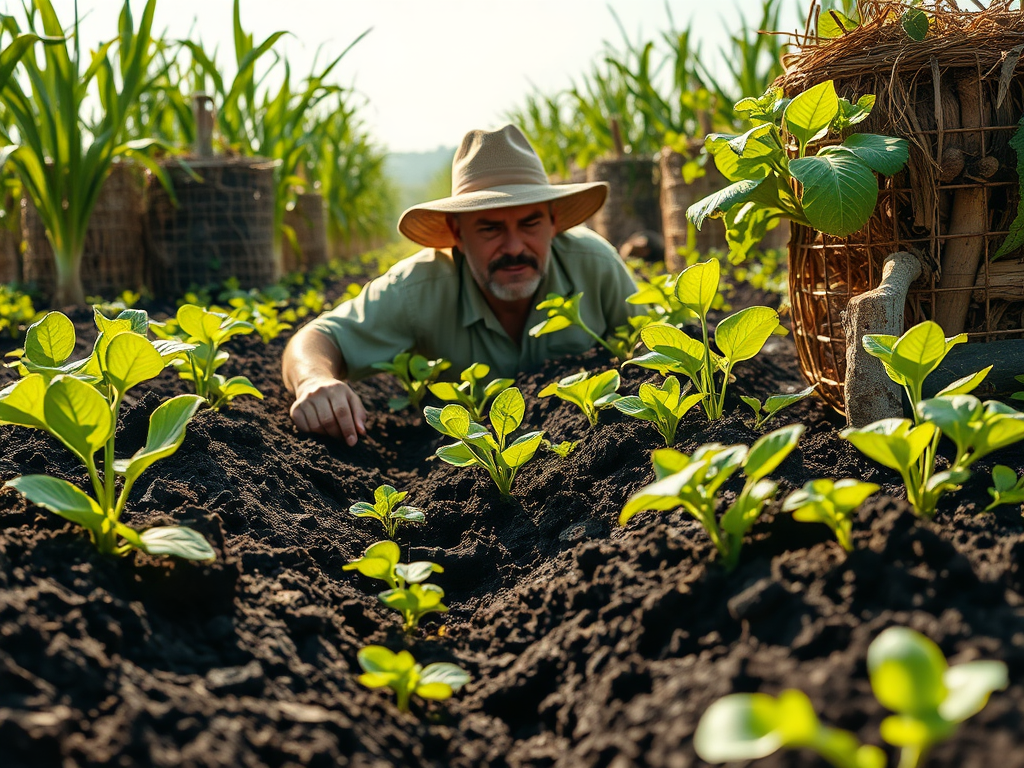
In a recent review published in GCB Bioenergy, Dominika Janiszewska-Latterini and her co-authors explored the social factors influencing the adoption of biocharBiochar is a carbon-rich material created from biomass decomposition in low-oxygen conditions. It has important applications in environmental remediation, soil improvement, agriculture, carbon sequestration, energy storage, and sustainable materials, promoting efficiency and reducing waste in various contexts while addressing climate change challenges. More in the agricultural and forestry sectors. Biochar is a carbon-rich material created by heating organic matter like crop residue and wood biomassBiomass is a complex biological organic or non-organic solid product derived from living or recently living organism and available naturally. Various types of wastes such as animal manure, waste paper, sludge and many industrial wastes are also treated as biomass because like natural biomass these More in a process called pyrolysisPyrolysis is a thermochemical process that converts waste biomass into bio-char, bio-oil, and pyro-gas. It offers significant advantages in waste valorization, turning low-value materials into economically valuable resources. Its versatility allows for tailored products based on operational conditions, presenting itself as a cost-effective and efficient More. This process creates a stable form of carbon that, when added to soil, can improve its properties, enhance crop yields, and help mitigate climate change. However, the widespread adoption of biochar is hindered by a significant lack of social awareness, particularly in industrialized nations.
The review, which analyzed 29 sources, including scientific papers, theses, and reports, found that while there has been extensive technical research on biochar, a major barrier to its use is that many potential users—especially farmers—are simply unfamiliar with it. For example, a 2013 survey in Australia found that biochar was among the least favored carbon sequestration options, likely due to a limited understanding of its benefits. Similarly, in Northern Italy, a lack of familiarity with biochar resulted in it ranking low among innovative soil management strategies. In a 2017 survey in Norway, 95% of farmers had never produced biochar, and over 80% had limited knowledge of the material.
The authors point out several social and cultural barriers that contribute to this lack of adoption. Farmer skepticism and resistance to new ideas are common. High production costs and insufficient infrastructure, such as production equipment and storage space, also present significant challenges. For instance, a study in Finland identified awareness gaps along the value chain, particularly concerning practical research and conversion technologies, as the main obstacles. Additionally, the lack of government incentives and a clear regulatory framework further exacerbates the problem. The “invisibility” of biochar, once integrated into the soil, may also make it less appealing to non-technical stakeholders who prefer more visibly impactful projects like large-scale solar panel installations.
Conversely, studies from lower-income countries suggest a different dynamic. In these regions, small-scale, cost-effective biochar production systems may be more promising. For instance, a participatory trial in Ghana showed a 93% increase in lettuce yield, leading to significant enthusiasm from farmers who found the production kiln easy to use. This success was largely due to the wide availability of feedstockFeedstock refers to the raw organic material used to produce biochar. This can include a wide range of materials, such as wood chips, agricultural residues, and animal manure. More, such as rice husks, and the simplicity of the production technology. In Bangladesh, farmers reported up to a 60% yield increase in cabbage and kohlrabi crops after using biochar and expressed a high willingness to adopt the practice.
However, challenges still exist in these regions. A survey in Thailand found that local farmers were not familiar enough with biochar to use it as a fertilizer. In parts of Africa, people often view biochar as an energy source for cooking rather than a soil amendmentA soil amendment is any material added to the soil to enhance its physical or chemical properties, improving its suitability for plant growth. Biochar is considered a soil amendment as it can improve soil structure, water retention, nutrient availability, and microbial activity. More. The initial cost of pyrolysis units also remains a barrier, despite external grants and training programs.
To bridge the gap in social awareness and encourage wider adoption, the authors suggest several strategies. Public subsidies and the development of a stable carbon market could provide essential financial incentives. Targeted education programs and on-farm demonstrations, particularly for younger farmers and women, are crucial for building trust and self-assurance. Clear and comprehensive regulations and guidelines are also needed to reduce uncertainty and encourage use. Finally, involving local communities and leveraging the testimonials of early adopters can help build trust and acceptance. The review emphasizes the urgent need for further research, especially using the Social Life Cycle Assessment (S-LCA) methodology, to fully understand the societal implications of biochar and pave the way for its widespread, sustainable implementation.
Source: Janiszewska-Latterini, D., Ortigueira, J., Augustyniak-Wysocka, D., Leszczyszyn, E., Lopes, T. F., Gościańska-Łowińska, J., & Nobre, C. (2025). Social awareness as a catalyst for biochar adoption in the agricultural and forestry sectors. GCB Bioenergy, 17(1), e70077.



Leave a Reply