
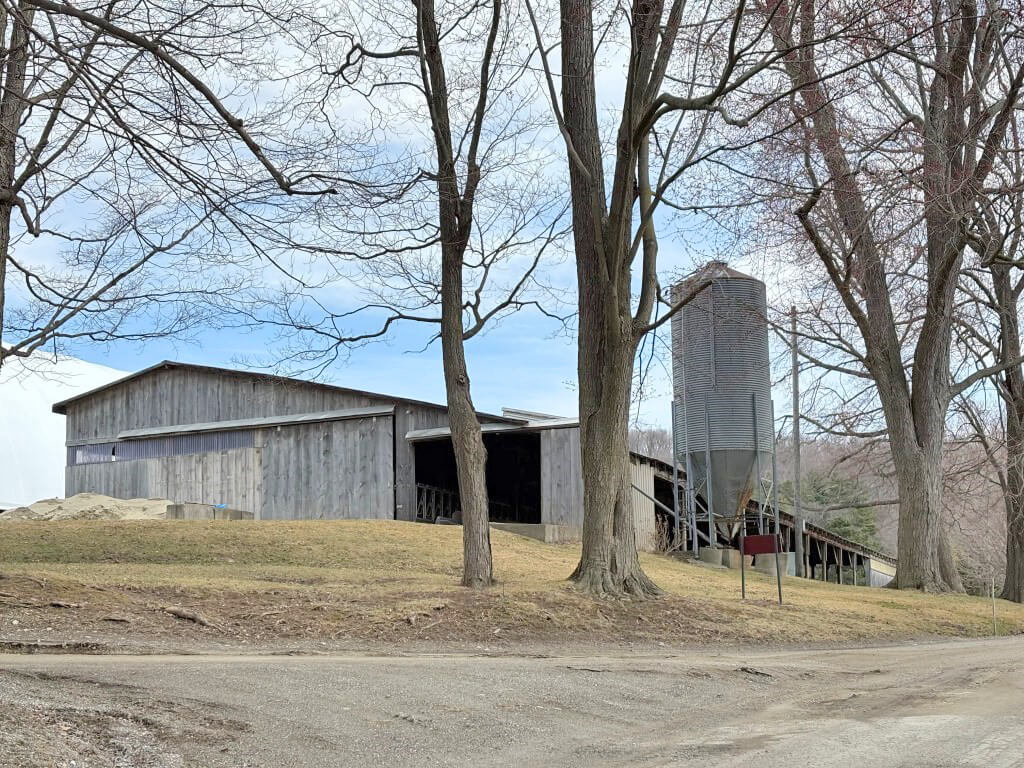
Shelburne Farms has adopted biocharBiochar is a carbon-rich material created from biomass decomposition in low-oxygen conditions. It has important applications in environmental remediation, soil improvement, agriculture, carbon sequestration, energy storage, and sustainable materials, promoting efficiency and reducing waste in various contexts while addressing climate change challenges. More as part of a broader decarbonization strategy in its dairy operations. The farm, which manages 110 milking cows on 1,400 acres, is applying biochar—produced via pyrolysisPyrolysis is a thermochemical process that converts waste biomass into bio-char, bio-oil, and pyro-gas. It offers significant advantages in waste valorization, turning low-value materials into economically valuable resources. Its versatility allows for tailored products based on operational conditions, presenting itself as a cost-effective and efficient More from organic biomass—to manure pits to mitigate methane emissions and ammonia-related odors. Methane from livestock operations accounts for over 16% of Vermont’s greenhouse gas emissions, according to state data.
Read more: Shelburne Farms Biochar Pilot: 110-Cow Dairy Integrates Carbon Sequestration Strategy, Targets 2028 Net-Zero GoalThe biochar initiative began four years ago and complements a larger net-zero by 2028 objective. Shelburne’s application of biochar has yielded anecdotal benefits, including improved odor control and enhanced soil fertility. Early qualitative findings indicate potential greenhouse gas reductions, though conclusive emissions data is pending further research.
This pilot is part of Shelburne’s multiphase climate strategy, which includes the transition to electric landscaping equipment, reforestation efforts for increased carbon uptake, and expanded educational initiatives. Stakeholder engagement is a core component, as evidenced by Shelburne’s recent collaborations with the University of Vermont and the Northeast Climate Hub to study smart commodities like biochar.
The farm has applied for additional research funding to generate empirical data on biochar’s efficacy, signaling its continued commitment to sustainable agricultural innovation and its replicability in regional dairy systems.
READ MORE



Leave a Reply