
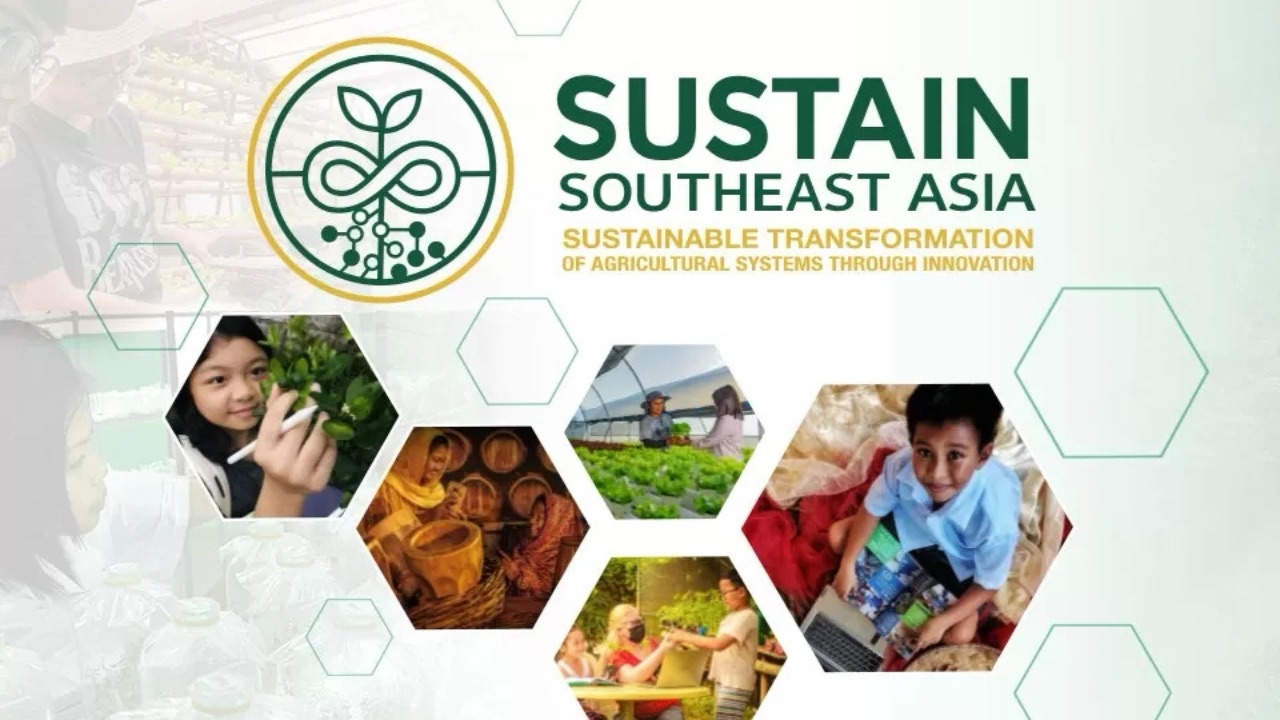
The Southeast Asian Regional Center for Graduate Study and Research in Agriculture (SEARCA) has officially launched a comprehensive five-year development plan aimed at modernizing farming practices across Southeast Asia. Titled “Sustainable Transformation of Agricultural Systems through Innovation in Southeast Asia” (SUSTAIN Southeast Asia), the initiative seeks to integrate research, policy guidance, and practical solutions to enhance productivity and sustainability in the region’s agricultural sector.
The primary challenge addressed by this initiative is the vulnerability of Southeast Asian agricultural systems to climate change and the persistent reliance on outdated farming methods. Farmers in the region often face difficulties in maintaining soil health and productivity while managing agricultural waste. The need to transition toward climate-resilient techniques and technology-driven approaches is critical to ensuring food security and environmental stability in the face of evolving ecological pressures.
To mitigate these issues, SEARCA has introduced several flagship initiatives within the SUSTAIN Southeast Asia plan. A central component is the Rice Straw Biogas Hub in the Philippines, a project designed to convert rice straw—a common agricultural residue—into biocharBiochar is a carbon-rich material created from biomass decomposition in low-oxygen conditions. It has important applications in environmental remediation, soil improvement, agriculture, carbon sequestration, energy storage, and sustainable materials, promoting efficiency and reducing waste in various contexts while addressing climate change challenges. More and compost. This process not only manages waste but also produces materials essential for soil regeneration and clean energy production. Furthermore, the plan includes the expansion of digital agriculture training and collaborative scholarship programs to equip researchers and farmers with skills in genomic science and precision farming.
The expected outcomes of the five-year plan involve the establishment of more resilient, inclusive, and sustainable agricultural systems throughout the region. By empowering communities with scientific advancements and strengthening governance, SEARCA aims to shape a prosperous future for local farmers. The integration of biochar production into these systems is anticipated to improve soil fertility and carbon sequestration capabilities, directly contributing to the region’s carbon neutrality goals.



Leave a Reply