
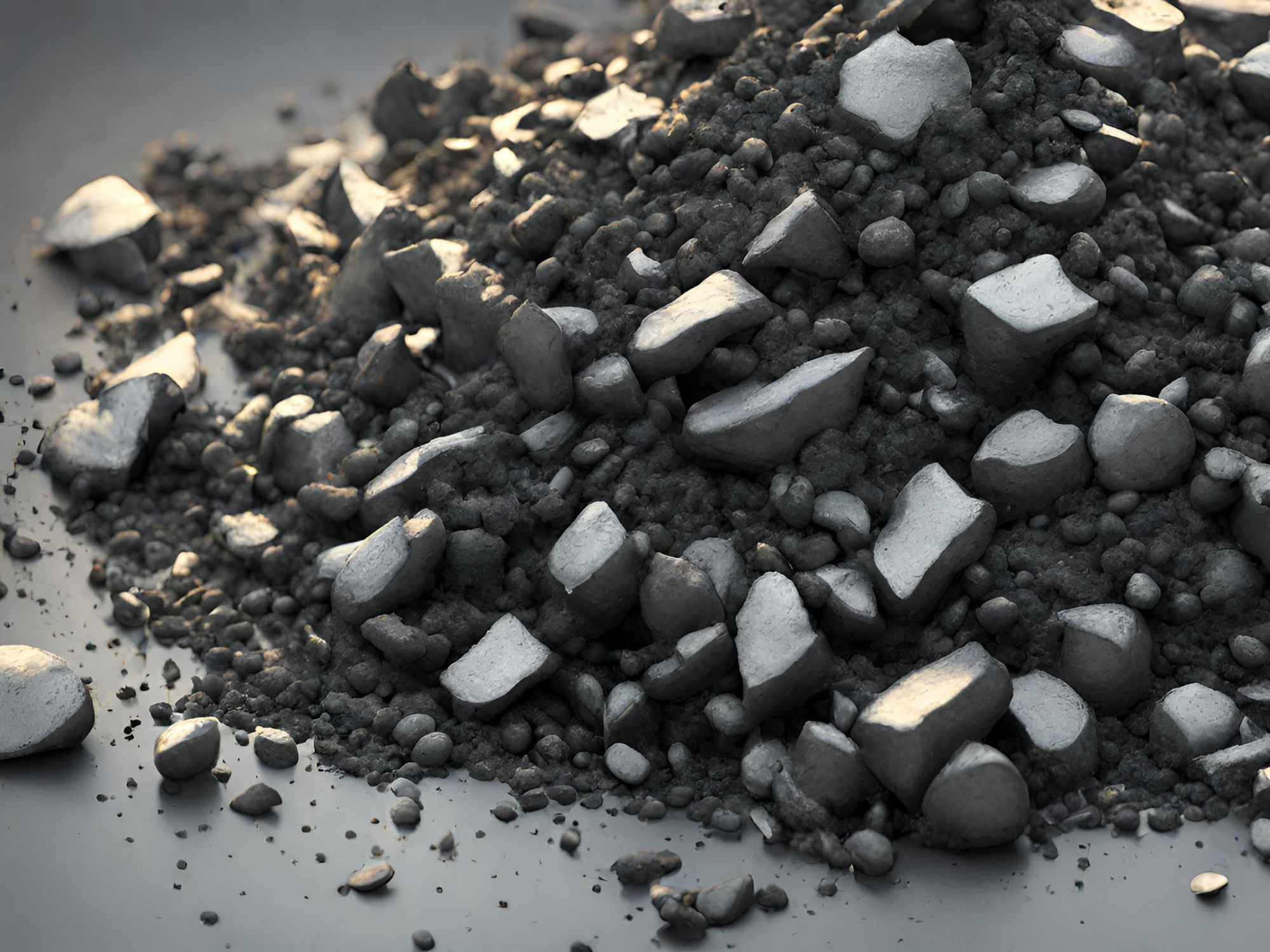
Wu, Feng, et al (2024) Selective Capacitive Removal of Pb2+from Wastewater over BiocharBiochar is a carbon-rich material created from biomass decomposition in low-oxygen conditions. It has important applications in environmental remediation, soil improvement, agriculture, carbon sequestration, energy storage, and sustainable materials, promoting efficiency and reducing waste in various contexts while addressing climate change challenges. More Electrodes by Zinc Regulation. https://doi.org/10.1002/smll.202311401
In a recent study, researchers have addressed a key challenge in using biochar materials for heavy metal removal in capacitive deionization technology (CDI) systems. The issue of low specific capacity and limited removal capability has been tackled through a novel approach—Zn doping to regulate the interfacial/bulk electrochemistry of biochar. The results reveal a substantial increase in renewable capacity (20 mg g−1) and exceptional selective capacitive removal (SCR) efficiency for Pb2+ from leachate, reaching an impressive 99%. This outperforms removal efficiencies for K+ (8%), Na+ (13%), and Cd2+ (37%).
The study demonstrates that Zn doping enhances biochar’s specific capacity by forming M─OH bonds through a reaction with OH− generated by water splitting. The optimization of Zn content also influences the relationship between double-layer capacitance and pseudo-capacitance, leading to varying removal abilities for different heavy metals. This breakthrough not only showcases the potential of Zn-doped biochar for heavy metal removal but also provides crucial insights into charge-storage kinetics. These findings offer valuable guidelines for designing and optimizing biochar electrodes, opening doors to broader environmental applications. This research represents a significant step towards harnessing biochar materials for more effective and sustainable solutions in water treatment technologies.



Leave a Reply