
Chaudhary, H., Rao, K.S. Impact of biocharBiochar is a carbon-rich material created from biomass decomposition in low-oxygen conditions. It has important applications in environmental remediation, soil improvement, agriculture, carbon sequestration, energy storage, and sustainable materials, promoting efficiency and reducing waste in various contexts while addressing climate change challenges. More produced at different pyrolysis conditionsThe conditions under which pyrolysis takes place, such as temperature, heating rate, and residence time, can significantly affect the properties of the biochar produced. More on heavy metal contaminated soil. Environ Geochem Health46, 307 (2024). https://doi.org/10.1007/s10653-024-02092-2
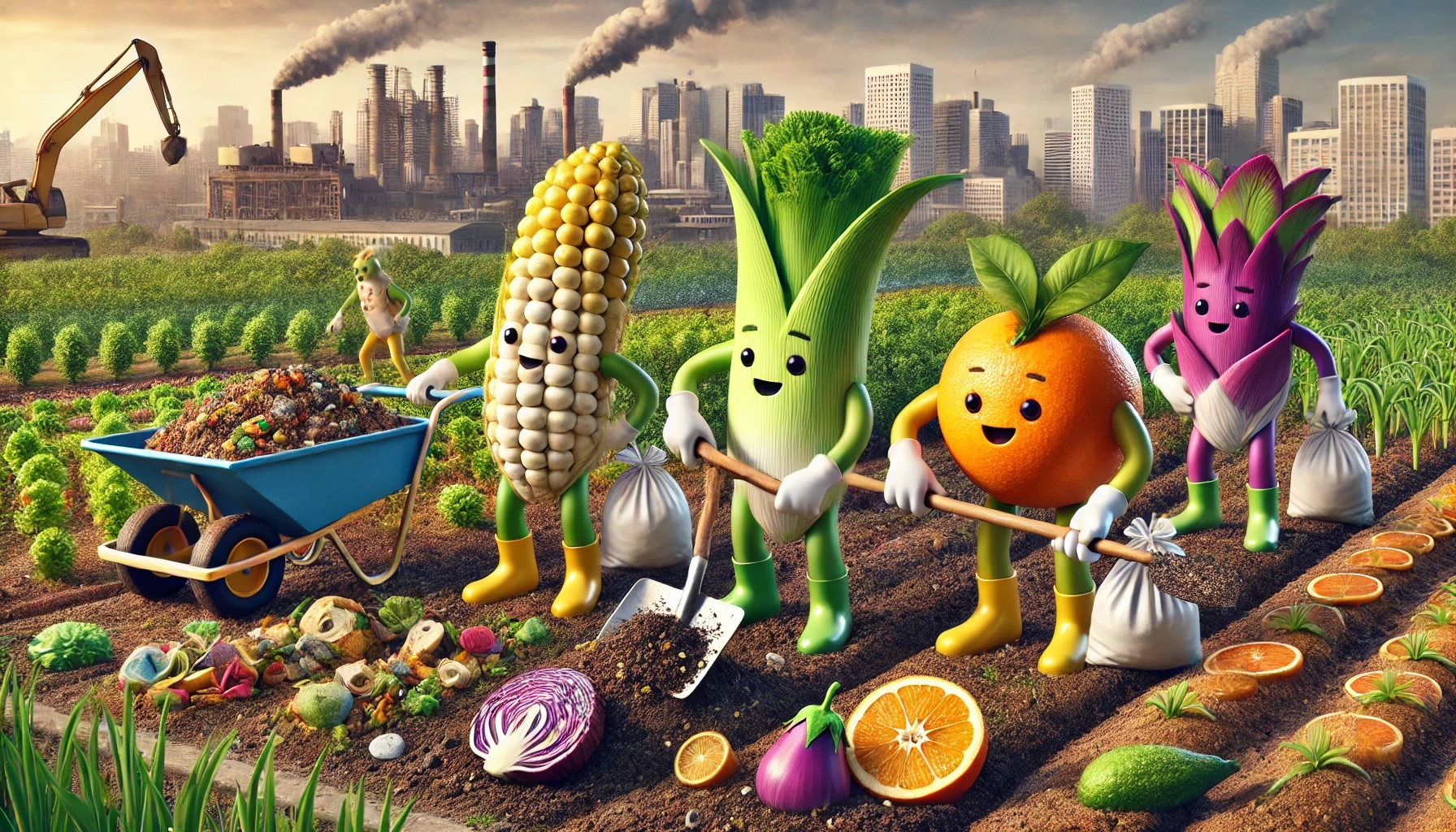
A recent study evaluated the effectiveness of urban-derived biochars from Sugarcane Bagasse (SB), Brinjal Stem (BS), and Citrus Peel (CP) in remediating heavy metal-contaminated soil. Biochars were produced at 450°C and 600°C, and applied to soil contaminated with lead (Pb), copper (Cu), chromium (Cr), and cadmium (Cd). The study measured heavy metal reduction using various extraction methods. Results showed that SB biochar at 450°C was most effective, reducing Cd by 100%, Pb and Cu by 70% in water-soluble forms, and significantly decreasing exchangeable and PBET-extracted forms. BS and CP biochars at 600°C were more effective for TCLP-extracted Pb and Cu. Overall, urban biochars significantly reduced the toxicity of Pb, Cu, and Cd, though not Cr, and converted them to less harmful forms. These findings highlight urban biochar’s potential as a sustainable, cost-effective solution for heavy metal soil pollution and waste management.


Leave a Reply