
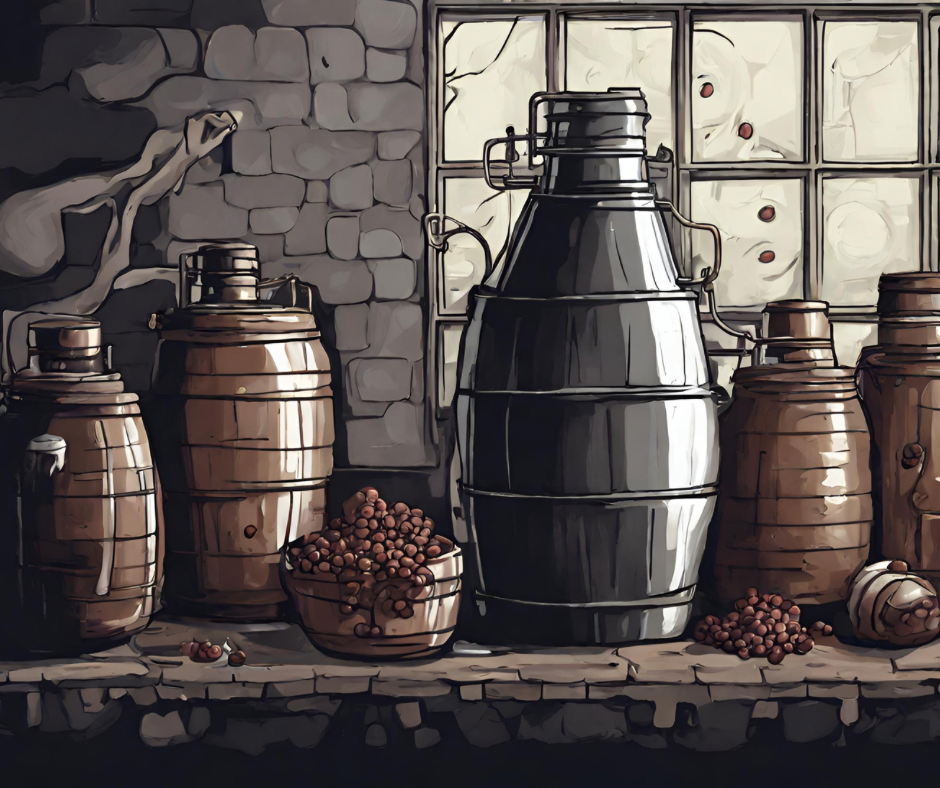

Dark fermentation (DF) stands out as a promising and eco-friendly method for hydrogen (H2) production, yet faces challenges in achieving optimal yields. Enter biochar, the carbon-rich byproduct of biomassBiomass is a complex biological organic or non-organic solid product derived from living or recently living organism and available naturally. Various types of wastes such as animal manure, waste paper, sludge and many industrial wastes are also treated as biomass because like natural biomass these More pyrolysisPyrolysis is a thermochemical process that converts waste biomass into bio-char, bio-oil, and pyro-gas. It offers significant advantages in waste valorization, turning low-value materials into economically valuable resources. Its versatility allows for tailored products based on operational conditions, presenting itself as a cost-effective and efficient More, emerging as a game-changer in intensifying DF processes.
This article delves into the synergy of biochar and DF systems, revealing a holistic review of their integrated technology. Biochar’s physical and chemical attributes, from surface properties to micronutrient content, prove instrumental in influencing hydrogen production. Different biochar amendments exhibit a remarkable 20.72–328.51% increase in hydrogen yield and 26.05–575.41% boost in production rates, showcasing biochar’s potential in improving hydrogenesis performance.
The article uncovers the mechanisms behind biochar’s success: the formation of stable biofilms of hydrogen-producing bacteria, pHpH is a measure of how acidic or alkaline a substance is. A pH of 7 is neutral, while lower pH values indicate acidity and higher values indicate alkalinity. Biochars are normally alkaline and can influence soil pH, often increasing it, which can be beneficial More regulation, enhanced electron transfer, and stimulation of hydrogenase enzymes. Doping biochar with metals/non-metals and combining it with inorganic nanoparticles present additional avenues for enhancing hydrogen yield.
To fully unlock the benefits of biochar in DF, understanding its impact on metabolic pathways, recognizing enhancement mechanisms, and addressing existing barriers are essential. The proposed closed-loop operation promises a future where hydrogen production aligns with enhanced resource utilization, carbon circularity, and a reduced carbon footprint.
In conclusion, biochar emerges as a catalyst for transforming DF into a powerhouse for clean hydrogen production, offering a glimpse into a sustainable energy future.



![Eucalyptus Wood Waste-Derived Biochar Achieves a Ninety-Eight Percent Removal Efficiency for Benzo[ghi]perylene in Vehicle-Wash Wastewater](https://biochartoday.com/wp-content/uploads/2026/10/SCIENCE-BLOGS-2026-2026-10-19T160523.703.jpg)

Leave a Reply