

Article Summary: Chen, et al. (2023) Biotoxicity attenuation and the underlying physicochemical mechanism of biocharBiochar is a carbon-rich material created from biomass decomposition in low-oxygen conditions. It has important applications in environmental remediation, soil improvement, agriculture, carbon sequestration, energy storage, and sustainable materials, promoting efficiency and reducing waste in various contexts while addressing climate change challenges. More aged under simulated natural environmental conditions. Chemosphere, In Press. https://doi.org/10.1016/j.chemosphere.2023.141029
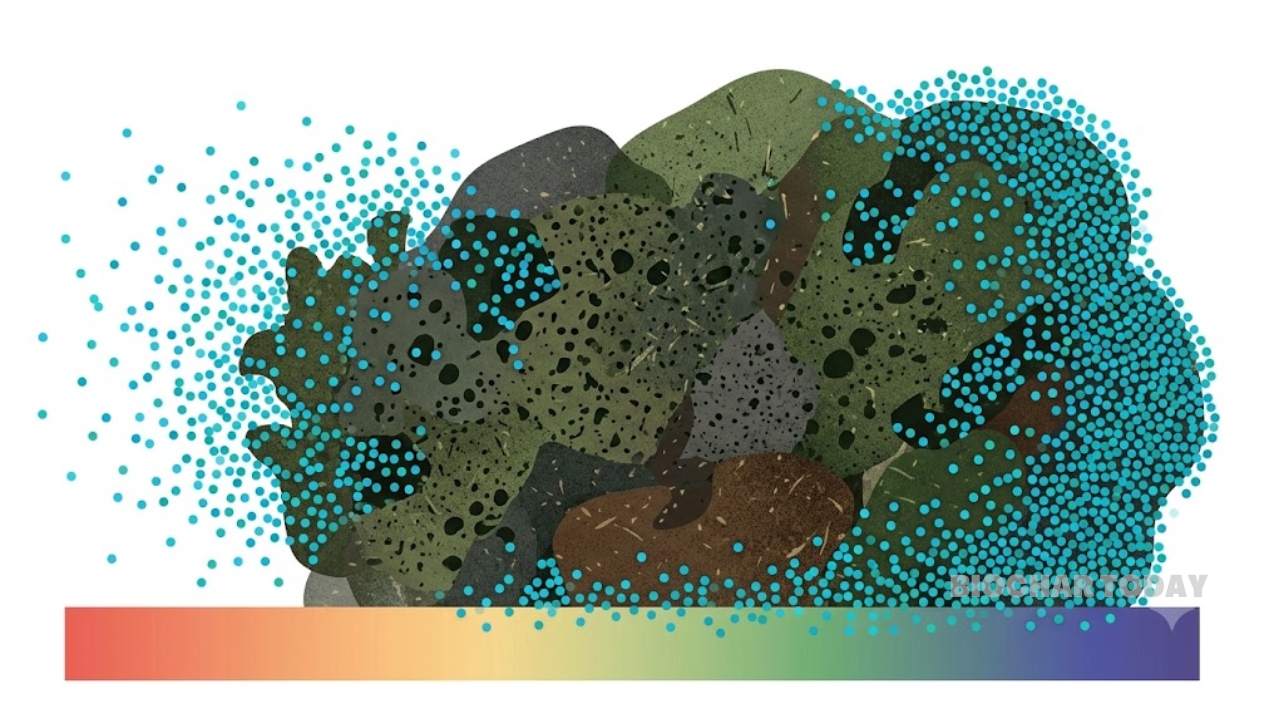
How does biochar’s safety change over time in the complex environment of the soil? A new study from delves into that question, looking at how four different aging processes – dry-wet cycles, freeze-thaws, ultraviolet radiation, and organic acid exposure – impact biochar’s toxicity.
Using a clever “toxicity attenuation rate” measure, the researchers calculated how quickly each aging process reduced biochar’s harmful effects on bacteria. They found that organic acid exposure was the most efficient at detoxifying biochar, followed by freeze-thaw cycles, UV radiation, and finally, dry-wet cycles. In fact, after just one week of exposure to organic acids, biochar became completely harmless to the test bacteria!
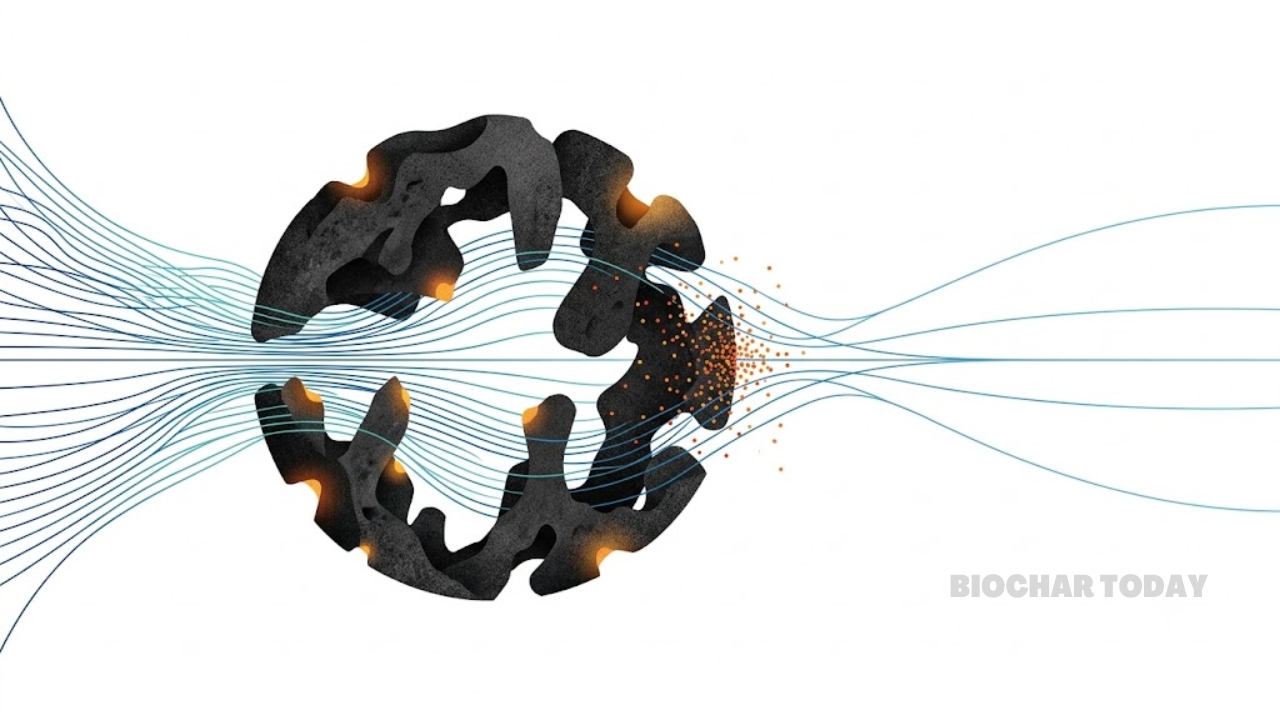
Chemical analysis revealed the secrets behind this transformation. Humic acids, natural components of soil, played a key role in neutralizing biochar’s toxicity. Additionally, aging helped reduce the presence of harmful free radicals on the biochar surface, further enhancing its safety.
This study is a significant step forward in understanding how Biochar behaves in the long term. By shedding light on its natural detoxification processes, it paves the way for the safe and responsible use of this versatile material in soil remediation and agriculture.
Key takeaways:
- Biochar’s toxicity decreases over time in soil-like conditions.
- Organic acids and freeze-thaw cycles are the most effective natural detoxifiers.
- Understanding aging mechanisms helps ensure safe and sustainable biochar use.



Leave a Reply