
Jiang, Li, et al (2024) A global assessment of the long-term effects of biocharBiochar is a carbon-rich material created from biomass decomposition in low-oxygen conditions. It has important applications in environmental remediation, soil improvement, agriculture, carbon sequestration, energy storage, and sustainable materials, promoting efficiency and reducing waste in various contexts while addressing climate change challenges. More application on crop yield. Current Research in Environmental Sustainability. https://doi.org/10.1016/j.crsust.2024.100247
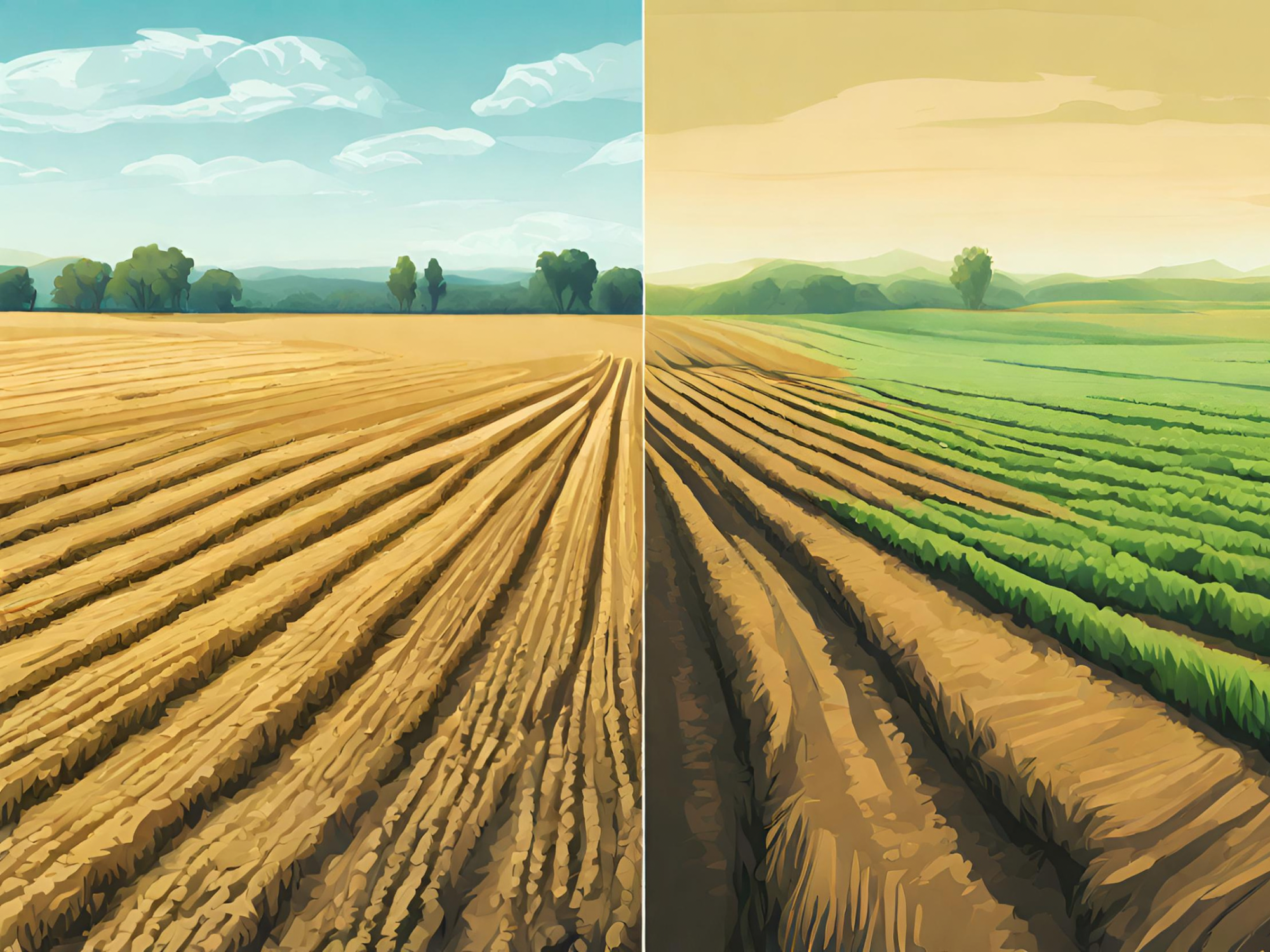
In a comprehensive study addressing the longstanding concern of biochar’s impact on crop yield, a meta-analysis and structural equation model (SEM) were applied to a dataset comprising 981 sets of observations. The research, aiming to explore the long-term effects of biochar application on crop yields, demonstrated a significant and enduring increase in crop yield, averaging 16% over a period exceeding 2 years. The study found that biochar also led to an average increase of 36.2% in Soil Organic Carbon (SOC). Notably, even after 6 years of biochar application, crop yields increased by 15% on average.
The research identified crop-type variations, highlighting biochar’s superior performance in corn and wheat compared to paddy rice production. The SEM analysis revealed a positive correlation between the increase in crop yield and the application amount of biochar, with higher yields observed under low nitrogen input compared to high nitrogen input.
Furthermore, the study emphasized that the long-term yield-increasing effect of biochar was primarily attributed to its enhancement of SOC rather than its effects on soil bulk density and pHpH is a measure of how acidic or alkaline a substance is. A pH of 7 is neutral, while lower pH values indicate acidity and higher values indicate alkalinity. Biochars are normally alkaline and can influence soil pH, often increasing it, which can be beneficial More. This insight sheds light on the mechanisms driving biochar’s impact on agricultural sustainability.
In conclusion, this research not only validates the durable positive effects of biochar on crop yield but also provides valuable insights into the influencing factors and mechanisms involved. The findings contribute crucial scientific support for integrating biochar into agricultural practices to foster sustainable development and enhance food security.




Leave a Reply