
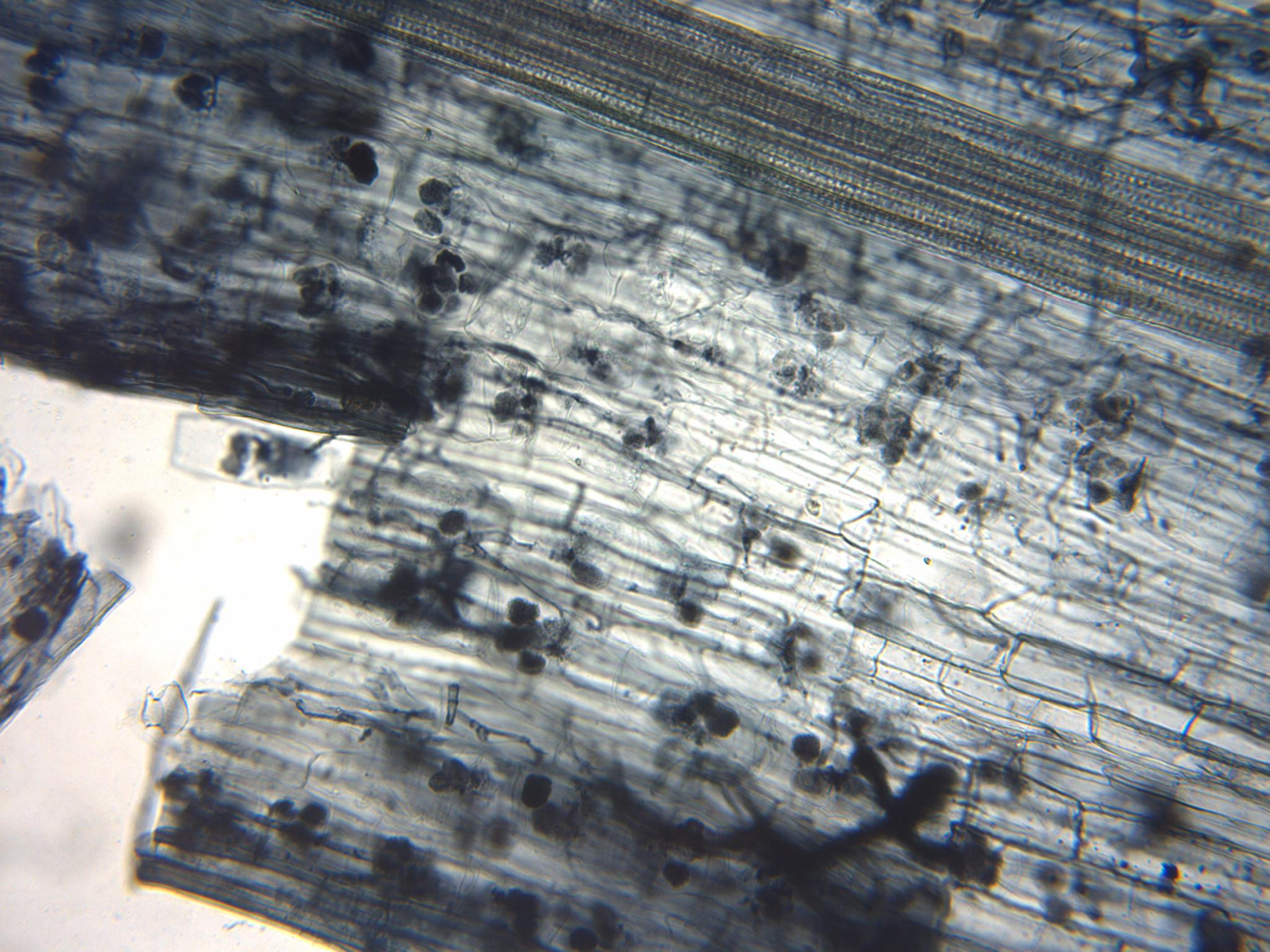
Fang, Lee, et al (2024) A Critical Review of the Effectiveness of BiocharBiochar is a carbon-rich material created from biomass decomposition in low-oxygen conditions. It has important applications in environmental remediation, soil improvement, agriculture, carbon sequestration, energy storage, and sustainable materials, promoting efficiency and reducing waste in various contexts while addressing climate change challenges. More Coupled with Arbuscular Mycorrhizal FungiThese are friendly fungi that form a partnership with plant roots. They act like an extension of the root system, helping plants access water and nutrients more effectively. Biochar can create a cozy habitat for these helpful fungi, boosting their growth and improving plant health. More in Soil Cadmium. Journal of Fungi. https://doi.org/10.3390/jof10030182
Cadmium-contaminated soil poses a severe threat to global food security and human health, prompting concerns about widespread environmental pollution. This review delves into the collaborative potential of biochar and arbuscular mycorrhizal fungi (AMF) as an environmentally friendly strategy to immobilize cadmium in contaminated soil. While previous studies focused separately on biochar and AMF, their combined impact on cadmium-polluted soils remained unclear.
The review comprehensively analyzes the synergistic interactions between biochar and AMF, shedding light on key factors influencing the efficacy of this remediation approach, including biochar properties, AMF species, and soil conditions. Emphasis is placed on the impact of biochar–AMF interactions on plant growth, nutrient uptake, and overall ecosystem health in cadmium-contaminated environments.
Cadmium, surpassing acceptable levels globally, especially in China, necessitates urgent investigation into novel and sustainable remediation approaches. Traditional methods like physical and chemical remediation prove costly and ecologically risky, prompting a shift towards bioremediation. The review highlights the significant role of AMF in cadmium-polluted soil remediation, further enhanced when synergistically combined with biochar.
The integration of biochar and AMF not only improves cadmium immobilization but also exhibits promising effects on curtailing cadmium migration, mitigating physiological stress in plants, and fostering plant biomassBiomass is a complex biological organic or non-organic solid product derived from living or recently living organism and available naturally. Various types of wastes such as animal manure, waste paper, sludge and many industrial wastes are also treated as biomass because like natural biomass these More. The review concludes by emphasizing the importance of thoroughly elucidating the interaction mechanism between biochar and AMF to pave the way for sustainable soil remediation strategies, offering valuable insights for future research in this critical field.



Leave a Reply