
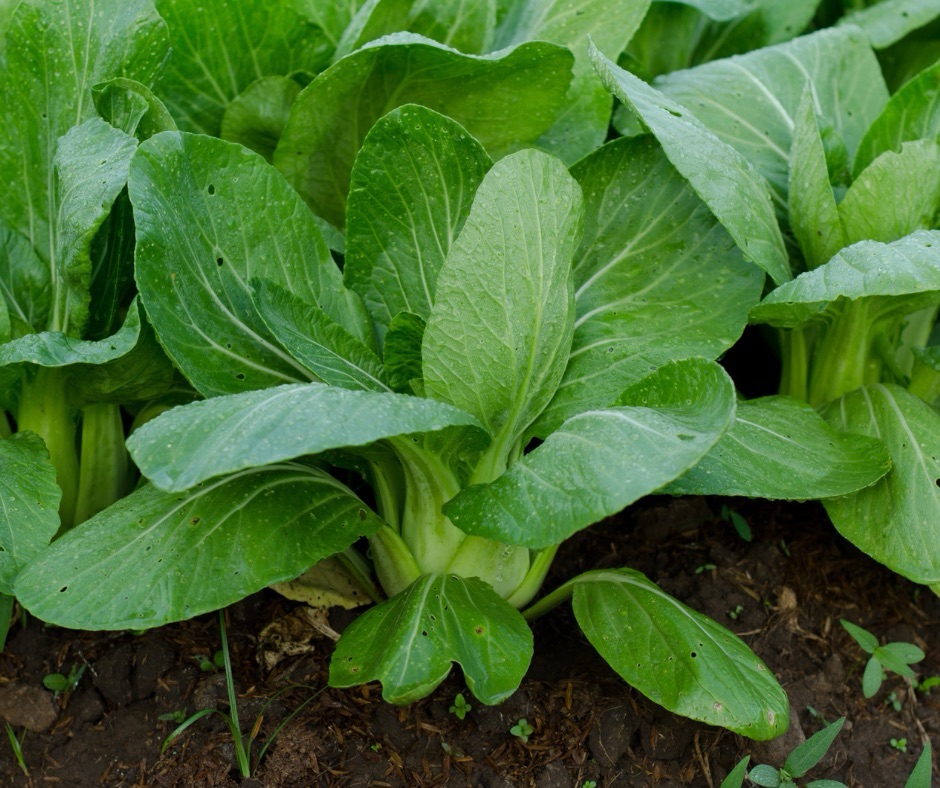
Zhong, Gu, et al (2024) BiocharBiochar is a carbon-rich material created from biomass decomposition in low-oxygen conditions. It has important applications in environmental remediation, soil improvement, agriculture, carbon sequestration, energy storage, and sustainable materials, promoting efficiency and reducing waste in various contexts while addressing climate change challenges. More increases pakchoi yield by regulating soil bacterial communities but reduces it through soil fungi in vegetable soil. Journal of Soils and Sediments. https://doi.org/10.1007/s11368-024-03733-w
Biochar, a promising agricultural amendment, emerges as a solution to counter the adverse effects of excessive nitrogen fertilizer usage on vegetable yield. A recent study conducted a pot experiment with pakchoi, exploring the intricate relationship between biochar, nitrogen levels, and microbial pathways.
In the experiment, eight treatments were applied, combining normal (N1) and high (N2) nitrogen fertilizer levels with varying biochar concentrations (B0, B05, B1, and B2). The results revealed a significant decrease in pakchoi yield with high nitrogen fertilizer. However, biochar application showcased a positive impact, boosting pakchoi yield by 13.46–55.76% at N1 and 53.3–75.56% at N2.
The microbial community played a pivotal role in these dynamics. Biochar increased bacterial and fungal diversity, while high nitrogen had a contrasting effect, reducing diversity in vegetable soil. Dominant bacterial communities included Proteobacteria, Actinobacteriota, Gemmatimonadota, Acidobacteriota, and Chloroflexi, whereas fungal communities were led by Ascomycota, Chytridiomycota, Mortierellomycota, and Basidiomycota.
Conclusively, biochar proved to enhance pakchoi yield by regulating bacterial communities. However, the pathways varied under different nitrogen levels. Biochar fostered beneficial species, supporting disease suppression and organic matter degradation at N1. At N2, it increased eutrophic species linked to soil nutrients, yet posed a risk by potentially reducing vegetable yield through nutrient cycling phylum reduction and soil-borne plant pathogen enhancement.





Leave a Reply