
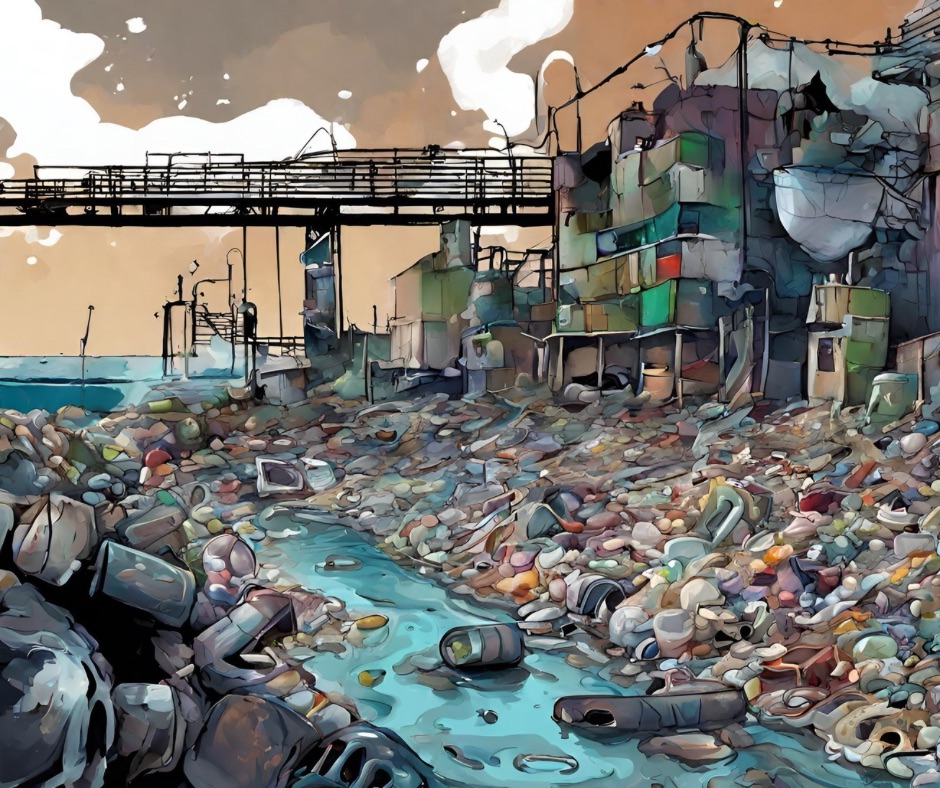

In this scientific exploration of pyrolysis in Europe, the study takes us on a journey through the current landscape, focusing on key research areas and technologies. By using search equations, the researchers zero in on the use of biomassBiomass is a complex biological organic or non-organic solid product derived from living or recently living organism and available naturally. Various types of wastes such as animal manure, waste paper, sludge and many industrial wastes are also treated as biomass because like natural biomass these More and plastics as primary materials for pyrolysis, placing special emphasis on biochar generation and various applied technologies.
The findings reveal promising aspects: both plastic and biomass pyrolysis hold potential for reducing waste and curbing greenhouse gas emissions. However, a hurdle emerges in plastic pyrolysis, where harmful pollutants can be released due to chlorine and other additives in plastics. To overcome this, advanced emission control systems are deemed necessary.
A particularly intriguing avenue explored is the production of biochar from sewage sludge. This not only aids in waste management but also presents a promising method for phosphorus recovery. The recovered phosphorus, in turn, can serve as a valuable fertilizer in agricultural applications, promoting sustainable practices.
The study doesn’t just stop at presenting findings; it extends its impact by contributing valuable data for potential future applications of pyrolysis. This includes insights into operational companies already working on a large scale with pyrolysis and a geographic mapping of the principal countries in Europe engaged in pyrolysis research. The correlation of characteristics of the pyrolysis processes investigated adds depth to the understanding of this innovative field. Overall, the research serves as a comprehensive guide, offering a critical assessment of feedstockFeedstock refers to the raw organic material used to produce biochar. This can include a wide range of materials, such as wood chips, agricultural residues, and animal manure. More use and paving the way for advancements in pyrolysis technology on both pilot and industrial scales.




Leave a Reply