


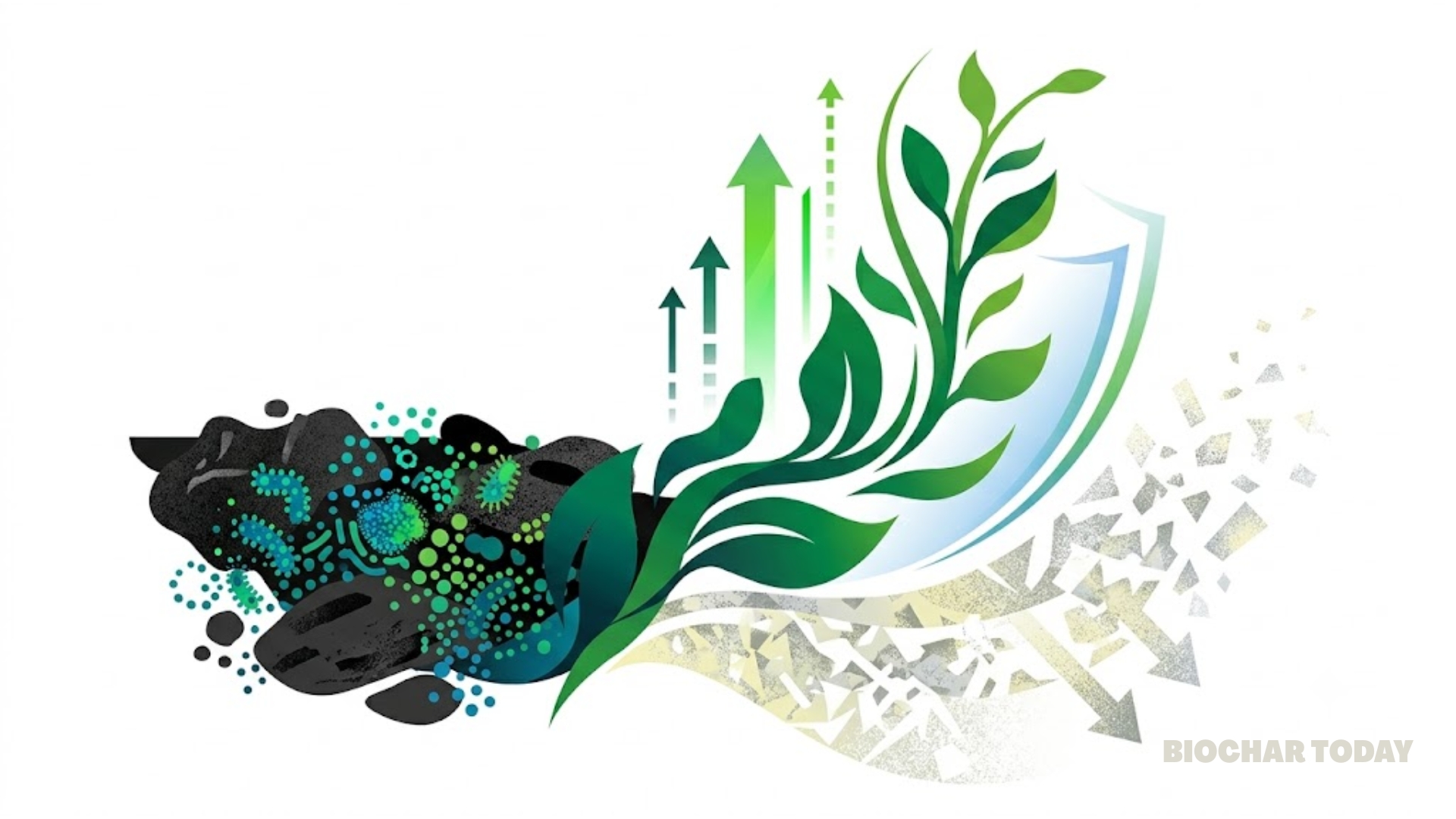
In recent research, an approach has been developed to convert humins, a by-product of fructose dehydration, into a novel furanyl functionalized porous biochar material. This innovative process addresses the significant carbon loss and inefficiency associated with biomassBiomass is a complex biological organic or non-organic solid product derived from living or recently living organism and available naturally. Various types of wastes such as animal manure, waste paper, sludge and many industrial wastes are also treated as biomass because like natural biomass these More utilization by repurposing humins, which traditionally limit the yield of valuable molecules during biomass conversion.
The study reveals that calcining the biochar at 600°C not only produces a material with a large surface area but also retains an abundance of furan groups within the biochar. These furan groups are crucial for the enhanced catalytic performance of Pd/biochar catalysts. Impressively, these catalysts achieve high yields of over 95% for THFF and 85% for 5-HMTHFF in the selective ring hydrogenation of furfural (FF) and 5-hydroxymethylfurfural (5-HMF), respectively. The key to this performance lies in the biochar’s ability to preferentially adsorb furan rings, thereby improving the hydrogenation rate and stability of furan derivatives.
The research underlines the importance of utilizing and recovering humins to improve the atom efficiency of biomass valorization. By converting humins into a functionalized material with specific applications in catalysis, this study not only enhances the carbon efficiency of biomass conversion processes but also offers a novel approach to creating functional materials for catalytic applications.
This advancement represents a significant leap forward in the field of sustainable chemistry. It showcases the potential of biomass wastes, specifically humins, as a resource for producing specialized materials that can improve the efficiency and selectivity of catalytic processes. This not only contributes to the valorization of biomass but also opens new avenues for research into the development of sustainable, high-performance catalytic materials.




Leave a Reply