
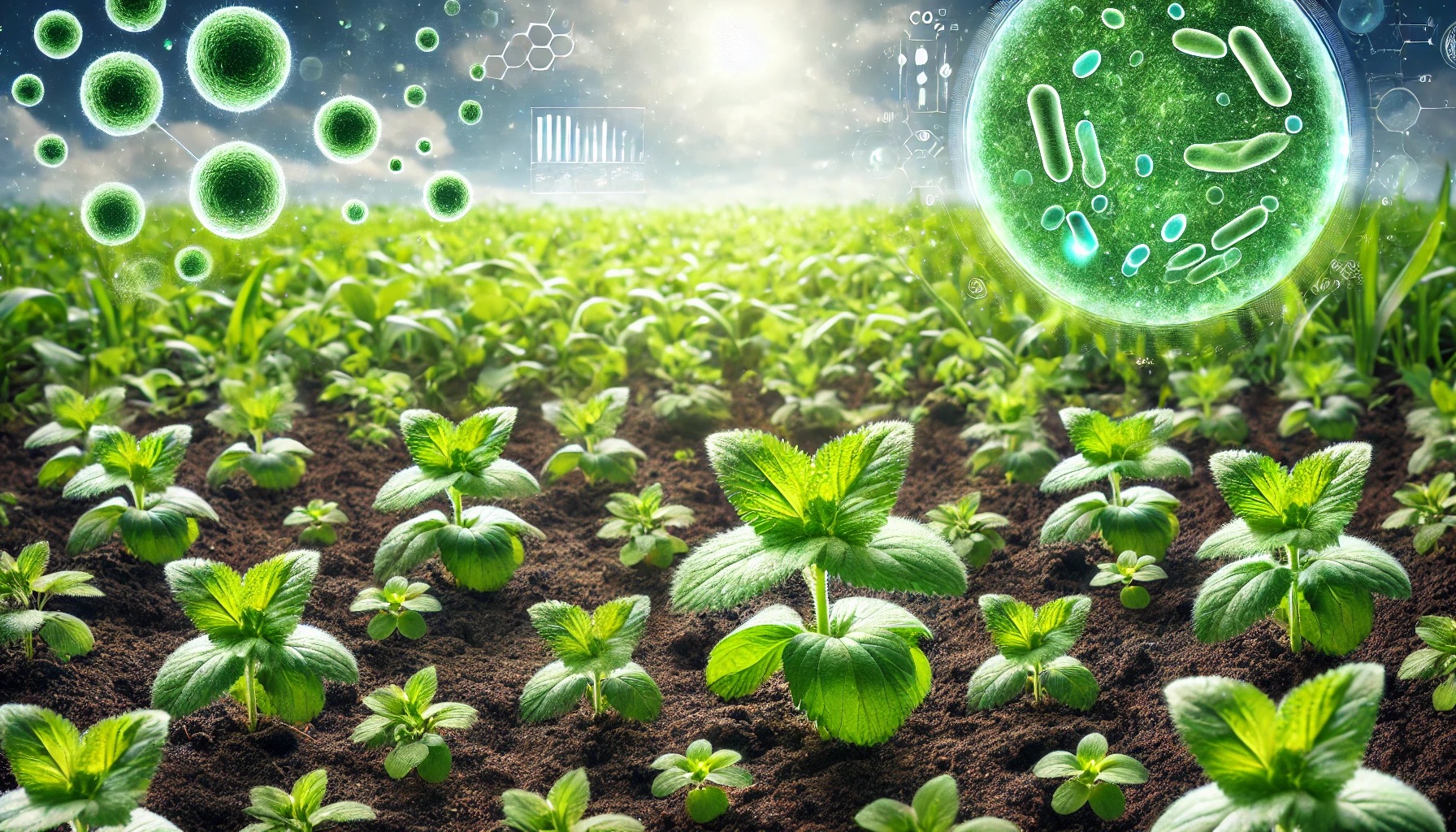

Recent research published in Science of The Total Environment explores the combined effects of biochar and elevated CO2 levels on soil water retention and rhizosphere bacterial communities in medicinal plants. The study, conducted by Yu Chen Wang and Jun Jun Ni, used Pseudostellaria heterophylla, a medicinal plant, to examine these interactions.
The researchers found that both biochar and increased CO2 significantly enhance the water retention capacity of vegetated soil. Specifically, adding biochar at 3% and 5% by mass increased the soil’s water content at a matric suction of 33 kPa by 97% and 82%, respectively. Additionally, the study observed a reduction in plant transpiration by up to 57% at 1000 ppm CO2, while biochar alone decreased transpiration by 11-30%, depending on the dosage.
The rhizosphere, or root zone, showed significant changes in bacterial communities due to these treatments. Elevated CO2 and biochar together led to increased bacterial richness, particularly with 3% biochar under ambient CO2 conditions, which induced the highest bacterial diversity. Notably, the abundance of Thaumarchaeota, a group of archaea important for carbon and nitrogen cycling, dramatically increased in these conditions.
This study highlights the potential benefits of biochar and CO2 enrichment in agricultural practices, particularly for medicinal plants. By enhancing soil water retention and promoting a diverse microbial community, these methods could improve plant growth and soil health. Understanding these interactions provides valuable insights for sustainable agriculture and climate change mitigation strategies.




Leave a Reply