

Ji, et al (2024) BiocharBiochar is a carbon-rich material created from biomass decomposition in low-oxygen conditions. It has important applications in environmental remediation, soil improvement, agriculture, carbon sequestration, energy storage, and sustainable materials, promoting efficiency and reducing waste in various contexts while addressing climate change challenges. More as adsorbents for environmental microplastics and nanoplastics removal. Journal of Environmental Chemical Engineering. https://doi.org/10.1016/j.jece.2024.113377
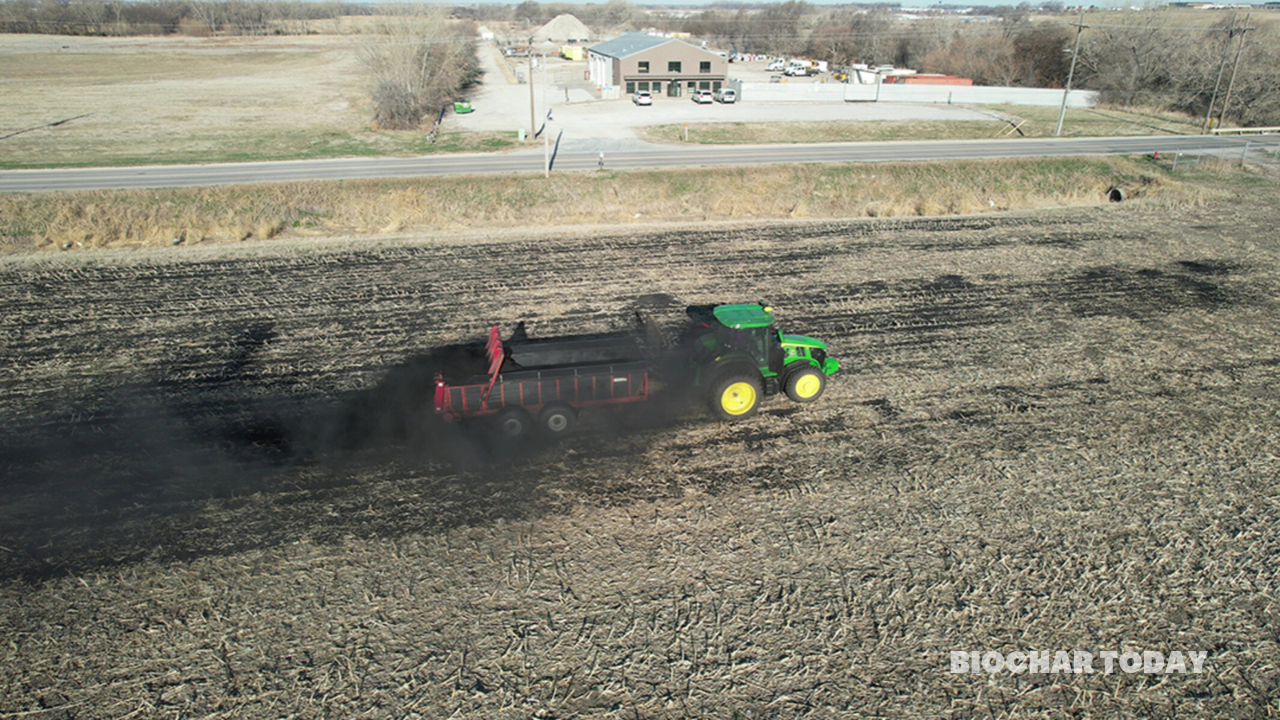
Biochar, a form of charcoalCharcoal is a black, brittle, and porous material produced by heating wood or other organic substances in a low-oxygen environment. It is primarily used as a fuel source for cooking and heating. More produced from plant matter, is gaining attention for its potential to enhance sustainable agriculture. Created through pyrolysisPyrolysis is a thermochemical process that converts waste biomass into bio-char, bio-oil, and pyro-gas. It offers significant advantages in waste valorization, turning low-value materials into economically valuable resources. Its versatility allows for tailored products based on operational conditions, presenting itself as a cost-effective and efficient More, a process that involves heating organic materials in the absence of oxygen, biochar is lauded for its ability to improve soil health, boost crop yields, and sequester carbon, contributing to climate change mitigation.
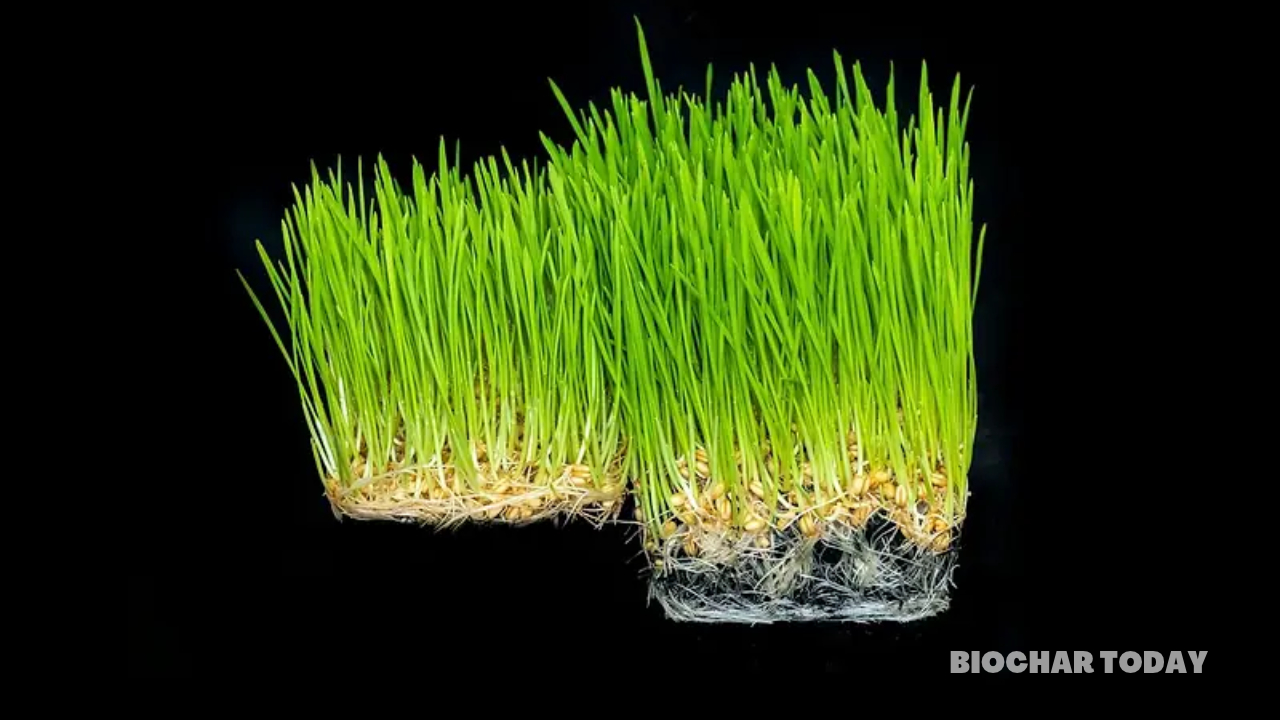
One of biochar’s primary benefits is its positive impact on soil health. It enhances soil structure, increases water retention, and promotes beneficial microbial activity. By improving the soil’s physical and biological properties, biochar helps plants access nutrients more efficiently, leading to healthier and more productive crops. This can be particularly beneficial in degraded soils where nutrient availability is limited.
Biochar also plays a crucial role in carbon sequestration. When organic material decomposes naturally, it releases carbon dioxide back into the atmosphere. However, the carbon in biochar is stable and can remain in the soil for centuries, effectively trapping carbon and reducing greenhouse gas emissions. This makes biochar a valuable tool in the fight against climate change.
Additionally, biochar can reduce the need for chemical fertilizers. Its porous structure helps retain nutrients, making them more available to plants and reducing nutrient runoff into waterways. This not only benefits plant growth but also protects the environment from pollution.
In summary, biochar offers a multifaceted approach to sustainable agriculture. Its ability to improve soil health, enhance crop productivity, and sequester carbon positions it as a promising solution for farmers looking to adopt more sustainable practices and combat climate change.



Leave a Reply