
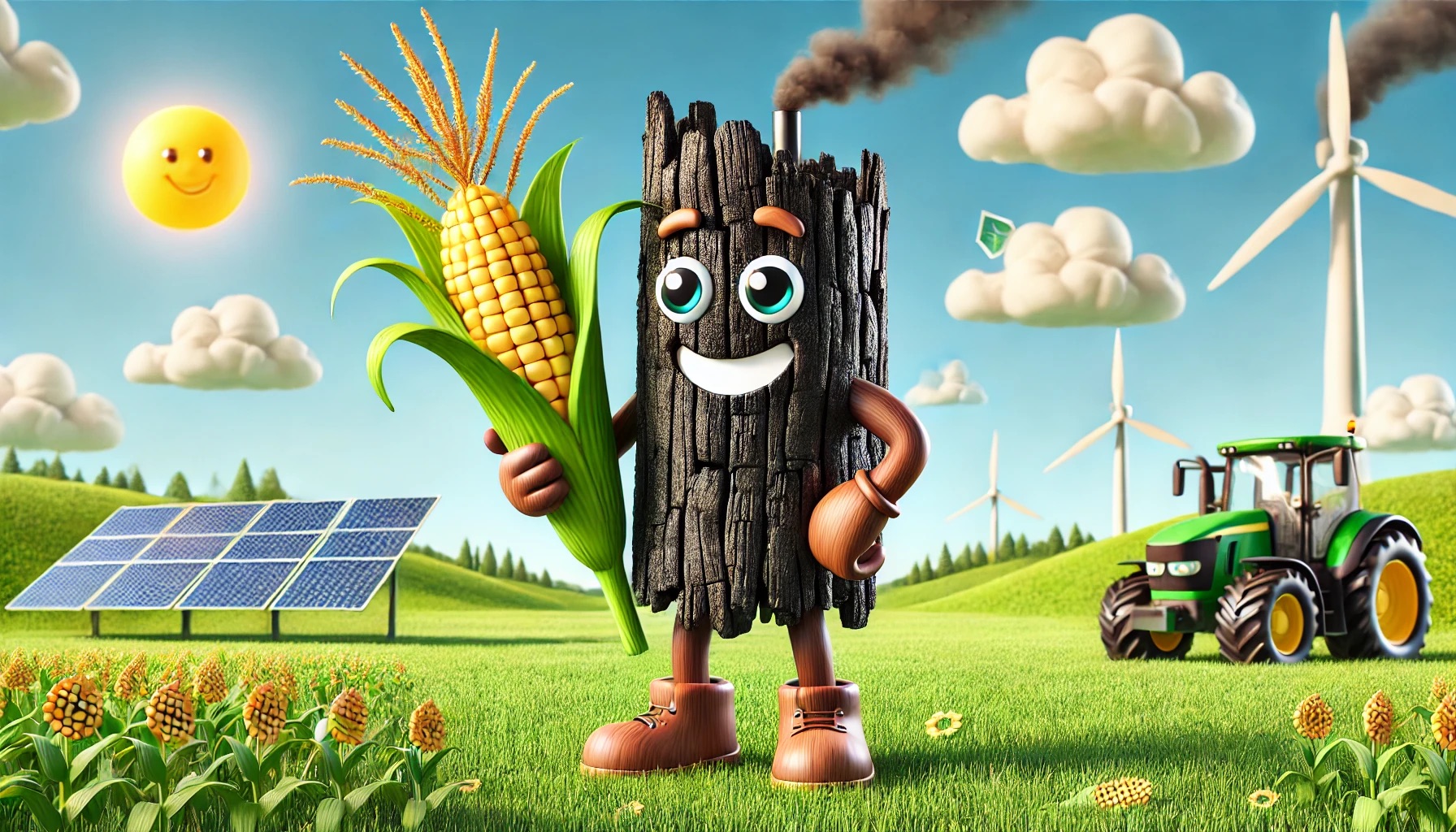

Researchers have developed a method to convert corn straw (CS) into valuable materials using hydrothermal carbonization (HTC). This process simultaneously produces carbon quantum dots (CS-CDs) and hydrothermal biochar (HC). CS-CDs are fluorescent nanomaterials with a uniform particle size of about 2.28 nm and exhibit excellent water solubility, high fluorescence stability, and the ability to specifically detect Fe3+ ions. The detection range for Fe3+ is 50 to 2000 μM, with a limit of detection of 5.32 μM. The study highlights that CS-CDs can serve as effective sensors for Fe3+, which is essential for environmental monitoring.
HC, the solid byproduct of the HTC process, shows a yield of 57.60%. This biochar is rich in essential nutrients, making it suitable for use as an organic carbon fertilizer or a high-quality fuel with a heating value of 17.99 MJ/kg. The research demonstrates the potential of corn straw, a widely available agricultural waste, to be transformed into high-value products that support sustainable agricultural practices and environmental protection.
By addressing the challenges of agricultural waste management, this study provides innovative strategies for the multifunctional utilization of agroforestry resources. The findings offer a pathway to reduce pollution, lower carbon emissions, and create cost-effective solutions for waste disposal, emphasizing the importance of sustainable and eco-friendly practices in agriculture.



Leave a Reply