
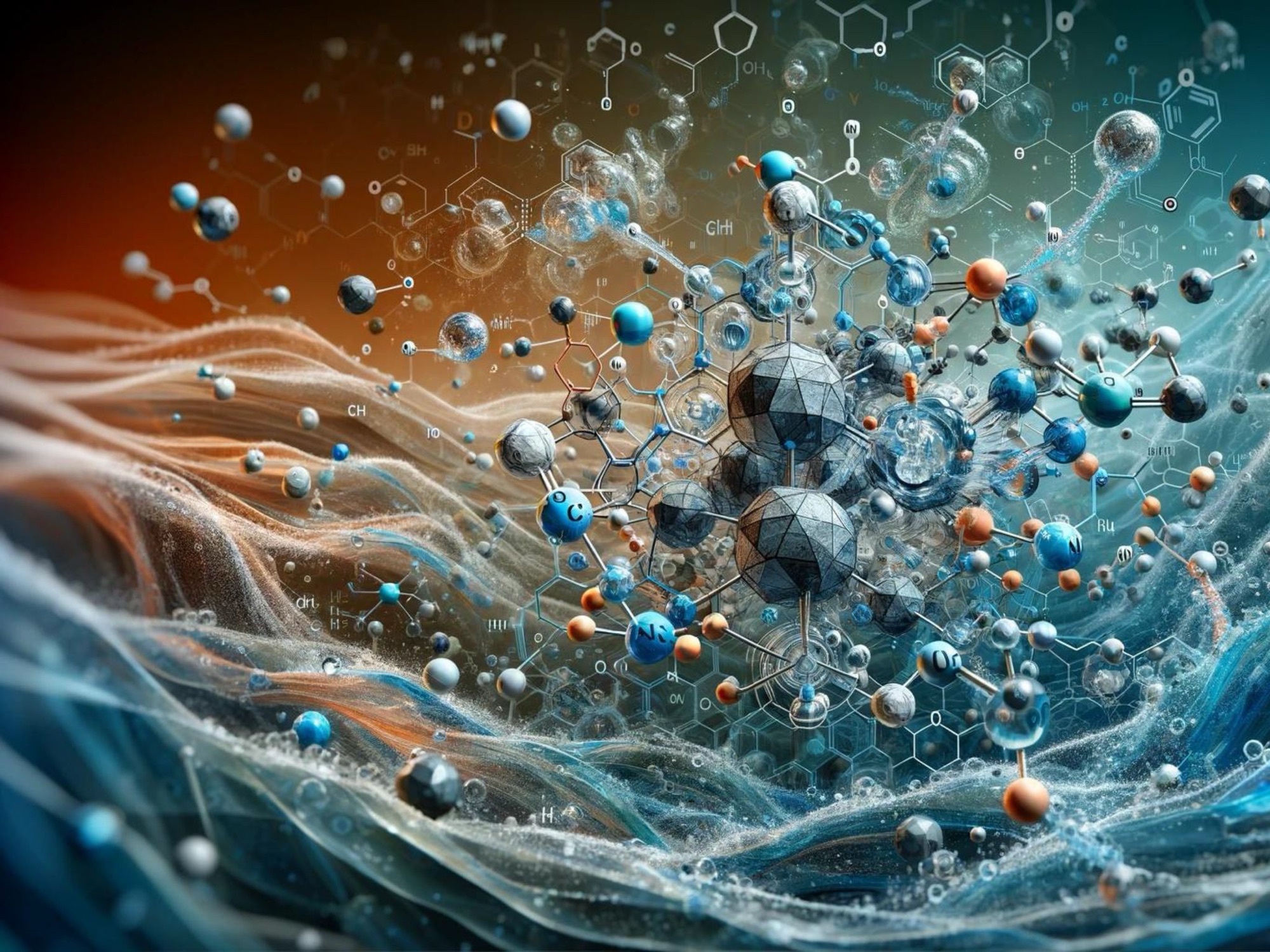

Recent research introduces an innovative approach to wastewater treatment by developing a copper/nitrogen co-doped porous biochar (Cu-N-BC) that activates peroxymonosulfate (PMS) in a non-radical oxidation pathway. This method promises a leap forward in the efficient degradation of pharmaceutical pollutants, notably paracetamol, which is a common water contaminant due to its widespread use in medication.
The study demonstrates that this Cu-N-BC catalyst can degrade 100% of paracetamol in water within just 15 minutes, employing a low dosage of 30 mg/L of activator in the presence of 1 mM PMS. This process is primarily facilitated by singlet oxygen and electron transfer mechanisms, without the formation of free radicals, ensuring a safer environmental footprint. The catalyst’s high efficiency is attributed to its structure enriched with defect edges and functional groups introduced during the pyrolysisPyrolysis is a thermochemical process that converts waste biomass into bio-char, bio-oil, and pyro-gas. It offers significant advantages in waste valorization, turning low-value materials into economically valuable resources. Its versatility allows for tailored products based on operational conditions, presenting itself as a cost-effective and efficient More of sodium alginate.
The Cu-N-BC catalyst shows remarkable stability and resistance to a wide range of pHpH is a measure of how acidic or alkaline a substance is. A pH of 7 is neutral, while lower pH values indicate acidity and higher values indicate alkalinity. Biochars are normally alkaline and can influence soil pH, often increasing it, which can be beneficial More levels and interfering ions found in various water bodies. Its effectiveness extends to complex water matrices such as tap and lake water, where it not only degrades paracetamol but also achieves significant total organic carbon (TOC) mineralization, with minimal copper ion leachingLeaching is the process where nutrients are dissolved and carried away from the soil by water. This can lead to nutrient depletion and environmental pollution. Biochar can help reduce leaching by improving nutrient retention in the soil. More.
This breakthrough addresses significant challenges in traditional wastewater treatment technologies, which often struggle with efficiency and environmental safety. The introduction of Cu and N into the biochar matrix creates active sites for oxidation, enhancing the generation of singlet oxygen and facilitating a high selectivity in pollutant degradation. This study not only paves the way for more effective water treatment solutions but also enhances our understanding of non-radical activation mechanisms in environmental applications.




Leave a Reply