


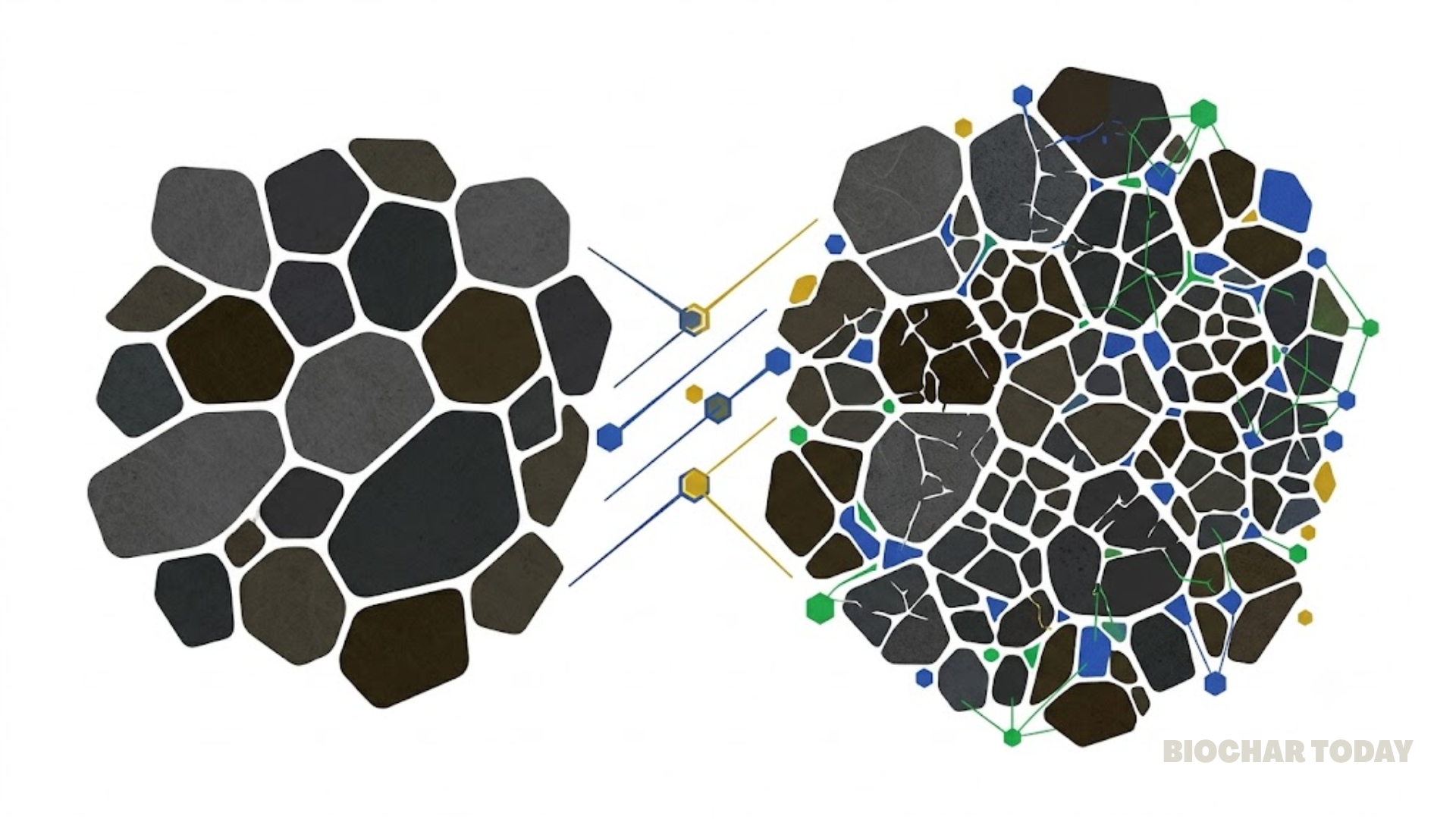
Treating wastewater to meet strict discharge standards, especially when dealing with low levels of phosphate, can be challenging. Finding cost-effective solutions is crucial. This study introduces a promising new material called lanthanum and iron co-modified sawdust biochar (La-MBC) for efficient phosphate removal from wastewater.
La-MBC demonstrated remarkable performance, removing nearly 100% of phosphate when its concentration was below 1.0 mg/L. It boasts an impressive maximum adsorption capacity of almost 27.5 mg/g, highlighting its efficiency. Additionally, La-MBC remained effective across a wide pHpH is a measure of how acidic or alkaline a substance is. A pH of 7 is neutral, while lower pH values indicate acidity and higher values indicate alkalinity. Biochars are normally alkaline and can influence soil pH, often increasing it, which can be beneficial More range (4-8), maintaining a phosphate removal rate above 90%.
Another key advantage of La-MBC is its selectivity. Even in the presence of other ions competing for absorption, La-MBC preferentially captured phosphate, showcasing its effectiveness in complex wastewater environments. Analyses suggest that the process is driven by chemisorption, where strong chemical bonds form between phosphate and the La-MBC surface.
These findings collectively paint a promising picture for La-MBC. Its exceptional performance in removing low-concentration phosphate, coupled with its stability and selectivity, makes it a strong candidate for real-world wastewater treatment applications. This new material offers a significant step forward in addressing a critical environmental challenge.





Leave a Reply