
de Souza, et al (2024) Effect of sugarcane bagasse biocharBiochar is a carbon-rich material created from biomass decomposition in low-oxygen conditions. It has important applications in environmental remediation, soil improvement, agriculture, carbon sequestration, energy storage, and sustainable materials, promoting efficiency and reducing waste in various contexts while addressing climate change challenges. More on soybean germination and initial growth. The Journal of Engineering and Exact Sciences. 10.18540/jcecvl10iss5pp19300
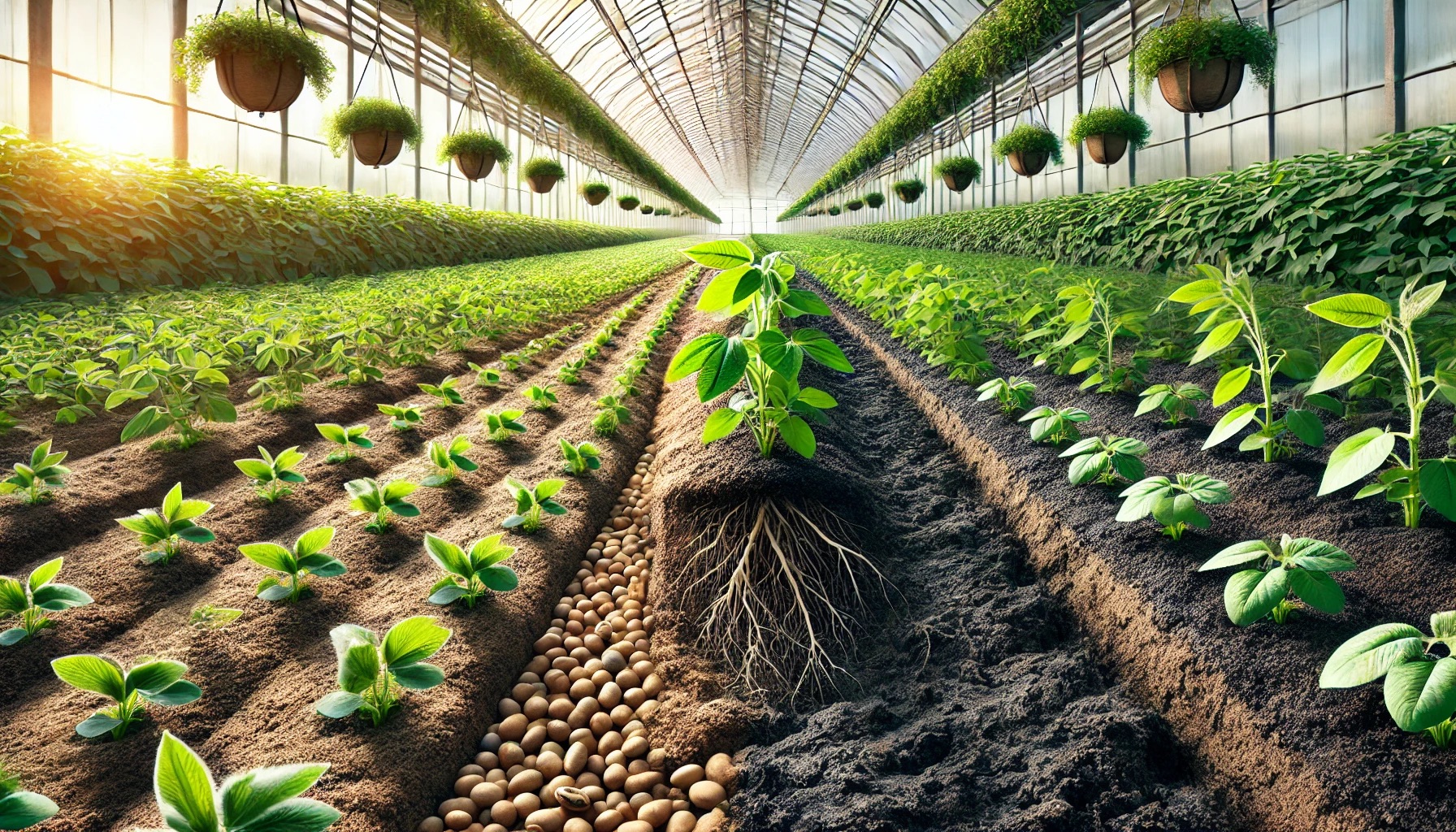
Biochar, derived from sugarcane bagasse, is increasingly recognized for its potential benefits in agriculture, particularly as a soil conditioner and carbon sequestration agent. A recent study explored the effects of biochar on soybean germination and early growth, focusing on its impact on soil properties and microbial activity.
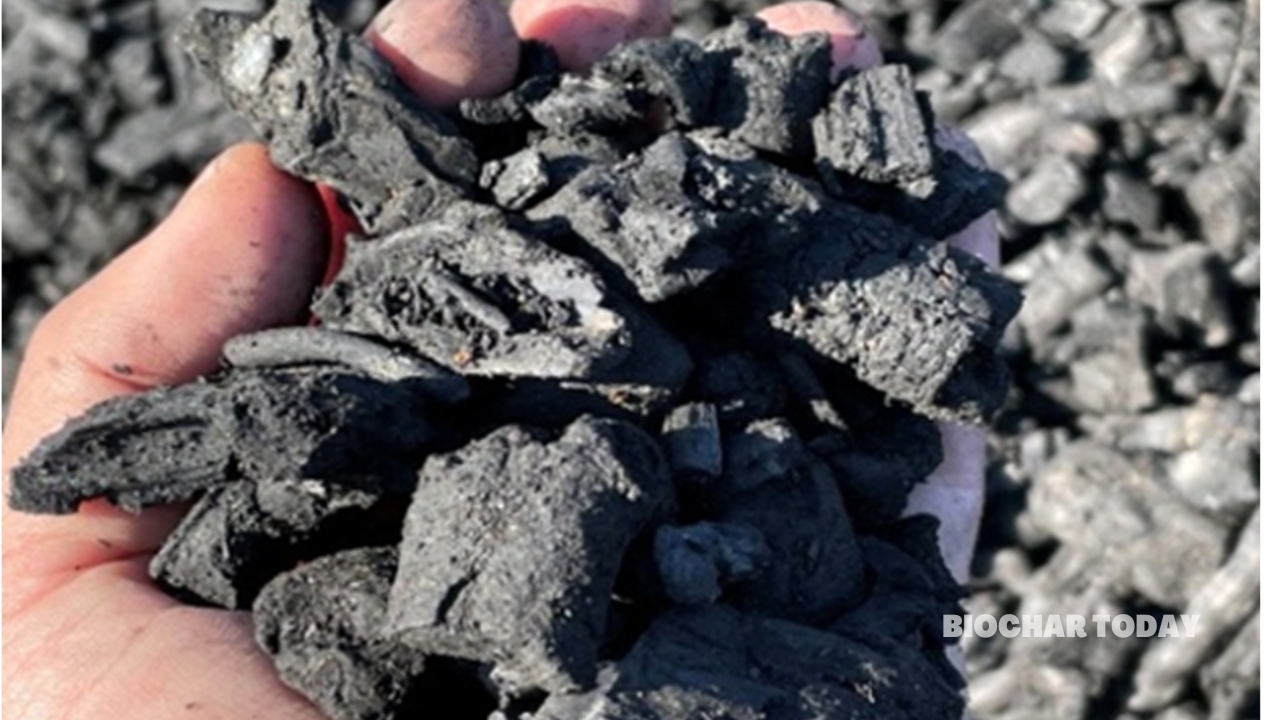
The biochar used in the study was produced through pyrolysisPyrolysis is a thermochemical process that converts waste biomass into bio-char, bio-oil, and pyro-gas. It offers significant advantages in waste valorization, turning low-value materials into economically valuable resources. Its versatility allows for tailored products based on operational conditions, presenting itself as a cost-effective and efficient More, a process of thermal decomposition in the absence of oxygen. The resulting material, characterized by a low oxygen-to-carbon ratio and a porous structure, was tested at different application rates to assess its influence on soybean cultivation. The study found that biochar significantly improved several soil attributes, including moisture retention, nutrient availability, and microbial activity, all of which are crucial for healthy plant growth.
In greenhouse experiments, soybeans treated with higher biochar concentrations (3% and 5% w/w) exhibited notable increases in both aerial and root biomassBiomass is a complex biological organic or non-organic solid product derived from living or recently living organism and available naturally. Various types of wastes such as animal manure, waste paper, sludge and many industrial wastes are also treated as biomass because like natural biomass these More compared to untreated plants. Specifically, the fresh mass of aerial parts increased by 64% to 86%, while root mass saw a substantial boost of 23% to 423%. These results suggest that biochar not only supports early soybean development but also enhances soil fertility and microbial health, creating a more conducive environment for plant growth.
This research underscores the potential of biochar as a sustainable agricultural amendment, with promising implications for improving crop yields and contributing to environmental sustainability through carbon sequestration. Further studies are needed to explore the long-term effects and broader applications across different crop species and soil types.

Leave a Reply