
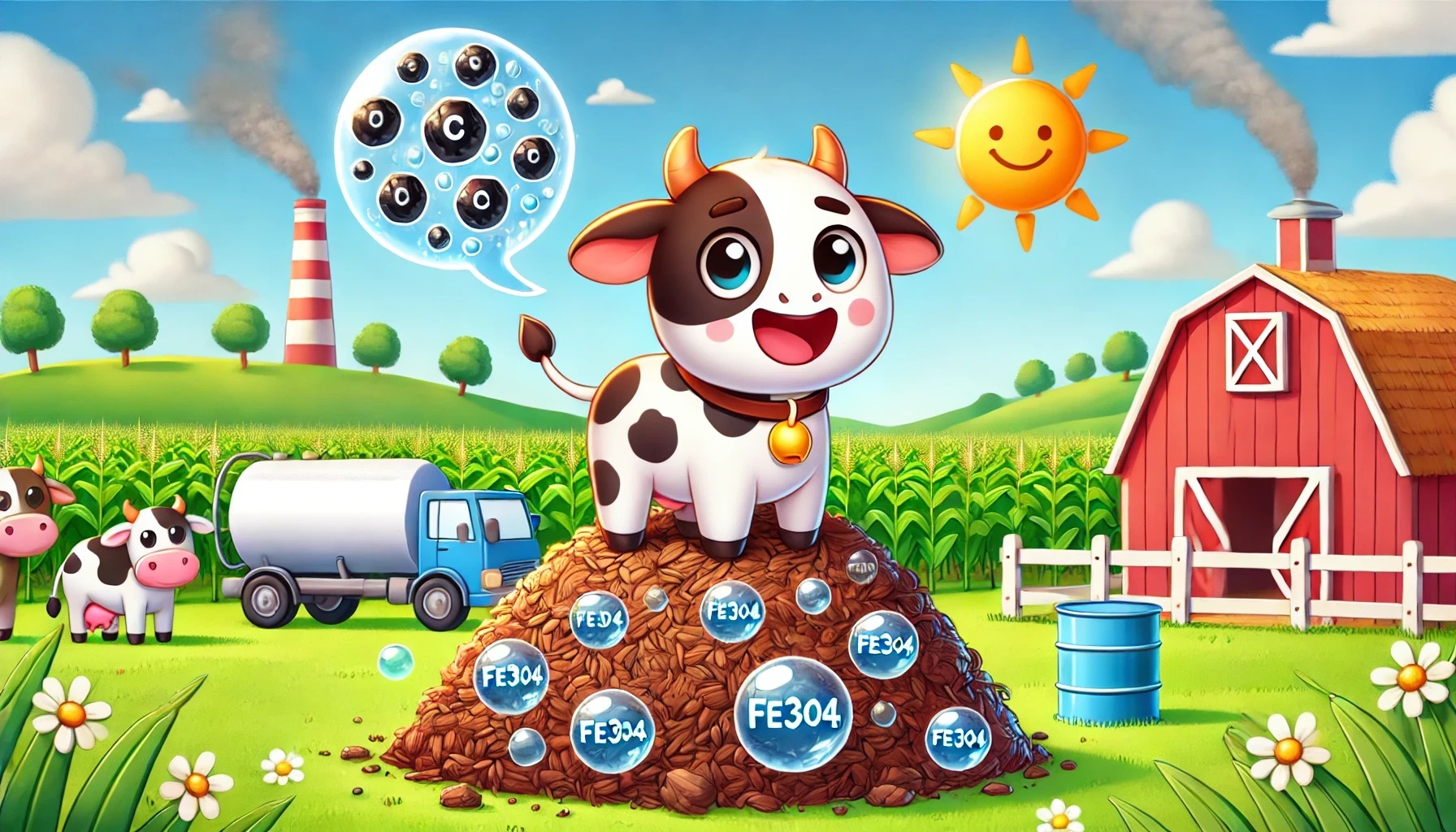
Sathish, et al (2024) Carbonization and GasificationGasification is a high-temperature, thermochemical process that converts carbon-based materials into a gaseous fuel called syngas and solid by-products. It takes place in an oxygen-deficient environment at temperatures typically above 750°C. Unlike combustion, which fully burns material to produce heat and carbon dioxide (CO2), gasification More of Cow-Dung and Fe3O4 Nanoparticles at Different Operating Conditions for Hydrogen Production. ChemistrySelect. doi.org/10.1002/slct.202402515
Hydrogen production using biomassBiomass is a complex biological organic or non-organic solid product derived from living or recently living organism and available naturally. Various types of wastes such as animal manure, waste paper, sludge and many industrial wastes are also treated as biomass because like natural biomass these More is an emerging solution to address waste management and energy demands. A recent study explored the potential of cow dung, combined with Fe₃O₄ nanoparticles, as a feedstockFeedstock refers to the raw organic material used to produce biochar. This can include a wide range of materials, such as wood chips, agricultural residues, and animal manure. More for hydrogen generation through carbonization and gasification processes.
The process involved heating cow dung at various temperatures (400°C, 500°C, and 600°C) and durations (30, 60, and 120 minutes) to assess its hydrogen yield. At a carbonization temperature of 450°C, cow dung produced the highest hydrogen concentrations of up to 62%, and the yield reached 0.69 m³/kg. Increasing the gasification temperature to 600°C further enhanced hydrogen output, achieving concentrations of 64% and a yield of 0.91 m³/kg.
The study also found that incorporating Fe₃O₄ nanoparticles into the cow dung increased hydrogen yield by 13.5% and the overall gas concentration by 4.21%, compared to non-treated feedstock. This improvement is attributed to the catalytic properties of Fe₃O₄, which facilitates electron transfer and improves the steam reforming process.
This research highlights the viability of cow dung as a low-cost, abundant feedstock for sustainable hydrogen production. The combination of optimized gasification conditions and nanoparticle catalysts significantly enhances hydrogen yield, offering an environmentally friendly solution to both waste management and energy production. Further exploration could make this method an essential part of a circular energy economy.




Leave a Reply