
Waste Management, Volume 174, 15 February 2024, Pages 618-629
Authors: Felizitas Schlederer, Edgar Martín-Hernández, Céline Vaneeckhaute
BiocharBiochar is a carbon-rich material created from biomass decomposition in low-oxygen conditions. It has important applications in environmental remediation, soil improvement, agriculture, carbon sequestration, energy storage, and sustainable materials, promoting efficiency and reducing waste in various contexts while addressing climate change challenges. More, a charcoal-like material produced from organic waste, has emerged as a promising tool for sustainable waste management and soil amendmentA soil amendment is any material added to the soil to enhance its physical or chemical properties, improving its suitability for plant growth. Biochar is considered a soil amendment as it can improve soil structure, water retention, nutrient availability, and microbial activity. More. However, a recent study published in Science of the Total Environment raises concerns about the potential presence of harmful micropollutants in biochar derived from sewage sludge.
The study, led by researchers at the University of Newcastle, Australia, investigated the influence of pyrolysis conditionsThe conditions under which pyrolysis takes place, such as temperature, heating rate, and residence time, can significantly affect the properties of the biochar produced. More on the levels of micropollutants in biochar produced from sewage sludge. Microbpollutants are organic and inorganic contaminants, such as pharmaceuticals, personal care products, and industrial chemicals, that are resistant to degradation and can pose environmental and human health risks.
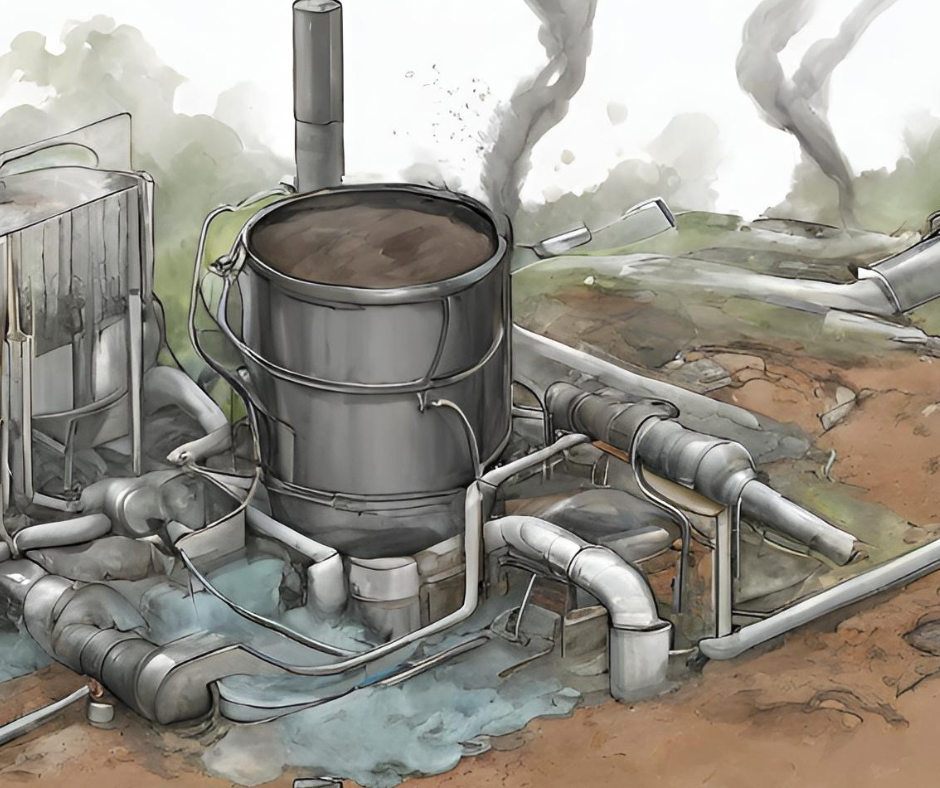
The researchers found that the pyrolysisPyrolysis is a thermochemical process that converts waste biomass into bio-char, bio-oil, and pyro-gas. It offers significant advantages in waste valorization, turning low-value materials into economically valuable resources. Its versatility allows for tailored products based on operational conditions, presenting itself as a cost-effective and efficient More process itself can concentrate micropollutants in the biochar. However, they also identified key operating conditions that can help mitigate this risk. Higher pyrolysis temperatures, the use of an inert carrier gas like nitrogen, and longer residence times in the pyrolysis reactor were all found to reduce micropollutant levels in the final biochar product.
These findings highlight the importance of optimizing pyrolysis conditions to ensure the safety and sustainability of biochar derived from sewage sludge. While biochar offers a valuable approach to waste management and soil improvement, its potential risks associated with micropollutants cannot be ignored. Further research is needed to refine the pyrolysis process and develop robust standards for biochar quality to ensure its safe and beneficial application in various environmental and agricultural contexts.
In conclusion, the study underscores the need for a cautious and science-based approach to biochar production and utilization. By carefully managing pyrolysis conditions and establishing rigorous quality control measures, we can harness the potential of biochar for a more sustainable future while safeguarding environmental and human health.
SOURCE: https://www.sciencedirect.com/science/article/abs/pii/S0956053X23007730





Leave a Reply