

Antibiotic use is skyrocketing globally, leading to increased levels of these drugs in our water resources. This poses a serious environmental threat, potentially fostering antibiotic resistance. To tackle this challenge, researchers are exploring sustainable solutions like biocharBiochar is a carbon-rich material created from biomass decomposition in low-oxygen conditions. It has important applications in environmental remediation, soil improvement, agriculture, carbon sequestration, energy storage, and sustainable materials, promoting efficiency and reducing waste in various contexts while addressing climate change challenges. More, a charcoal-like material derived from organic waste.
This study focuses on biochar produced from macadamia nut shells, a readily available waste material due to the growing popularity of these nuts. The researchers investigated its effectiveness in removing four common antibiotics: ciprofloxacin, ofloxacin, sulfamethoxazole, and trimethoprim.
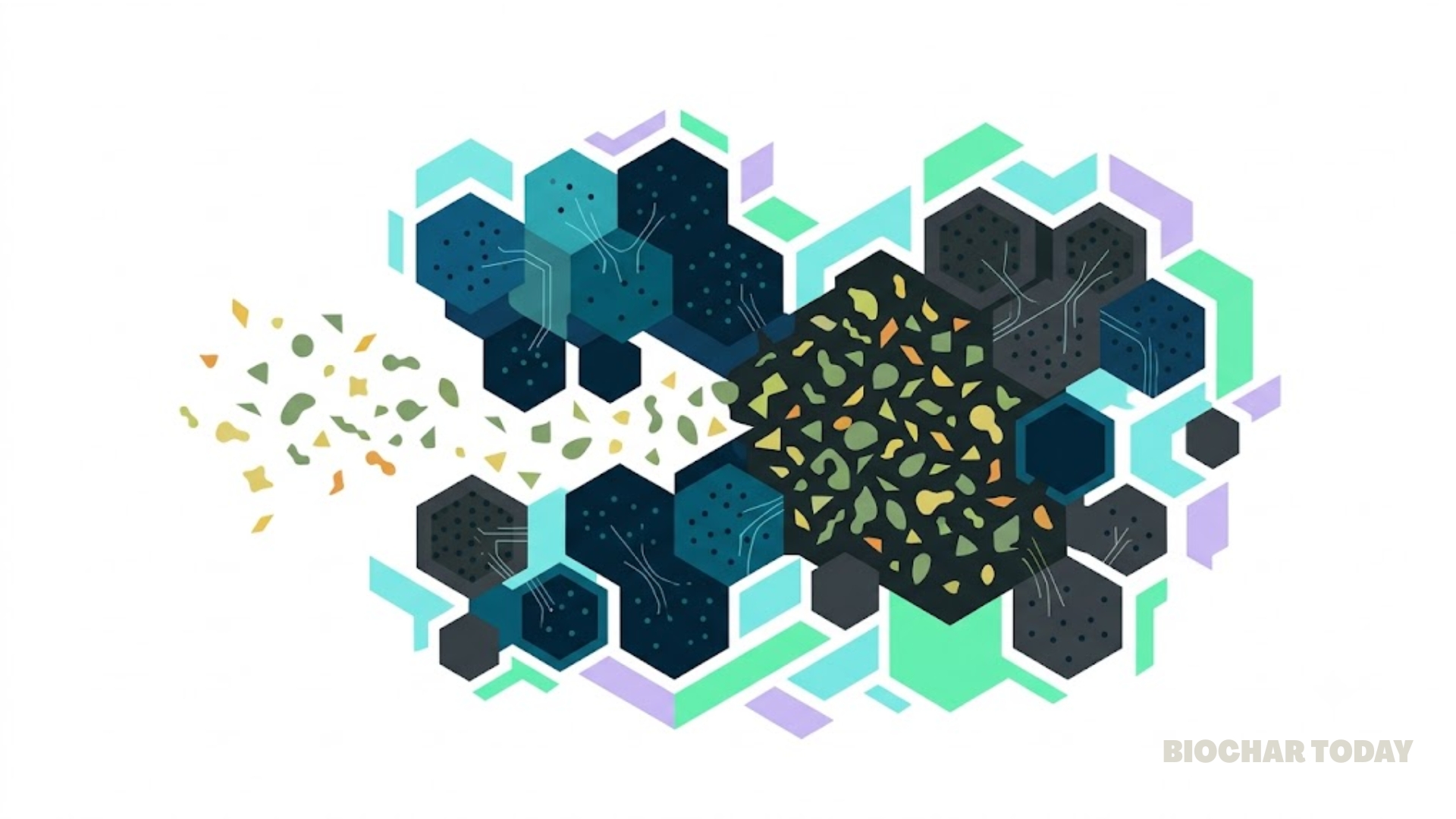
The macadamia nut shell biochar demonstrated impressive results, effectively removing antibiotics from water at neutral pHpH is a measure of how acidic or alkaline a substance is. A pH of 7 is neutral, while lower pH values indicate acidity and higher values indicate alkalinity. Biochars are normally alkaline and can influence soil pH, often increasing it, which can be beneficial More. This is crucial, as most water sources fall within this pH range. The key lies in the biochar’s highly porous structure and abundant surface functional groups, which act like magnets for antibiotic molecules.
But this study goes beyond simply proving the effectiveness of macadamia nut shell biochar. It also introduces a more sophisticated statistical approach known as Bayesian analysis. This method provides a more nuanced understanding of the adsorption process, enabling researchers to compare the binding strengths of different antibiotics to the biochar.
The benefits of this approach are twofold:
- Precise insights: Bayesian analysis avoids the limitations of traditional statistical methods, leading to more accurate and reliable conclusions.
- Enhanced research potential: This opens up new avenues for investigating the mechanisms of antibiotic adsorption and developing even more effective biochar materials.
This study paves the way for a promising solution to the growing problem of antibiotic contamination in water. By utilizing readily available waste materials like macadamia nut shells and employing advanced statistical techniques, we can move towards a cleaner and healthier future for all.

READ MORE
Na, Tuyen, et al (2024) Sorption of four antibiotics onto pristine biochar derived from macadamia nutshell. Bioresource Technology, Vol 394. https://doi.org/10.1016/j.biortech.2023.130281

Leave a Reply