
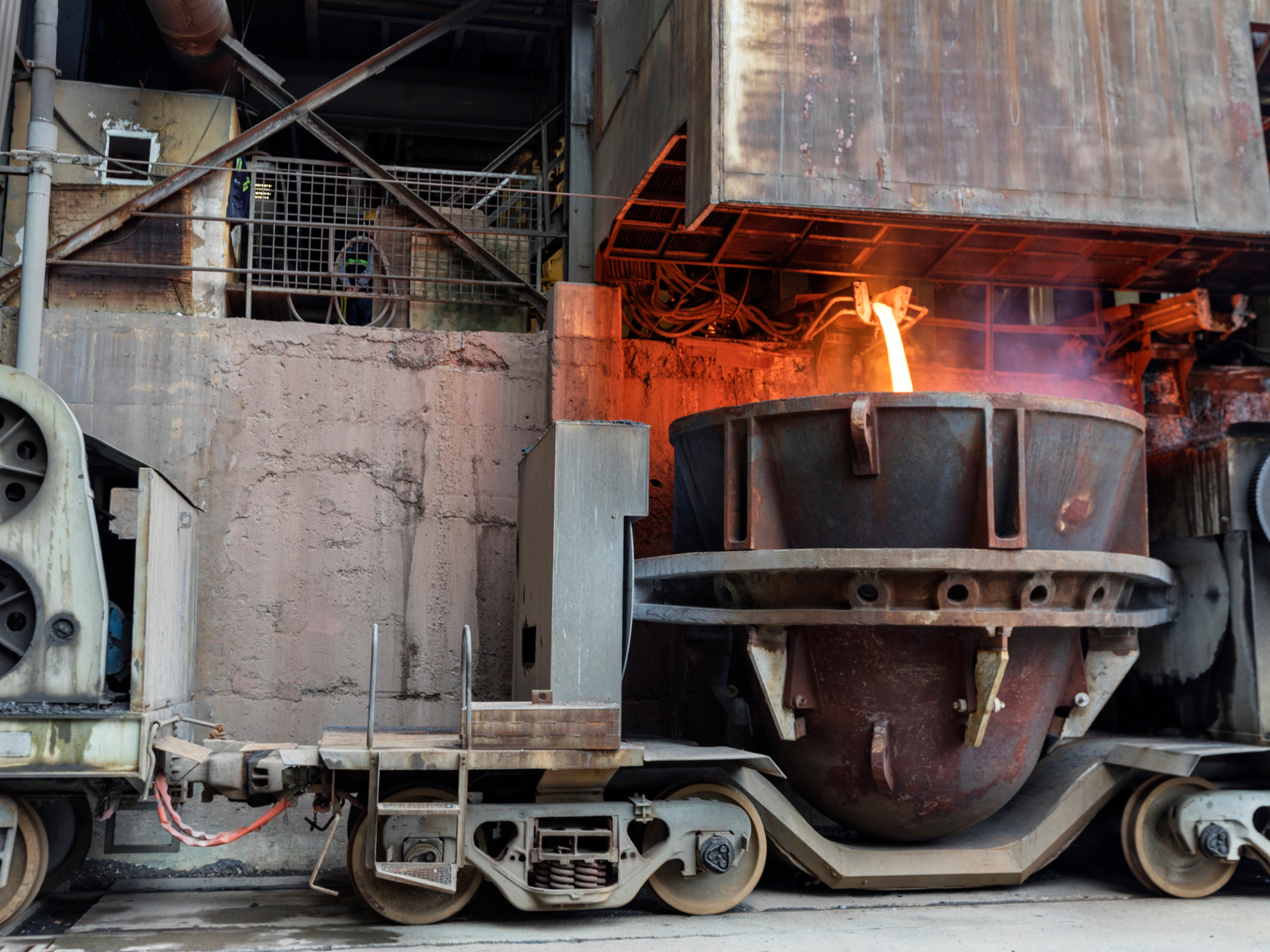

Copper slag, a byproduct of copper production, contains valuable metals like copper and nickel, but improper disposal leads to significant resource loss and environmental issues. Traditional methods of reducing these metals often use fossil fuels, which contribute to pollution. Recent research explored the use of biochar as a more sustainable alternative for the pyrometallurgical reduction of copper slag.
The study employed four types of biochar, derived from lignin and black pellets, which were pyrolyzed at different temperatures. Experiments were conducted at various temperatures (1250, 1300, and 1350 °C) to understand the reduction kinetics. The results showed that biochar effectively facilitates the reduction of valuable metals like copper and nickel, especially at lower temperatures. Compared to traditional coke, biochar was more effective, leading to faster reduction and better metal recovery.
Thermodynamic modeling confirmed the experimental findings, demonstrating that biochar not only reduces metals more efficiently but also helps in eliminating volatile impurities, which can be captured as gas. This makes biochar a promising fossil-free reducing agent that aligns with the growing need for cleaner industrial processes.
This research highlights the potential of biochar in making metal recovery from industrial waste more sustainable, offering a path forward for reducing environmental impact while recovering valuable resources from waste materials.




Leave a Reply