
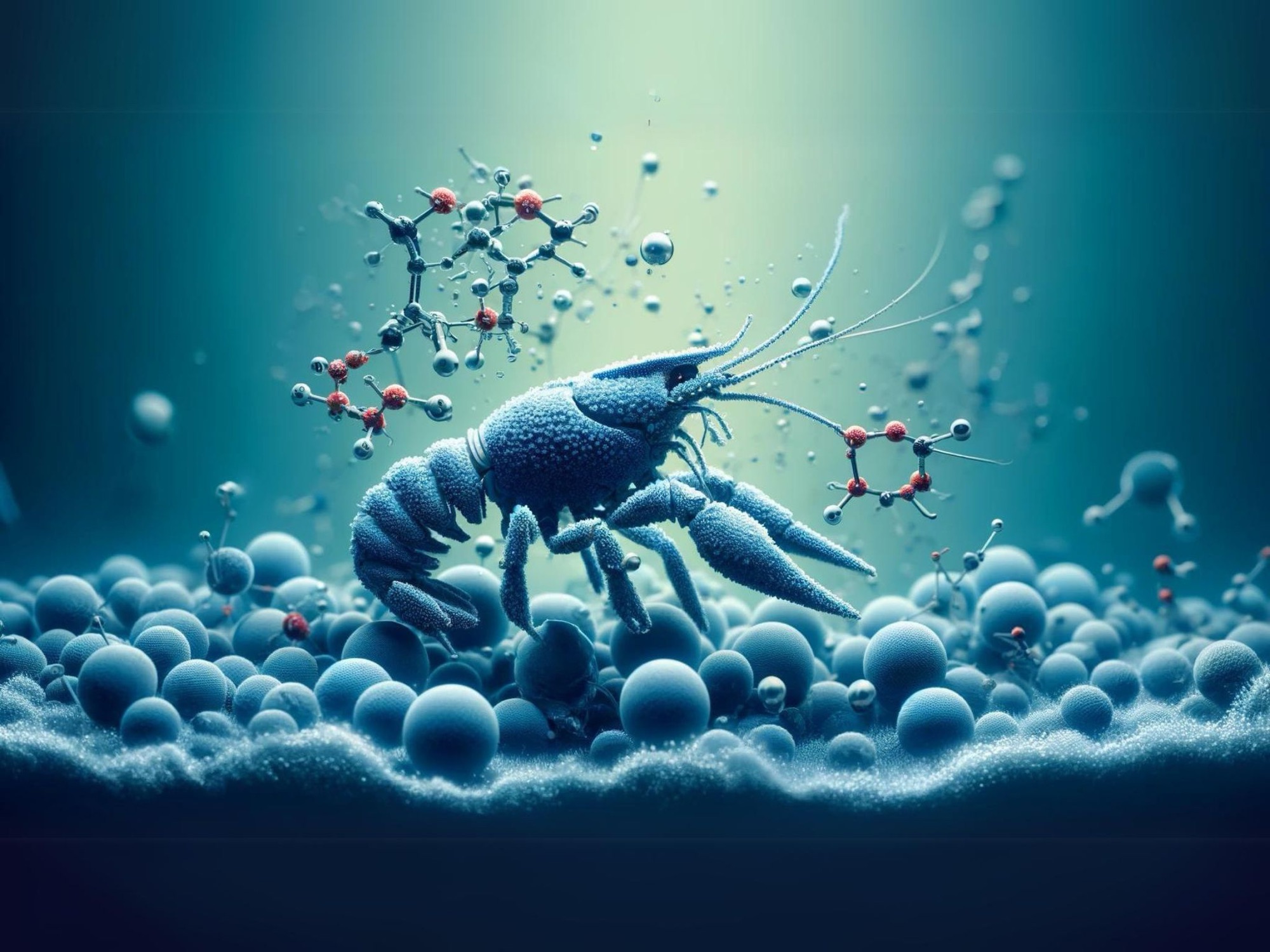

In the fight against environmental pollution caused by pesticides, a groundbreaking study has introduced a sustainable method utilizing crayfish shell biochar, activated by potassium hydroxide (KBC), to cleanse water of harmful chemicals. This research highlights the pressing issue of pesticide residue, which poses significant risks to both ecological and human health due to their stability and long persistence in the environment.
Pesticides like acetamiprid (ACE) and triadimefon (TDM) are particularly notorious for their resilience and are extensively used in agriculture to combat pests. However, their endurance in the environment can lead to dangerous accumulations in ecosystems and organisms, elevating risks to human health. Traditional methods for removing these substances from water include biodegradation and chemical treatments, but these can be costly and complex.
Enter KBC, a biochar produced from crayfish shells that has proven exceptionally effective in adsorbing these pesticides. The study’s batch experiments reveal that ACE’s removal is facilitated through a chemical reaction that is both spontaneous and exothermic, demonstrating KBC’s potent capability in binding and removing pesticides. The biochar showcases a maximum adsorption capacity of 40.41 mg/g for ACE, and it remains effective over multiple uses.
The mechanism behind this high efficiency involves multiple interactions, including van der Waals forces, pore filling, hydrogen bonding, and π-π electron donor-acceptor interactions. This multifaceted approach ensures that KBC can effectively target and trap pesticide molecules, offering a promising, eco-friendly solution to a global issue.
This innovative use of modified biochar not only addresses critical environmental concerns but also utilizes a waste material—crayfish shells—thereby contributing to waste reduction and promoting sustainability in environmental management practices.



Leave a Reply