


Tetracycline (TC), a widely used antibiotic, often contaminates aquatic environments due to its extensive use in healthcare and agriculture. Addressing this issue, researchers have developed a novel biochar, RK1.2BC, by co-pyrolyzing rapeseed residue with potassium bicarbonate (KHCO₃). This study, published in the Journal of Water Process Engineering, explores the characterization, performance, and mechanisms of RK1.2BC in removing TC from wastewater.
The activation process significantly enhanced the biochar’s properties, increasing its specific surface area to 1,570.28 m²/g and total pore volume to 0.94 cm³/g. These improvements led to a theoretical maximum TC adsorption capacity of 783.82 mg/g at 25°C and pHpH is a measure of how acidic or alkaline a substance is. A pH of 7 is neutral, while lower pH values indicate acidity and higher values indicate alkalinity. Biochars are normally alkaline and can influence soil pH, often increasing it, which can be beneficial More 6.0, which is approximately 12 times higher than that of non-activated biochar.
RK1.2BC maintained high adsorption efficiency across a broad pH range (2.0–11.0) and demonstrated resilience against interference from various anions, cations, and natural organic matter. In natural water conditions, the biochar achieved a TC adsorption capacity exceeding 402 mg/g and retained strong performance after five regeneration cycles.
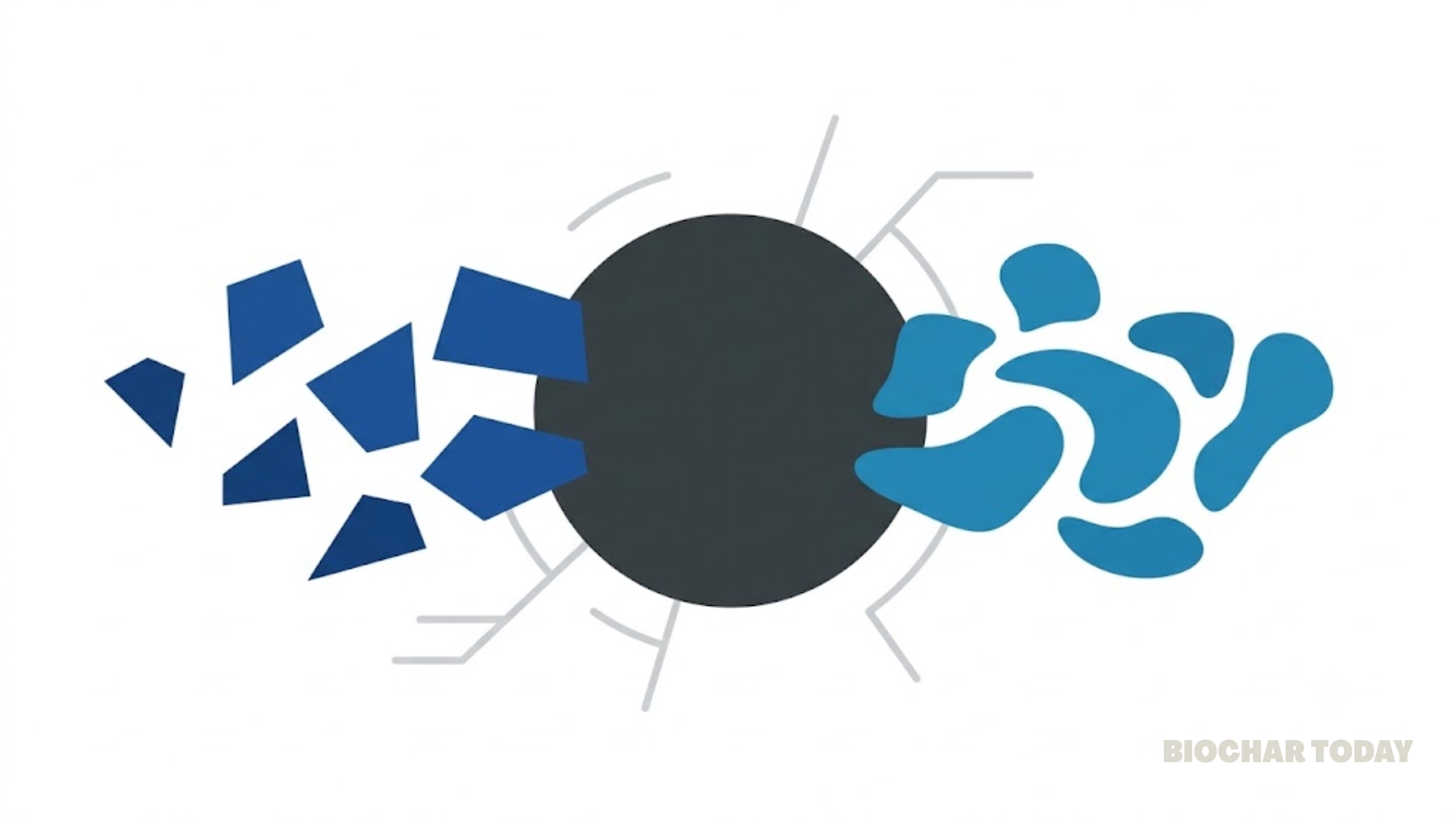
The study identified pore filling as the dominant adsorption mechanism, supplemented by π-π electron-donor-acceptor interactions, hydrophobic interactions, electrostatic interactions, and hydrogen bonding. These findings suggest that KHCO₃-activated biochar from rapeseed residue is a promising, sustainable solution for mitigating TC pollution in wastewater.
This research highlights the potential of utilizing agricultural waste to create effective adsorbents, offering a cost-effective and environmentally friendly approach to addressing antibiotic contamination in water systems.




Leave a Reply