
Buffi, et al (2024) Energy and GHG emissions assessment for biochar-enhanced advanced biofuels value chains. Energy Conversion and Management. https://doi.org/10.1016/j.enconman.2024.118450
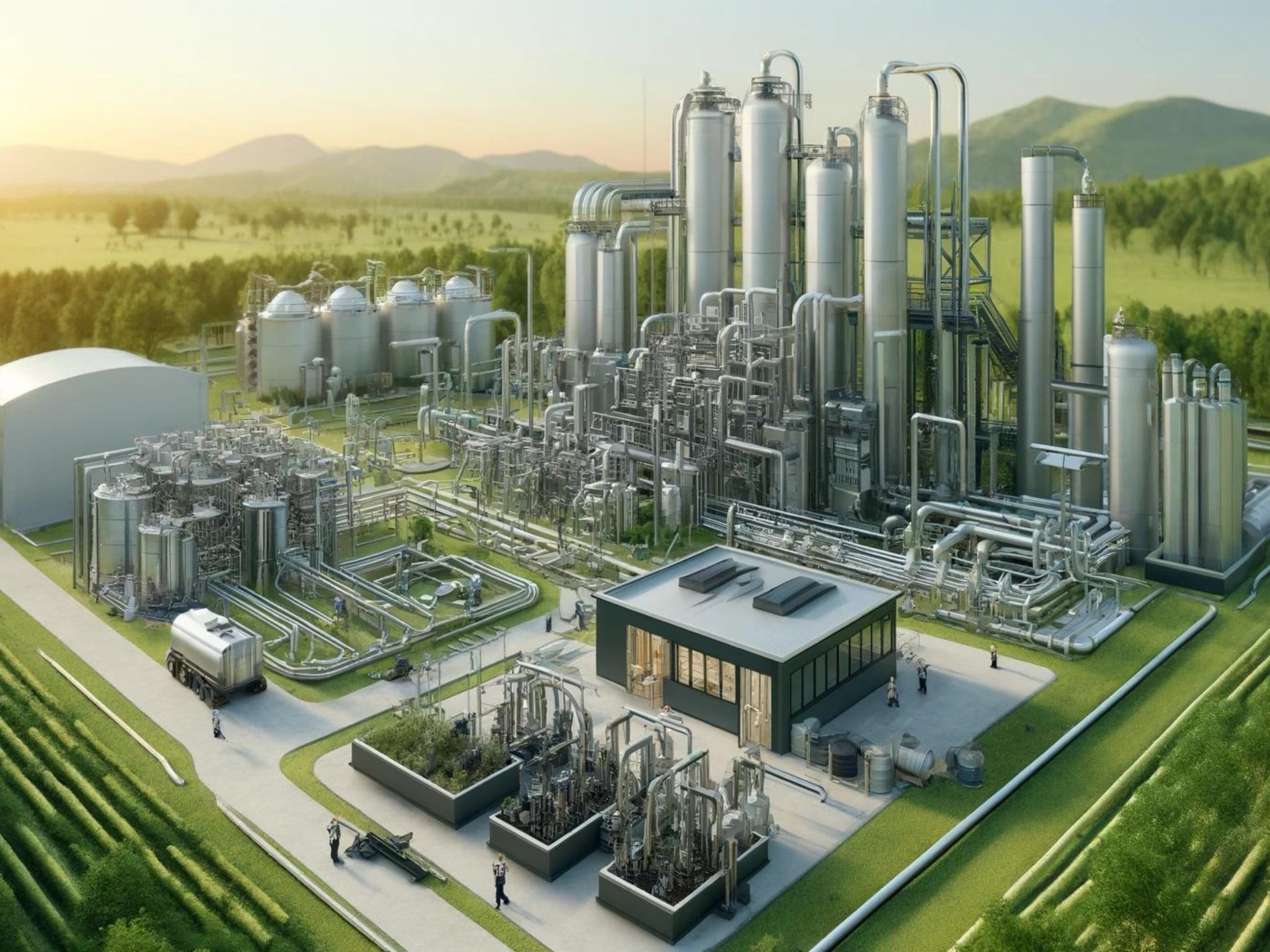
The urgent challenge of climate change drives the continuous innovation in carbon sequestration technologies, where biocharBiochar is a carbon-rich material created from biomass decomposition in low-oxygen conditions. It has important applications in environmental remediation, soil improvement, agriculture, carbon sequestration, energy storage, and sustainable materials, promoting efficiency and reducing waste in various contexts while addressing climate change challenges. More emerges as a potent solution in biofuel production, enhancing both environmental and economic benefits. This study introduces a novel integration of slow and fast pyrolysisPyrolysis is a thermochemical process that converts waste biomass into bio-char, bio-oil, and pyro-gas. It offers significant advantages in waste valorization, turning low-value materials into economically valuable resources. Its versatility allows for tailored products based on operational conditions, presenting itself as a cost-effective and efficient More processes in decentralized biorefineries, offering significant advancements in the production of drop-in biofuels and the co-production of biochar.
Biochar, a stable form of carbon, is derived from biomassBiomass is a complex biological organic or non-organic solid product derived from living or recently living organism and available naturally. Various types of wastes such as animal manure, waste paper, sludge and many industrial wastes are also treated as biomass because like natural biomass these More through pyrolysis. It acts not only as a carbon sink but also improves soil quality and supports advanced material production. By integrating slow pyrolysis for biochar production with fast pyrolysis for converting biomass into a liquid state, this approach optimizes the overall carbon efficiency of biofuel production. The resulting pyrolysis oil undergoes hydrotreating or gasificationGasification is a high-temperature, thermochemical process that converts carbon-based materials into a gaseous fuel called syngas and solid by-products. It takes place in an oxygen-deficient environment at temperatures typically above 750°C. Unlike combustion, which fully burns material to produce heat and carbon dioxide (CO2), gasification More followed by Fischer-Tropsch synthesis to produce high-quality biofuels.
This integrated method significantly reduces greenhouse gas (GHG) emissions, aiming for negative carbon emissions in advanced biofuel scenarios. For instance, the study demonstrates that the carbon intensity of biofuels can be drastically reduced, achieving up to –4.2 gCO2e MJ−1 for pyrolysis oil-based fuels and –20.2 gCO2e MJ−1 for Fischer-Tropsch-based fuels. These impressive figures underline the potential for truly sustainable biofuel production that not only meets but exceeds current EU decarbonization targets.
Furthermore, the study highlights that an integrated biorefinery with a capacity of 100 MW could deliver additional substantial annual GHG savings. The methodology established in this research lays a robust foundation for future innovations in Bioenergy Carbon Capture and Storage (BECCS) solutions, marking a significant step forward in leveraging biochar for environmental sustainability.
The proposed system not only aligns with the European Green Deal but also sets a new benchmark for integrating biochar production within biofuel value chains, emphasizing the importance of full lifecycle carbon accounting and optimized resource utilization. This forward-thinking approach promises to enhance the role of biochar in global carbon management strategies, potentially revolutionizing the biofuel industry with its dual benefits of energy production and carbon sequestration.





Leave a Reply