

Lui, et al (2024) Evaluation Study of the Passivation Effect of Arsenic-Contaminated Farmland Soil. Processes. https://doi.org/10.3390/pr12122802
Arsenic contamination in farmland poses significant environmental and health risks, particularly in regions with mining activity. In China, approximately 20% of farmland is affected by heavy metal pollution. This study focuses on in situ passivation—a remediation technique aimed at reducing arsenic bioavailability in soil to minimize its uptake by crops.
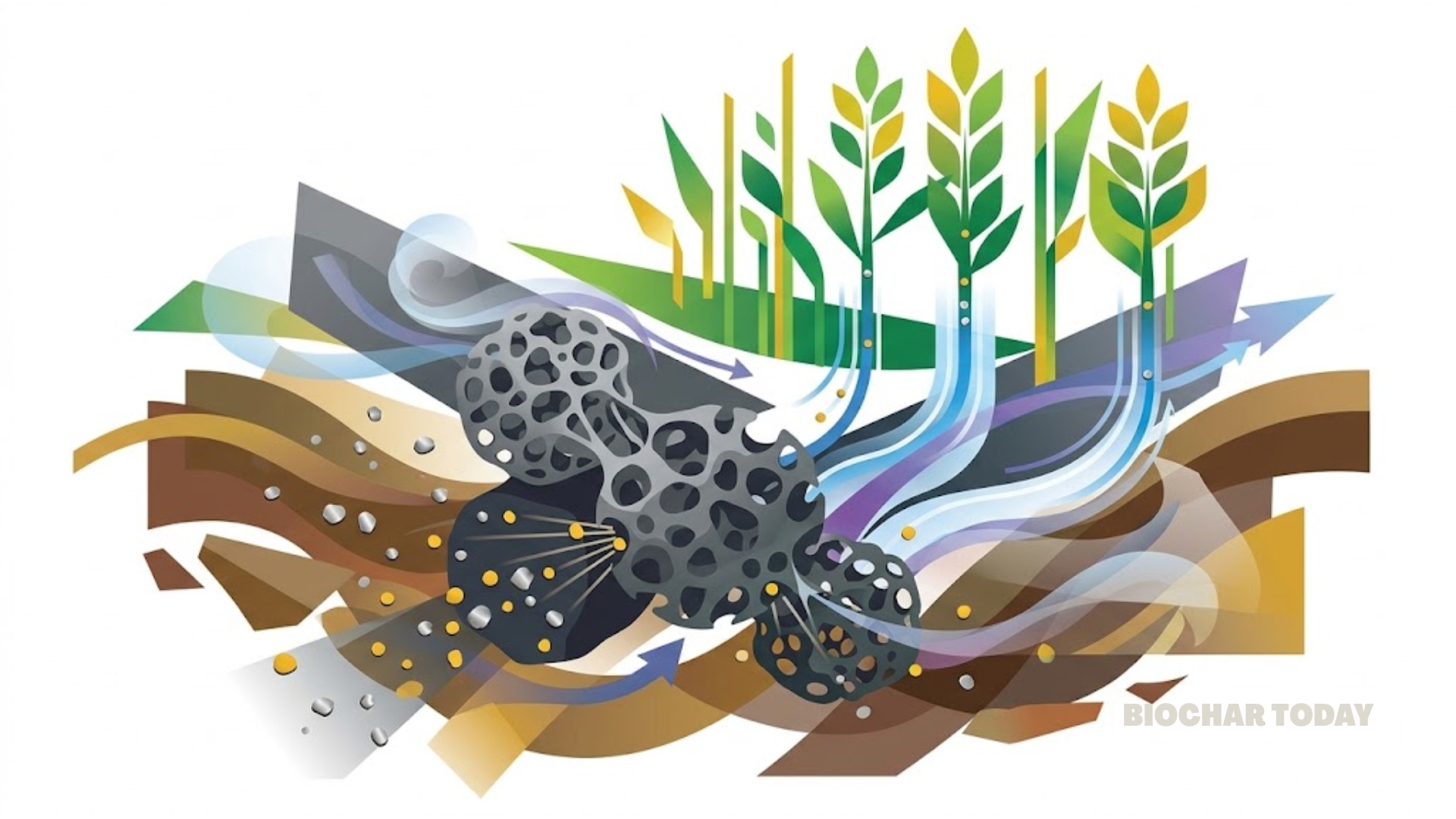
Five passivation materials were tested: iron-based biocharBiochar is a carbon-rich material created from biomass decomposition in low-oxygen conditions. It has important applications in environmental remediation, soil improvement, agriculture, carbon sequestration, energy storage, and sustainable materials, promoting efficiency and reducing waste in various contexts while addressing climate change challenges. More, coffee residue, red mud, chitosan-modified iron filings, and modified minerals. These materials were evaluated for their ability to stabilize arsenic while maintaining or improving soil properties and plant growth. The study revealed that iron-based biochar achieved the most effective arsenic immobilization, reducing bioavailable arsenic by 60.22%.
To simplify evaluation processes, researchers developed an improved assessment method using soil indicators instead of plant-based metrics. Key soil properties—total nitrogen, total phosphorus, catalase activity, and available arsenic—were identified as reliable predictors of remediation success. These indicators provided a more practical and efficient approach compared to traditional reliance on crop growth and safety traits.
Although all tested materials reduced arsenic levels in water spinach below national safety limits, iron-based biochar emerged as the most efficient option. This study highlights the potential of soil-focused evaluation methods to streamline the assessment of soil remediation practices, making them faster and more accessible for widespread application. Further field studies are necessary to validate the scalability of these findings across diverse agricultural contexts.


Leave a Reply