
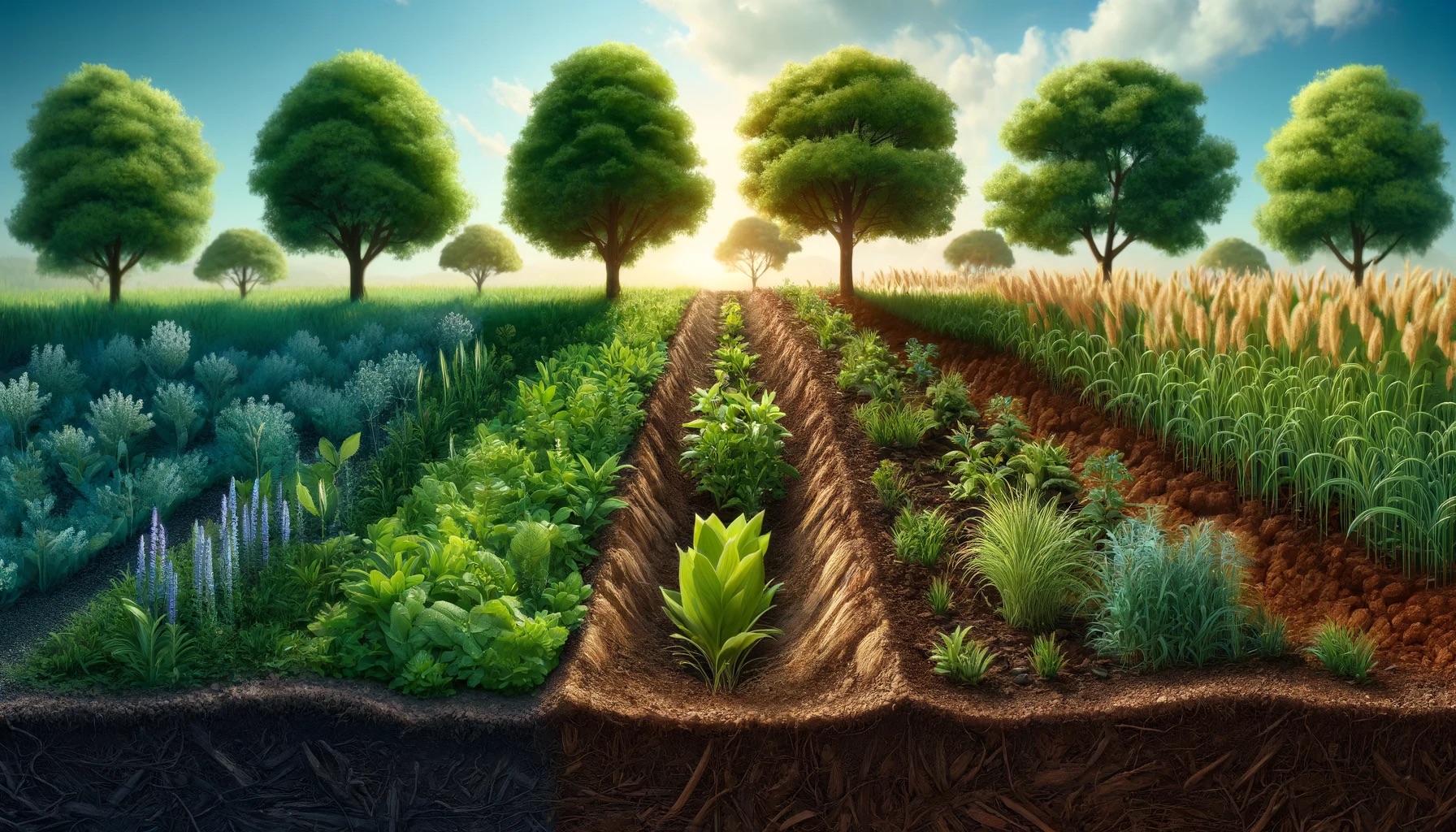
Liao, J.X., So, P.S., Bordoloi, S. et al. Plant performance and soil–plant carbon relationship response to different biocharBiochar is a carbon-rich material created from biomass decomposition in low-oxygen conditions. It has important applications in environmental remediation, soil improvement, agriculture, carbon sequestration, energy storage, and sustainable materials, promoting efficiency and reducing waste in various contexts while addressing climate change challenges. More types. Biochar6, 75 (2024). https://doi.org/10.1007/s42773-024-00355-w
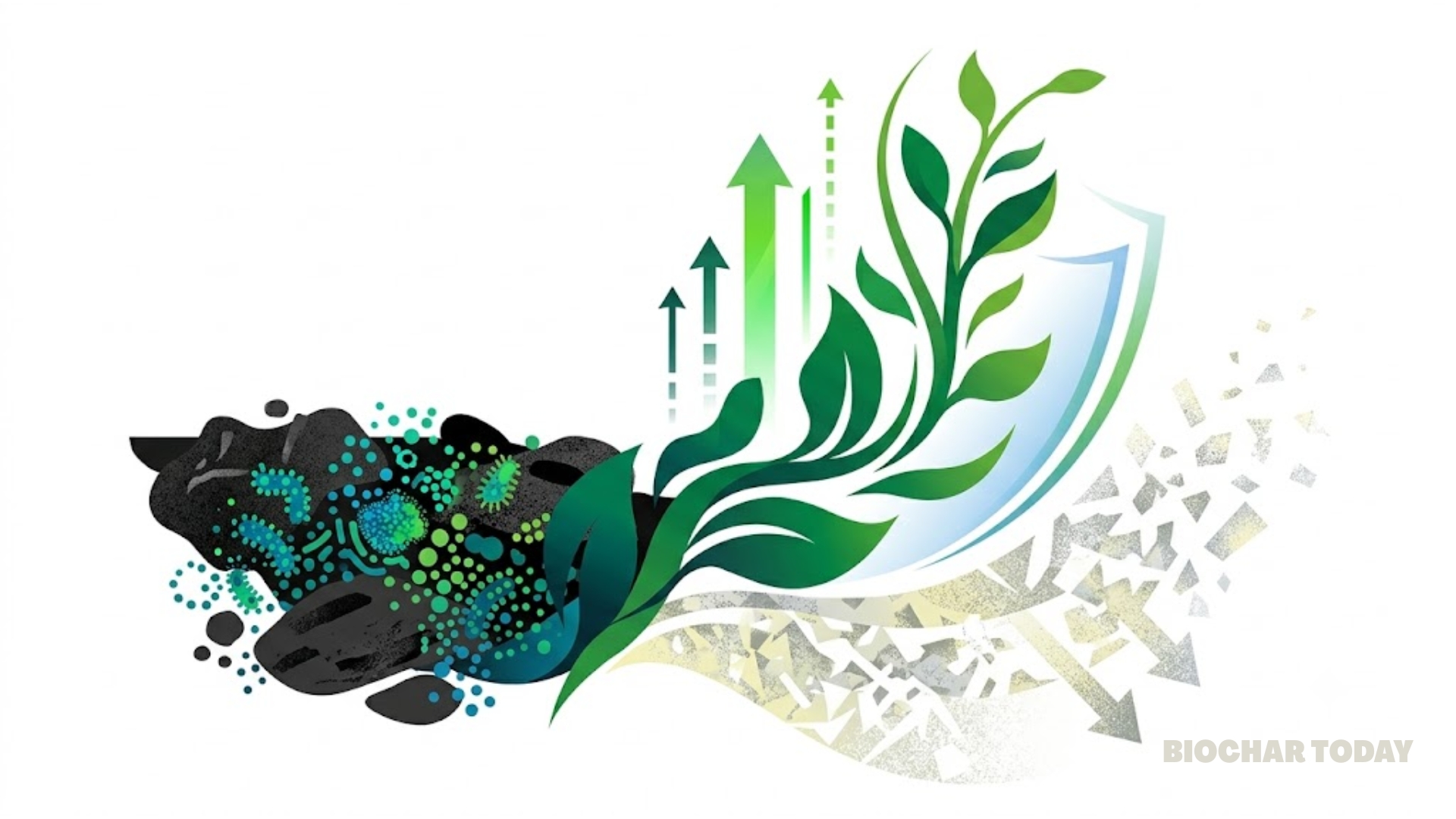
Biochar, a carbon-rich material produced via pyrolysisPyrolysis is a thermochemical process that converts waste biomass into bio-char, bio-oil, and pyro-gas. It offers significant advantages in waste valorization, turning low-value materials into economically valuable resources. Its versatility allows for tailored products based on operational conditions, presenting itself as a cost-effective and efficient More, can significantly affect plant growth and soil carbon dynamics. A recent study explored how different biochar types—wood, peanut shell, eggshell, rice, and soybean—impact plant performance and the soil-plant carbon relationship.
The results showed that biochar’s effects vary depending on plant species and biochar type. Wood biochar was beneficial for Rhodomyrtus tomentosa and Cyclobalanopsis edithiae, improving water retention, stomatal conductance (gs), and leaf area index (LAI). Conversely, peanut shell biochar increased soil salinity, which proved detrimental to these species. However, it enhanced carbon storage in Schefflera arboricola, suggesting that this biochar is better suited for species with higher salinity tolerance.
The study also found a negative correlation between soil organic carbon and plant carbon content in soils treated with wood and peanut shell biochar, indicating that plants rely more on soil carbon for growth in these conditions. Additionally, the study proposed an empirical model to describe the relationship between LAI and stomatal conductance, demonstrating that plant gs plateaus when LAI exceeds a value of 3.
Overall, wood biochar was recommended for promoting plant growth, while peanut shell biochar was most effective for carbon storage in specific species. These findings provide valuable insights for ecological restoration and soil carbon management efforts.



Leave a Reply