
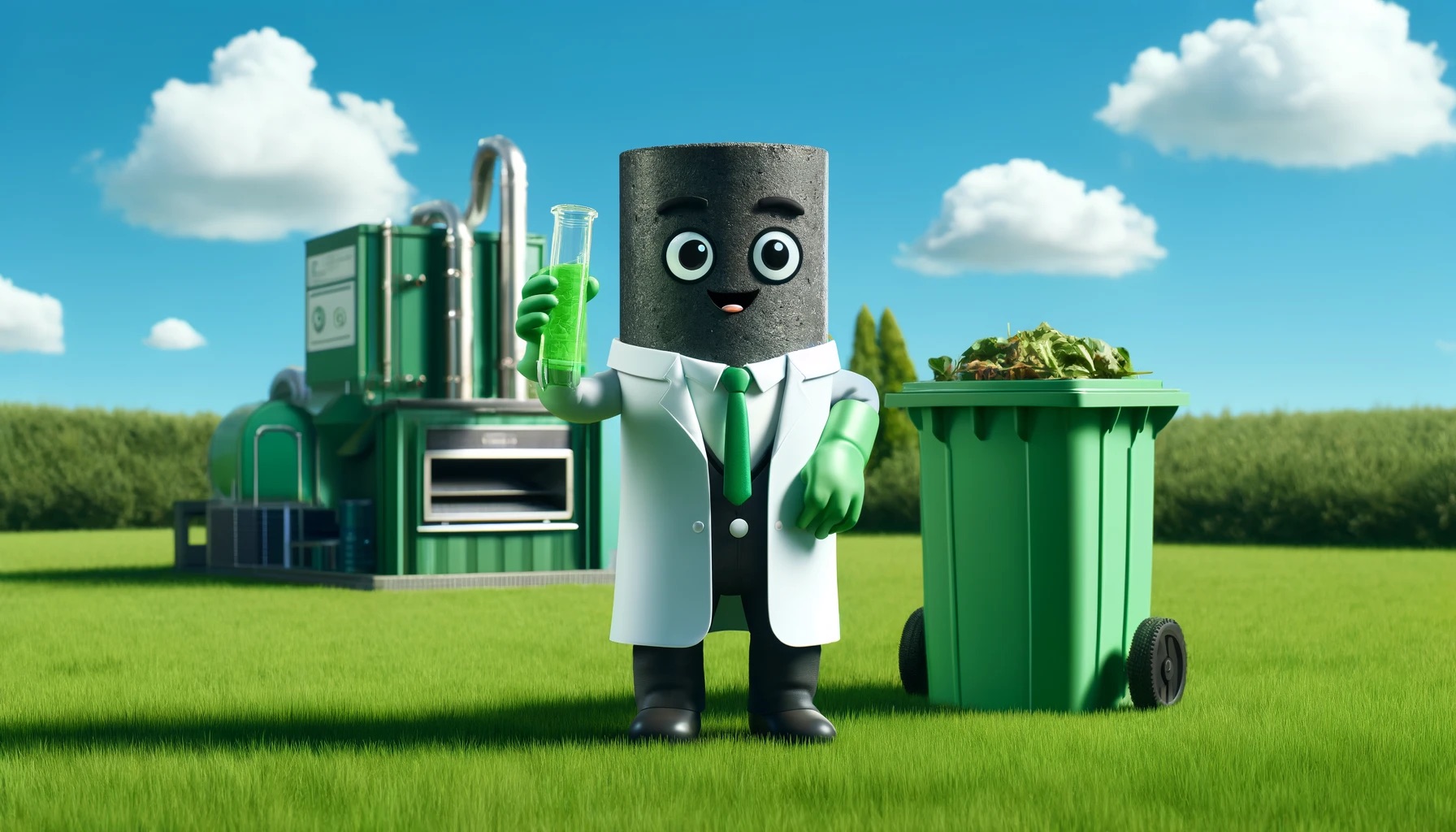

Hydrothermal-enhanced pyrolysisPyrolysis is a thermochemical process that converts waste biomass into bio-char, bio-oil, and pyro-gas. It offers significant advantages in waste valorization, turning low-value materials into economically valuable resources. Its versatility allows for tailored products based on operational conditions, presenting itself as a cost-effective and efficient More for efficient NOX reduction and biocharBiochar is a carbon-rich material created from biomass decomposition in low-oxygen conditions. It has important applications in environmental remediation, soil improvement, agriculture, carbon sequestration, energy storage, and sustainable materials, promoting efficiency and reducing waste in various contexts while addressing climate change challenges. More valorization from food waste digestate. Waste Management. https://doi.org/10.1016/j.wasman.2024.05.007
In a study published in Waste Management (Volume 183, June 2024), researchers explored an approach to address the challenges of food waste digestate (DFW) disposal and nitrogen oxide (NOX) emissions. The research team, led by Mingshuai Shao and colleagues, investigated the use of hydrothermal-enhanced pyrolysis for efficient NOX reduction and biochar valorization from DFW.
The process begins with hydrothermal treatment (HTT), which pre-treats the digestate. This step significantly reduces nitrogen content by 49.10% to 81.79%, thereby lowering NOX precursors in the subsequent pyrolysis stage. This dual approach controls harmful emissions and enhances the physical properties of the resulting biochar. Notably, the specific surface area of biochar increased from 25 m²/g to between 60-73 m²/g, while the total pore volume doubled, indicating improved adsorbability.
Furthermore, the hydrothermal process enriches the biochar with oxygen-containing functional groups and calcium, leading to phosphate removal efficiency from wastewater, peaking at 94%. These enhancements make the biochar useful for environmental applications, particularly in wastewater treatment.
The study highlights the potential of hydrothermal-enhanced pyrolysis as a method for managing food waste digestate. By mitigating NOX emissions and producing high-quality biochar, this approach offers a sustainable solution that could improve waste management practices. The findings suggest further development and application of this technology to maximize its environmental benefits and commercial viability.

Leave a Reply