
Lin, et al (2024) Effect of crystalline admixtures on shrinkage and alkali-silica reaction of biochar-cementitious composites. Developments in the Built Environment. https://doi.org/10.1016/j.dibe.2024.100456
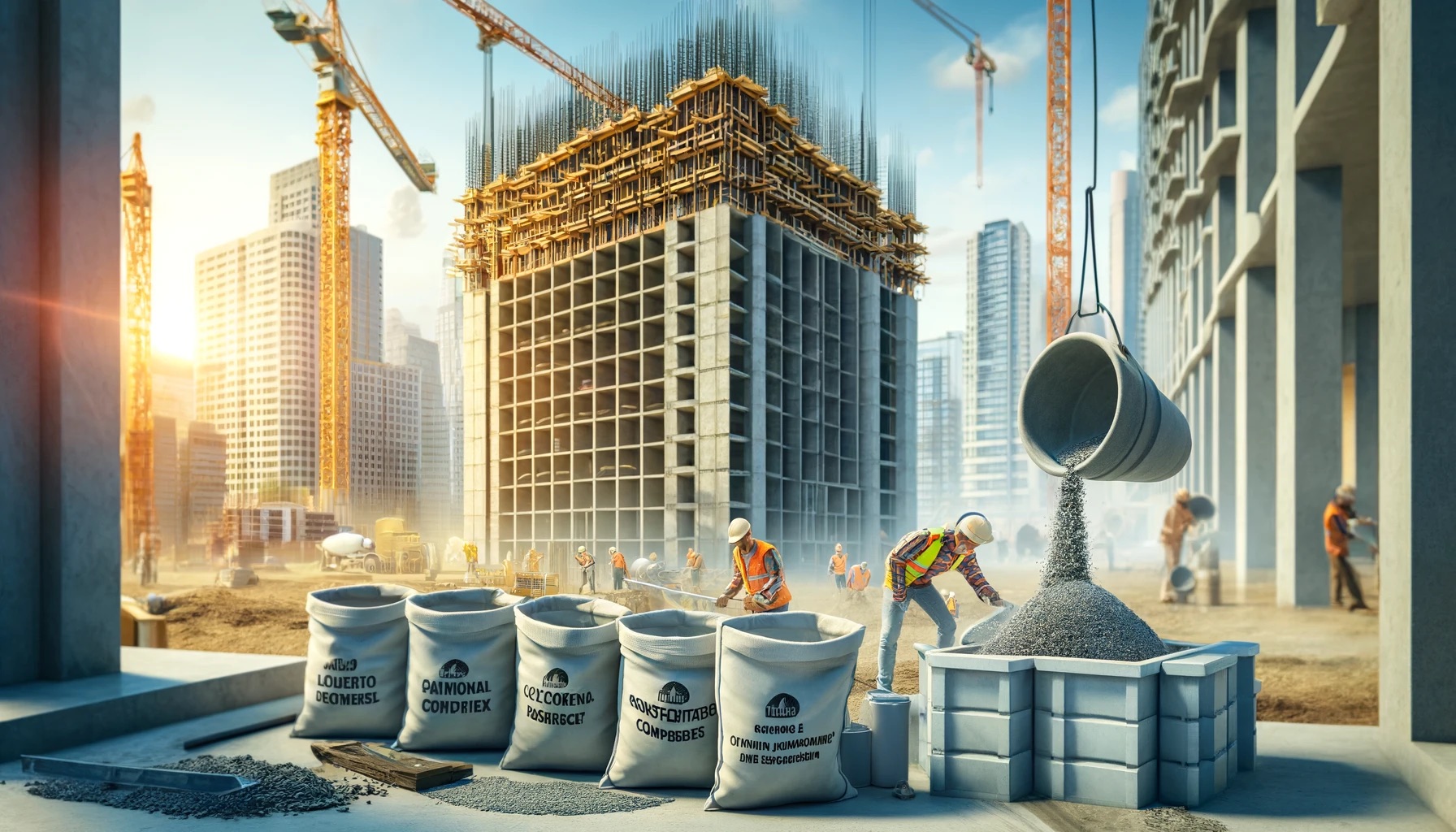
A recent study published in Developments in the Built Environment investigates how crystalline admixtures (CAs) impact the shrinkage and alkali-silica reactions (ASRs) in biochar-cement composites. The research team, including Xuqun Lin and Arnaud Castel, focused on the effects of adding 1–1.5% superabsorbent polymer (SAP) and CAs to these composites.
The study found that while SAP effectively mitigated autogenous shrinkage, it slightly increased the 120-day total shrinkage by 5.7%. In contrast, adding 1–1.5% CA did not affect autogenous shrinkage but reduced the 120-day total shrinkage by 10.1%. Interestingly, combining CA with waste wood biocharBiochar is a carbon-rich material created from biomass decomposition in low-oxygen conditions. It has important applications in environmental remediation, soil improvement, agriculture, carbon sequestration, energy storage, and sustainable materials, promoting efficiency and reducing waste in various contexts while addressing climate change challenges. More (WWB) showed significant improvements, reducing autogenous shrinkage by 24.23% and total shrinkage by 23.6%. This combination also resulted in the lowest apparent porosityPorosity of biochar is a key factor in its effectiveness as a soil amendment and its ability to retain water and nutrients. Biochar’s porosity is influenced by feedstock type and pyrolysis temperature, and it plays a crucial role in microbial activity and overall soil health. Biochar More due to the formation of hydration products that densified the cementitious matrix, reducing water evaporation.
For ASRs, specimens exposed to 1 M NaOH solution at 80°C showed that CA addition alone significantly reduced the 120-day expansion by 50.6%, while the combination of CA and WWB reduced it by 42.9%. These findings suggest that the integration of CA and biochar can enhance the durability and stability of cementitious composites.
The implications of these results are promising for sustainable construction practices. By utilizing local biochar to partially replace cement, the industry can improve the mechanical properties and durability of concrete structures, while also managing biomassBiomass is a complex biological organic or non-organic solid product derived from living or recently living organism and available naturally. Various types of wastes such as animal manure, waste paper, sludge and many industrial wastes are also treated as biomass because like natural biomass these More waste effectively. This research underscores the potential for biochar and CAs to contribute to more resilient and environmentally friendly building materials.




Leave a Reply