

Sarfraz, et al (2024) Unlocking Plant Defense: Exploring the Nexus of BiocharBiochar is a carbon-rich material created from biomass decomposition in low-oxygen conditions. It has important applications in environmental remediation, soil improvement, agriculture, carbon sequestration, energy storage, and sustainable materials, promoting efficiency and reducing waste in various contexts while addressing climate change challenges. More and Ca2+ Signaling. Plant Stress. https://doi.org/10.1016/j.stress.2024.100584
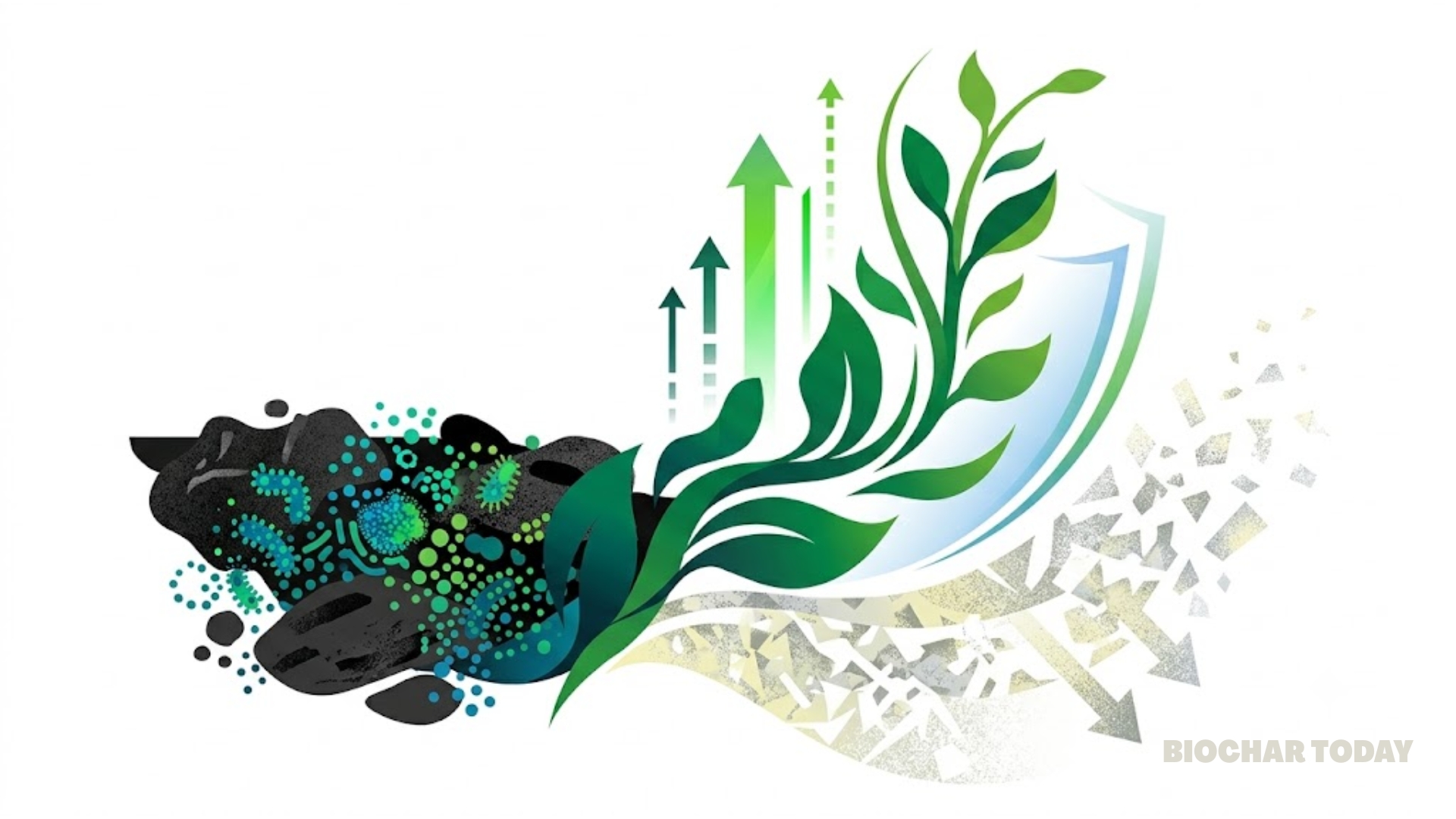
Biochar, a carbon-rich product derived from the pyrolysisPyrolysis is a thermochemical process that converts waste biomass into bio-char, bio-oil, and pyro-gas. It offers significant advantages in waste valorization, turning low-value materials into economically valuable resources. Its versatility allows for tailored products based on operational conditions, presenting itself as a cost-effective and efficient More of organic biomassBiomass is a complex biological organic or non-organic solid product derived from living or recently living organism and available naturally. Various types of wastes such as animal manure, waste paper, sludge and many industrial wastes are also treated as biomass because like natural biomass these More, is gaining attention in sustainable agriculture for its potential to enhance soil quality and plant health. Recent research highlights a promising interaction between biochar application and calcium ion (Ca²⁺) signaling, a crucial pathway in plant defense mechanisms.
When applied to soil, biochar can significantly alter the soil’s physicochemical properties, improving the availability of essential nutrients, including Ca²⁺. This increased availability of calcium ions is vital for triggering a range of plant defense responses against both biotic (pathogens and pests) and abiotic (drought, salinity, extreme temperatures) stresses. Ca²⁺ acts as a secondary messenger in plant cells, facilitating the activation of defense genes, reinforcing cell walls, and regulating ion channels and signaling proteins.
Biochar also influences microbial activity in the soil, promoting beneficial interactions that further enhance plant resilience. The priming of plant defense genes and the reinforcement of cell wall barriers are among the key processes enhanced by biochar-induced Ca²⁺ signaling, leading to improved plant immunity.
Despite significant progress, the complex mechanisms by which biochar influences Ca²⁺ signaling and plant defense are still not fully understood. Future research, particularly utilizing advanced imaging and omics techniques, is essential to unravel these interactions and develop optimized biochar applications for sustainable agriculture.
This synergy between biochar and Ca²⁺ signaling offers a promising avenue for enhancing crop resilience, crucial for addressing global food security challenges in the face of climate change and emerging plant diseases.




Leave a Reply