

Drenning (2024) Opportunity Windows and Added Value of Gentle Remediation Options for Contaminated Land Management. [Doctoral Thesis]. https://research.chalmers.se/publication/540288/file/540288_Fulltext.pdf
Contaminated land presents significant risks to human health and the environment, traditionally addressed by conventional remediation methods such as excavation and landfilling. While effective, these methods often lead to environmental degradation and the loss of valuable ecosystem services provided by soil. As the demand for sustainable land management grows, alternative approaches like Gentle Remediation Options (GRO) are gaining attention. In his PhpH is a measure of how acidic or alkaline a substance is. A pH of 7 is neutral, while lower pH values indicate acidity and higher values indicate alkalinity. Biochars are normally alkaline and can influence soil pH, often increasing it, which can be beneficial More.D. thesis at Chalmers University of Technology, Paul Drenning explores the potential of GRO as a more sustainable and integrated method for managing contaminated sites.
Understanding Gentle Remediation Options (GRO)
Gentle Remediation Options (GRO) encompass a range of techniques that utilize plants, fungi, bacteria, and soil amendments to manage risks at contaminated sites. Unlike traditional methods that involve soil removal or chemical treatments, GRO focuses on improving soil health while containing or reducing the bioavailability of contaminants. These techniques are particularly suited for large areas and sites where contamination poses low to medium risks.
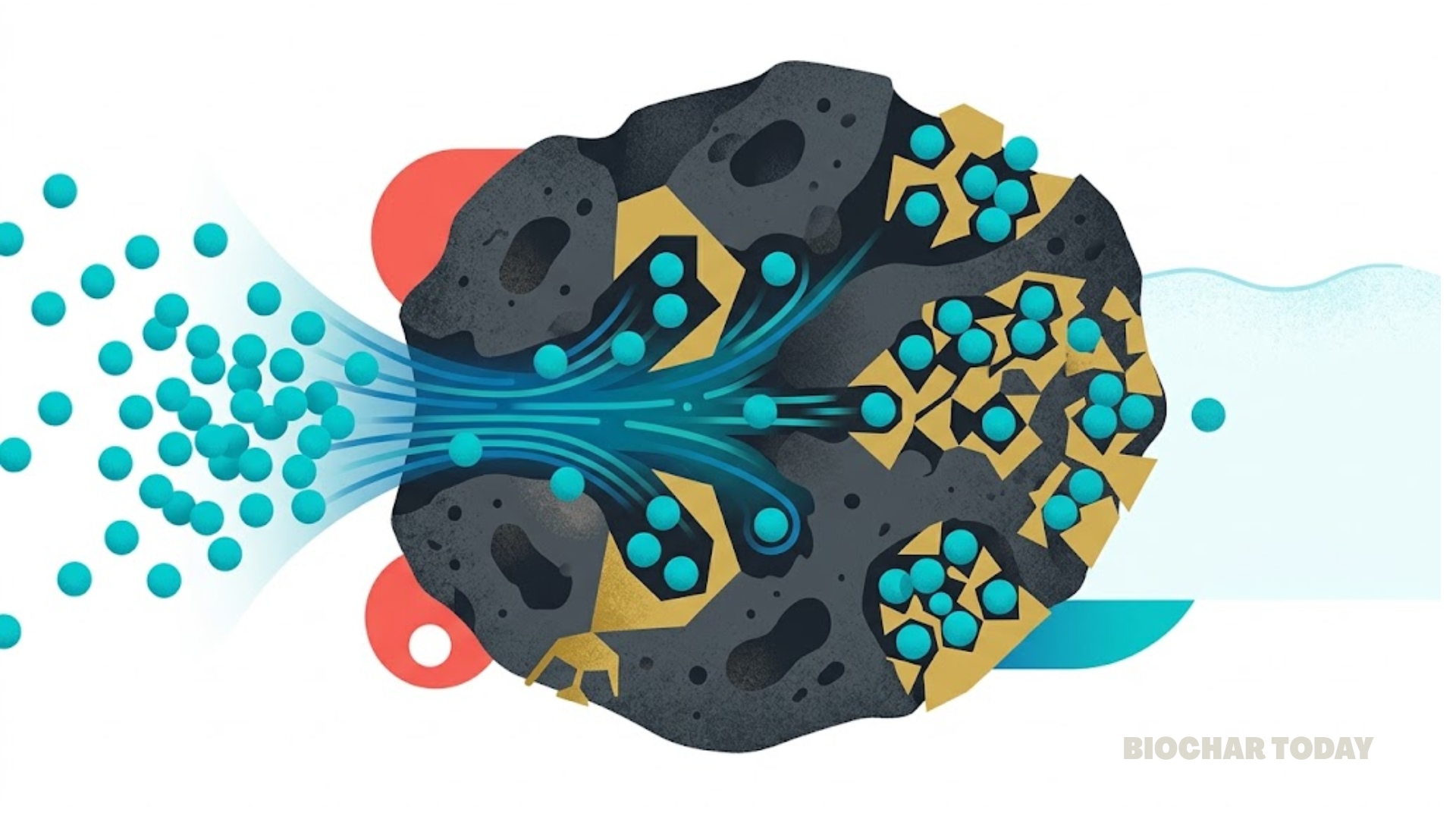
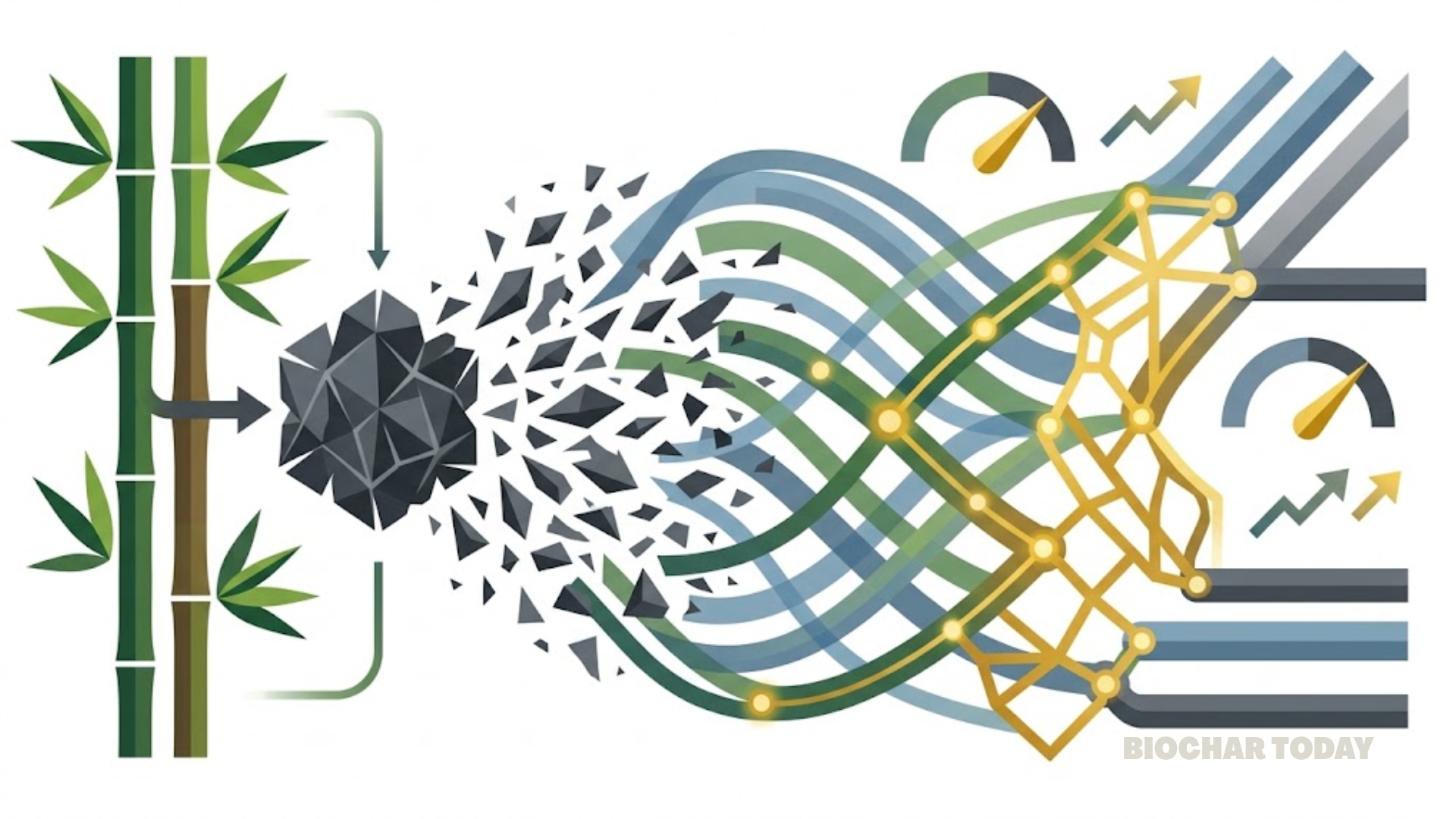
Drenning’s research highlights several GRO techniques, including phytoremediationThis is a technique that uses plants to clean up contaminated soil or water. Biochar can enhance phytoremediation by improving soil conditions and promoting plant growth, allowing plants to absorb and break down pollutants more effectively. More, which uses plants to extract, degrade, or stabilize contaminants, and bioremediation, which leverages microorganisms to break down harmful substances in the soil. Another promising technique discussed in the thesis is the use of biocharBiochar is a carbon-rich material created from biomass decomposition in low-oxygen conditions. It has important applications in environmental remediation, soil improvement, agriculture, carbon sequestration, energy storage, and sustainable materials, promoting efficiency and reducing waste in various contexts while addressing climate change challenges. More, a carbon-rich product derived from organic materials, which can immobilize contaminants and enhance soil health. The key advantage of GRO, as Drenning notes, is its ability to restore the ecological functions of the soil while addressing contamination, thereby maintaining or even enhancing the ecosystem services provided by the soil.
Benefits and Challenges of GRO
Drenning’s work emphasizes that the application of GRO offers benefits beyond contamination management. By improving soil health, GRO can enhance the soil’s ability to provide essential ecosystem services such as water filtration, carbon sequestration, and biodiversity habitats. Furthermore, GRO can contribute to the economic and social revitalization of brownfield sites—urban areas that are underused or abandoned—by making them suitable for development into green spaces or other community assets.
However, Drenning also identifies challenges in the adoption of GRO. One of the primary obstacles is the longer time frame required for these methods to achieve significant reductions in contaminant levels compared to conventional techniques. Additionally, there is a lack of widespread knowledge and understanding of GRO among land management practitioners and policymakers, which can limit its application. The variability in site conditions necessitates that GRO be carefully tailored to each location, complicating the planning and implementation process.
Promoting the Use of GRO in Contaminated Land Management
Drenning’s research advocates for greater dissemination of knowledge and best practices related to GRO to overcome these challenges. His studies emphasize the importance of developing risk management frameworks that incorporate GRO and explore the economic and social profitability of these methods compared to traditional remediation techniques. By providing scientific evidence and practical tools, Drenning’s work supports the broader adoption of GRO in contaminated land management.
In conclusion, Drenning’s thesis illustrates that Gentle Remediation Options offer a promising alternative to conventional remediation methods, with the potential to restore contaminated lands in a manner that benefits both the environment and society. Continued research and knowledge sharing are essential to unlocking the full potential of these nature-based solutions in land management practices.


Leave a Reply