
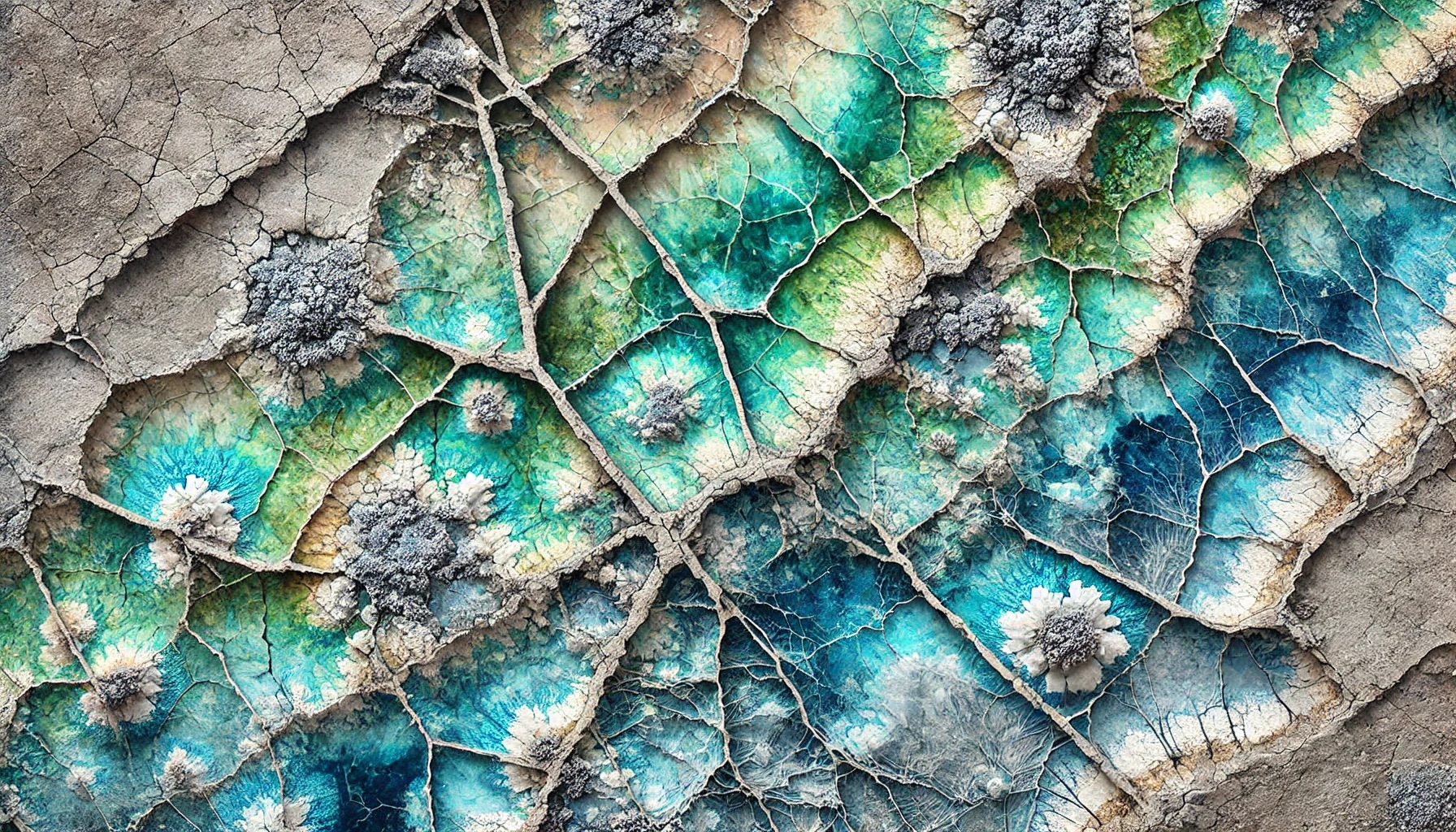
Concrete cracks, especially in coastal environments, pose a significant challenge to infrastructure durability. Recent research explored the self-healing potential of cement composites enriched with crystalline admixtures (CA) and waste wood biocharBiochar is a carbon-rich material created from biomass decomposition in low-oxygen conditions. It has important applications in environmental remediation, soil improvement, agriculture, carbon sequestration, energy storage, and sustainable materials, promoting efficiency and reducing waste in various contexts while addressing climate change challenges. More (WWB), aiming to enhance repair processes in aggressive conditions like seawater and sulphate exposure.
The study examined four sample types: plain cement, CA-enhanced cement, WWB-cement, and a combination of CA and WWB. Samples were exposed to either simulated seawater or a 5% sodium sulphate solution, with conditions alternating between immersion and drying cycles. Over 42 days, self-healing was monitored through optical microscopy and chemical analysis.
Results showed that CA significantly improved self-healing performance, achieving complete crack closure within 42 days, regardless of the addition of WWB. In contrast, samples without CA showed limited healing (approximately 40-45% crack closure). Adding WWB led to more tortuous crack paths, potentially aiding the healing process by providing more sites for product formation, but it did not independently enhance self-healing.
Chemical analysis identified calcite as the primary self-healing product, with minor contributions from ettringite and brucite. The alternating wet-dry cycles in seawater proved particularly effective for CA-based samples, promoting both healing efficiency and product formation.
This research highlights CA as a promising addition for improving concrete resilience in harsh environments. While WWB contributes to durability and sustainability, further studies are needed to optimize its self-healing benefits.
Lin, et al (2025) Self-healing of biochar-cement composites with crystalline admixture exposed to sulphate solution and simulated seawater. Journal of Building Engineering. https://doi.org/10.1016/j.jobe.2024.111564




Leave a Reply