
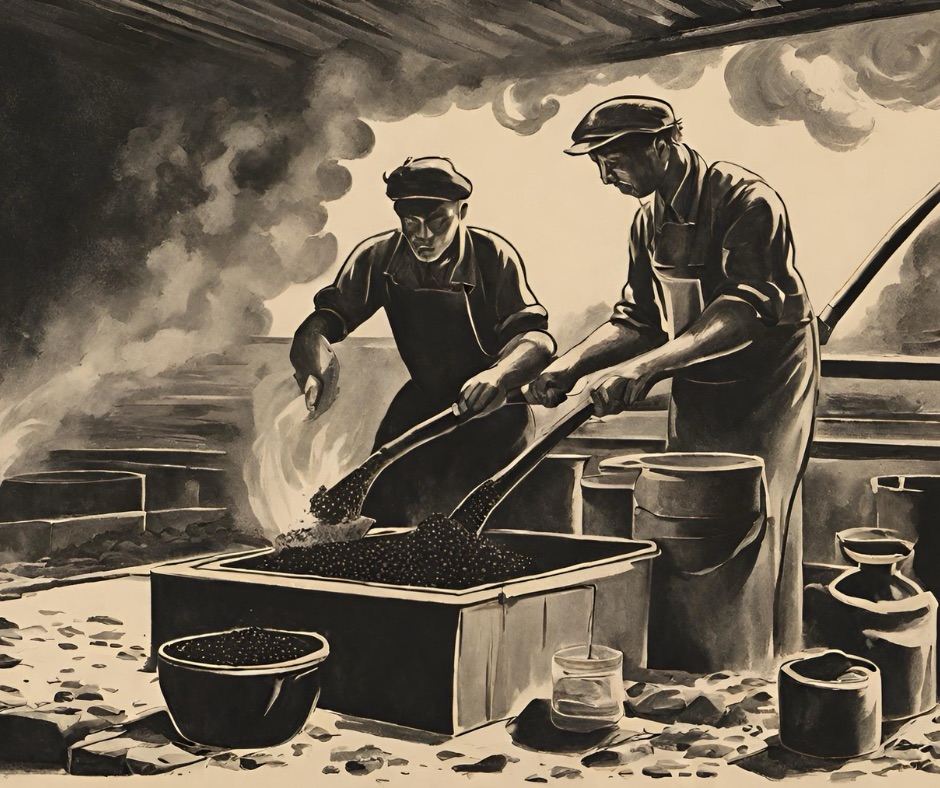
Sharma, Hakeem, et al (2024) Parametric influence of process conditions on thermochemical techniques for biocharBiochar is a carbon-rich material created from biomass decomposition in low-oxygen conditions. It has important applications in environmental remediation, soil improvement, agriculture, carbon sequestration, energy storage, and sustainable materials, promoting efficiency and reducing waste in various contexts while addressing climate change challenges. More production: A state-of-the-art review. Journal of the Energy Institute. https://doi.org/10.1016/j.joei.2024.101559
With the global population surge leading to a concerning increase in solid waste, the need for sustainable waste management solutions has become more pressing. This blog post delves into the world of biochar production, a promising avenue where waste biomassBiomass is a complex biological organic or non-organic solid product derived from living or recently living organism and available naturally. Various types of wastes such as animal manure, waste paper, sludge and many industrial wastes are also treated as biomass because like natural biomass these More is transformed into a valuable resource using thermochemical decomposition methods. Notably, the focus lies on three prominent techniques: pyrolysisPyrolysis is a thermochemical process that converts waste biomass into bio-char, bio-oil, and pyro-gas. It offers significant advantages in waste valorization, turning low-value materials into economically valuable resources. Its versatility allows for tailored products based on operational conditions, presenting itself as a cost-effective and efficient More, torrefaction, and hydrothermal carbonization.
The article starts by defining biochar as the solid residue resulting from the controlled breakdown of waste biomass under oxygen-limited conditions. It explores the various thermochemical methods, such as pyrolysis, torrefaction, and hydrothermal carbonization, highlighting how process parameters like temperature and feedstockFeedstock refers to the raw organic material used to produce biochar. This can include a wide range of materials, such as wood chips, agricultural residues, and animal manure. More types influence biochar yield and properties.
The review conducts a meticulous comparison of the different production techniques, emphasizing the pivotal role of operating temperature in shaping biochar characteristics. Slow pyrolysis emerges as the most optimized technique, offering a typical yield of 25–50 wt%, carbon content of 30–70 wt%, and calorific value of 10–30 MJ/kg at 450 °C from lignocellulosic biomass.
Addressing the broad applications of biochar, the post underscores its role in areas like adsorption, catalysis, bioenergy, soil improvement, and more. The importance of selecting the right technology and optimizing operating conditions to enhance product quality and yield is highlighted. The article concludes by identifying a gap in the existing literature – a lack of comprehensive technological comparisons across different biochar production methods.
In the quest for sustainable waste management and value-added products, biochar production stands out as a promising solution. This review provides high school students with insights into the thermochemical methods involved, the influential factors shaping biochar properties, and the comparative analysis of production techniques. As the world seeks greener alternatives, understanding biochar production becomes crucial for informed decision-making in waste-to-resource conversion.




Leave a Reply