
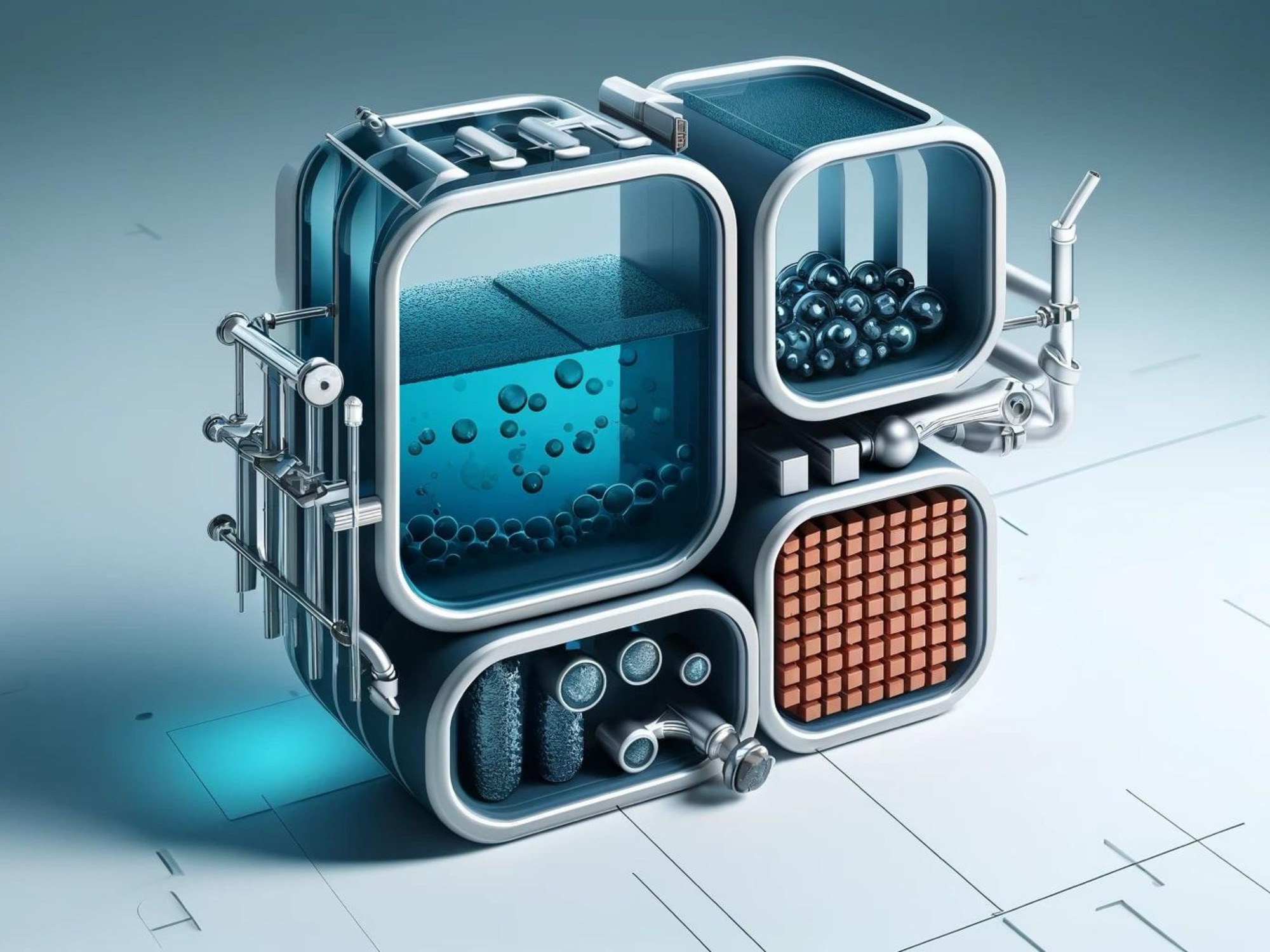

The Bioelectro-Fenton (BEF) process presents an innovative approach to wastewater treatment, utilizing microbial fuel cells to generate electricity that drives the electro-Fenton (EF) process for effective pollutant removal. This study focuses on optimizing the cathodic catalyst composition to enhance hydrogen peroxide production, thereby increasing the efficiency of isopropanol removal from wastewater.
Isopropanol, commonly used in various industrial applications, poses environmental risks due to its volatile nature and toxicity. Traditional removal techniques often fall short in efficiency and sustainability. The BEF process addresses these issues by employing microorganisms to degrade organic matter at the anode, generating electrons that are then transferred to the cathode. Here, the Fenton reaction occurs, producing hydroxyl radicals (OH•) from hydrogen peroxide (H2O2) which are highly effective in breaking down pollutants.
A significant advancement in this research is the optimization of the cathode catalyst made from nano zero-valent iron-containing biocharBiochar is a carbon-rich material created from biomass decomposition in low-oxygen conditions. It has important applications in environmental remediation, soil improvement, agriculture, carbon sequestration, energy storage, and sustainable materials, promoting efficiency and reducing waste in various contexts while addressing climate change challenges. More and conductive carbon black (nZVI-biochar/CCB), coated with chitosan. This composition was fine-tuned using response surface methodology to maximize H2O2 production and reduce internal system resistance. The optimized catalyst showed a remarkable improvement in system performance, evidenced by a 2.6-fold increase in power density and a complete removal of 400 mg/L isopropanol within 24 hours, without producing harmful biotoxic effects.
This optimized BEF system not only offers a robust solution for treating isopropanol-laden wastewater but also exemplifies a sustainable and efficient approach to managing industrial waste, highlighting the potential for broader applications in environmental remediation. The study underscores the importance of catalyst optimization in enhancing the electrochemical processes fundamental to the Bioelectro-Fenton system.




Leave a Reply