
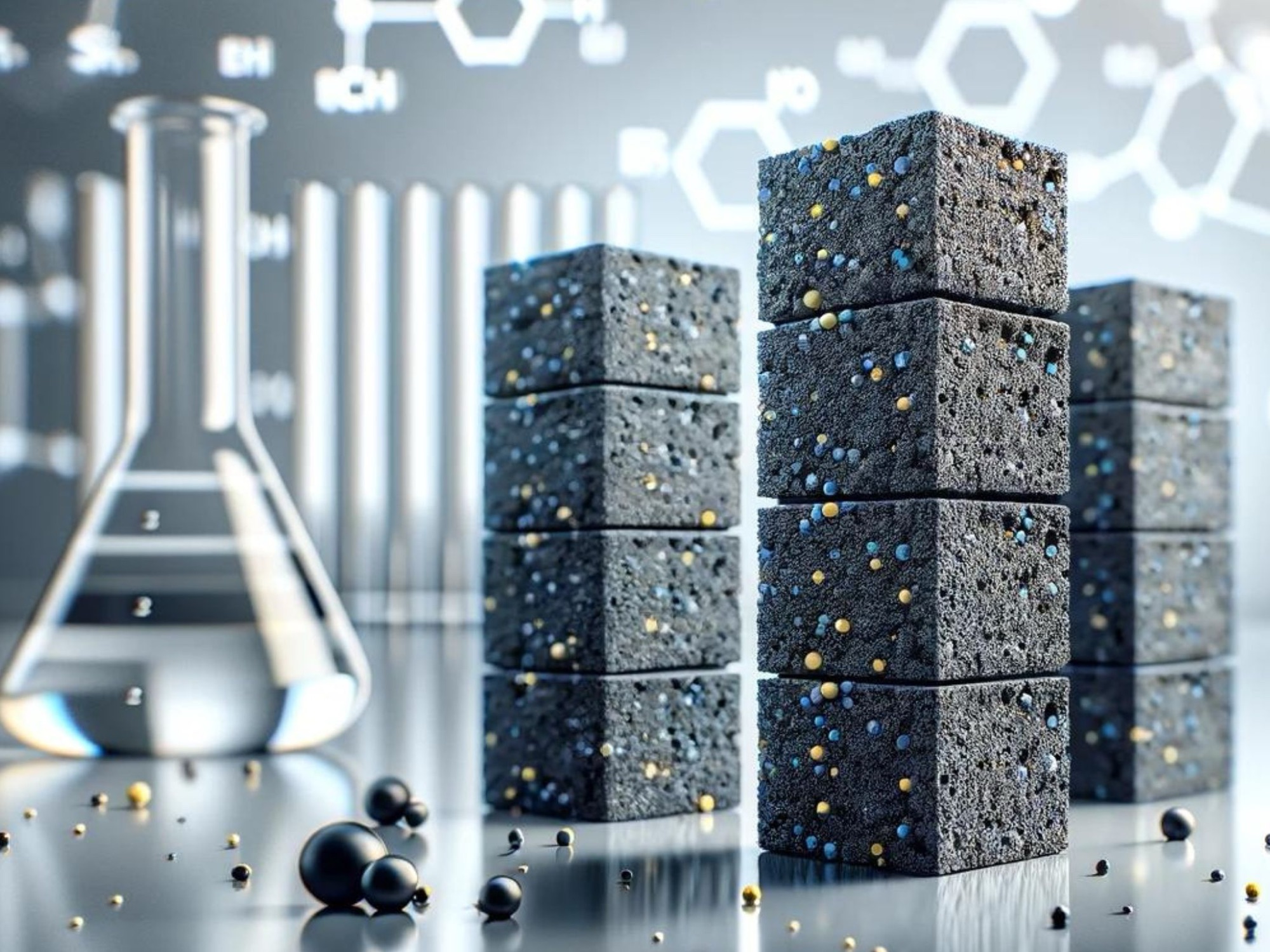

In recent research, sustainable practices were utilized to develop sulfur (S) and nitrogen (N) co-doped nanosheet layers of porous biochar electrode materials derived from peanut shells. This method significantly enhances the electrodes’ performance in supercapacitors, a desirable technology for energy storage in the face of increasing renewable energy integration.
The innovative approach involved carbonizing peanut shells, then activating and doping the resultant biochar ex-situ with melamine and thiourea to introduce sulfur and nitrogen. This process not only refines the material’s microstructural properties but also boosts its electrochemical performance. The S and N co-doped biochar showed an impressive specific capacitance of 224 F/g at a current density of 1 A/g, which is superior to the 200 F/g and 178.94 F/g achieved by N-doped and undoped biochar, respectively.
Moreover, the assembled supercapacitor using the S and N co-doped biochar electrodes demonstrated high energy and power densities, reaching 11.15 Wh/Kg and 500 W/Kg, respectively. These metrics are indicative of the material’s efficiency and durability, which are critical in supercapacitor applications.
The dual doping of biochar not only enriched the active sites but also optimized the pore arrangement, facilitating better ion transport of the electrolyte and efficient charge transfer at the electrode surface. Such enhancements are crucial for maximizing the capacitive performance of supercapacitors.
This study’s findings underscore the potential of using biomass-derived carbon materials, specifically peanut shell biochar, in advanced energy storage systems. The successful integration of heteroatom doping, particularly with sulfur and nitrogen, provides a pathway to synthesize high-performance electrode materials that could replace conventional capacitors, offering quicker charge and discharge times, higher power density, and longer life cycles.
This research contributes to the ongoing efforts to improve the electrode materials for supercapacitors and highlights the importance of targeted innovations in material science to enhance energy storage technologies, which are vital for achieving a sustainable and efficient energy future.






Leave a Reply