
Sun, et al (2024) BiocharBiochar is a carbon-rich material created from biomass decomposition in low-oxygen conditions. It has important applications in environmental remediation, soil improvement, agriculture, carbon sequestration, energy storage, and sustainable materials, promoting efficiency and reducing waste in various contexts while addressing climate change challenges. More effects on soil nitrogen retention, leachingLeaching is the process where nutrients are dissolved and carried away from the soil by water. This can lead to nutrient depletion and environmental pollution. Biochar can help reduce leaching by improving nutrient retention in the soil. More and yield of perennial citron daylily under three irrigation regimes. Agricultural Water Management. https://doi.org/10.1016/j.agwat.2024.108788
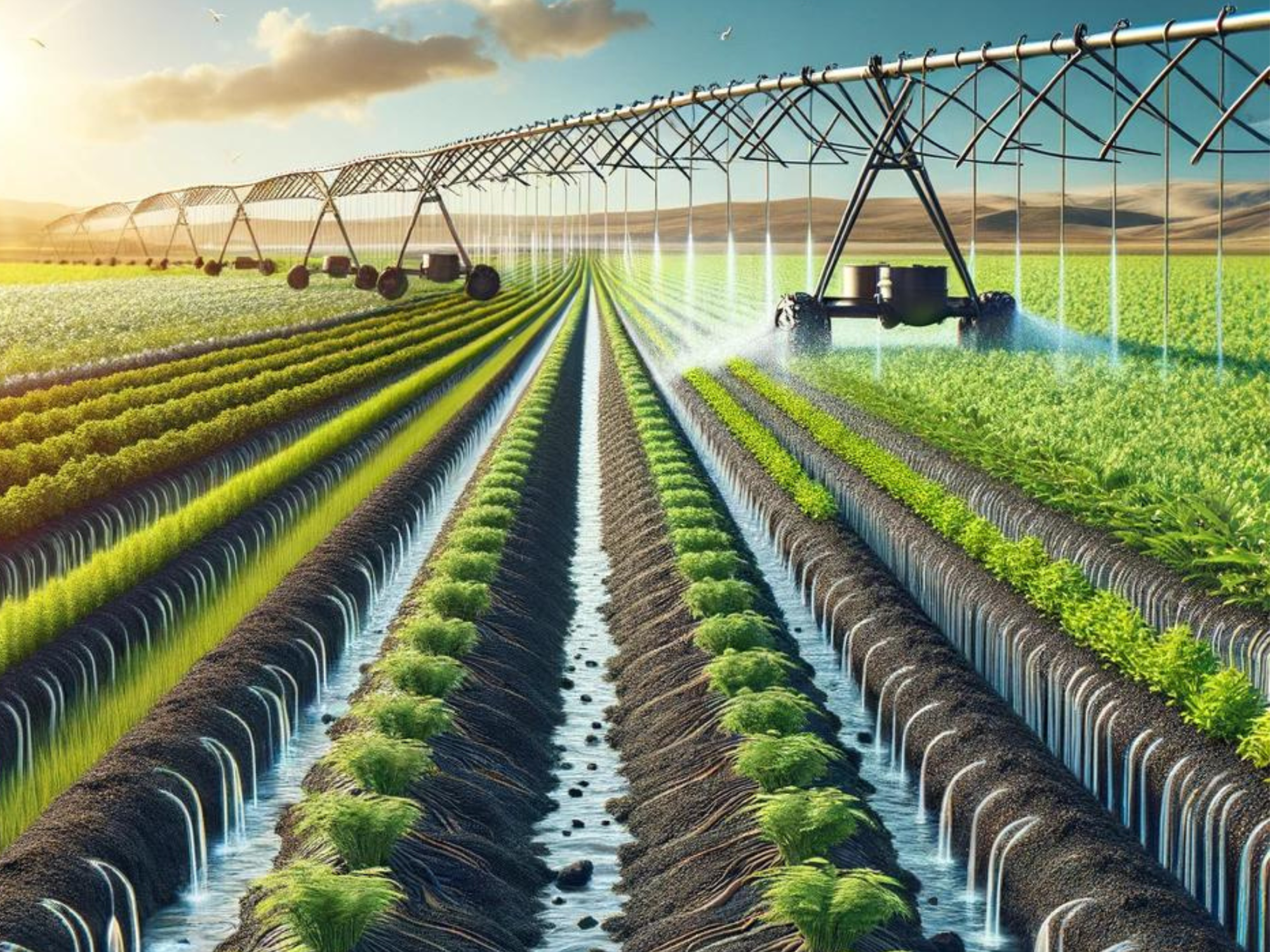
Perennial vegetables, such as the citron daylily, play a crucial role in agricultural sustainability and food security. A recent two-year field trial highlights the importance of innovative soil and water management practices to enhance soil nitrogen (N) retention, reduce N leaching, and maintain crop yields. The study, focusing on citron daylily cultivation in sandy brown alluvial soil, compared the effects of biochar application at two rates (0 and 30 t ha−1) and three irrigation regimes (conventional drip irrigation, water-saving drip irrigation, and alternate partial root-zone drip irrigation) on soil N status and crop yield.
Initial findings indicated that alternate partial root-zone drip irrigation significantly improved flower bud yield by enhancing nitrate use efficiency. However, biochar application, while reducing yield under this irrigation regime in the first year, played a pivotal role in mitigating soil N decline across both years. The combination of biochar and alternate partial root-zone drip irrigation emerged as a promising strategy to retain soil N and decrease the risk of N leaching without compromising crop yield over two consecutive planting seasons.
This innovative approach addresses the challenge of sustaining crop benefits while minimizing environmental impacts associated with N leaching. Biochar’s ability to increase organic N retention capacity and the targeted irrigation’s efficiency underscore the potential for more sustainable N management in long-term perennial crop cultivation. The study advocates for the adoption of these practices in perennial vegetable fields to achieve a balance between high crop yields and environmental stewardship.




Leave a Reply